Gold Pricein Nepal Today
Loading...
Gold and Silver Prices in Nepal provide the latest daily rates and market trends for both metals. Staying updated with current gold and silver prices helps buyers and investors track fluctuations, compare rates, and make informed purchase and investment decisions.
Gold has always been a valuable asset in both global and Nepali financial markets. It is not just a precious metal but also a reliable store of value, a hedge against economic uncertainty, and a strategic investment during volatile times. View today’s gold price in Nepal.
Gold prices are influenced by economic trends, currency fluctuations, geopolitical events, and supply dynamics. Understanding these factors helps investors make informed decisions for long-term wealth preservation and portfolio diversification. Explore gold price charts and trends.
Gold has symbolized wealth and prosperity in Nepal since ancient times. It is not only used for jewelry and decoration but also remains one of the safest investment options. In Nepali culture, gold is essential for weddings, Tihar, and other festivals.
Gold purity is measured in 24 carats, with 99.9% pure gold. In Nepal, gold prices are determined by weight and updated daily by the Nepal Gold and Silver Dealers Association. Track gold price movements visually.
These options allow buyers to choose gold based on budget and purpose. Learn more about gold purity in Nepal.
Always choose a reliable gold shop before making a purchase. Buying from certified stores ensures authenticity and fair pricing. Read the complete guide on buying gold in Nepal.
Making charges (Banai) significantly affect the final jewelry price and vary by design and craftsmanship. Understand gold making charges in Nepal.
Gold acts as a hedge against inflation and provides strong long-term returns. Review long-term gold investment performance.
Silver has long been a valuable asset, combining affordability with industrial uses and investment potential. It serves as a store of value, a hedge against economic uncertainty, and a versatile investment for both small and large investors.
Silver prices are influenced by industrial demand, economic trends, market sentiment, and supply structures. Monitoring these factors helps investors make informed decisions for portfolio diversification, risk management, or long-term wealth preservation.
Silver has been a symbol of daily life, religious rituals, and prosperity in Nepal since ancient times. It is widely used in jewelry, utensils, medicinal applications, and decoration. In Nepali culture, festivals such as Teej, Dashain, and other ceremonies highlight the importance of silver in family unity and good wishes.
Silver purity is measured in 999 fineness, which corresponds to 99.9% pure silver. In Nepal, silver prices are based on weight and updated daily by the Nepal Gold and Silver Dealers Association. While linked to international markets, local demand, festivals, and industrial usage also affect prices. Silver’s lower price compared to gold makes it an attractive investment option for the middle class.
These types allow families to select silver according to budget, culture, and needs.
Always choose a reliable and certified shop. Request bills and hallmarks for every purchase.
Consumer tip: Silver prices rise during festivals like Teej and Dashain, so plan purchases in advance. Regular small investments protect against inflation.
Silver is an affordable and effective hedge against inflation in Nepal. Over the past five years, silver prices have increased by over 40%.
Local advice: Saving 10–20 grams of silver monthly via a Systematic Investment Plan (SIP) can generate long-term benefits. Cooperative societies in rural areas are also a good source.
Use a soft cloth, citrus water, or baking soda for cleaning. Avoid harsh chemicals or brushes.
Nepal’s humid and dusty climate can tarnish silver quickly, making monthly cleaning necessary. Proper care preserves its shine, value, and usability. Selling old silver after cleaning can fetch better prices.
Silver in Nepal is also valued for medicinal properties. In Ayurveda, silver water can improve digestion and boost immunity. Silver utensils are also used in religious rituals.
Tips for Nepali families: Giving a silver coin as a gift for a child’s naming ceremony is considered auspicious. For investment, start with 50 grams, which can double in value over ten years.
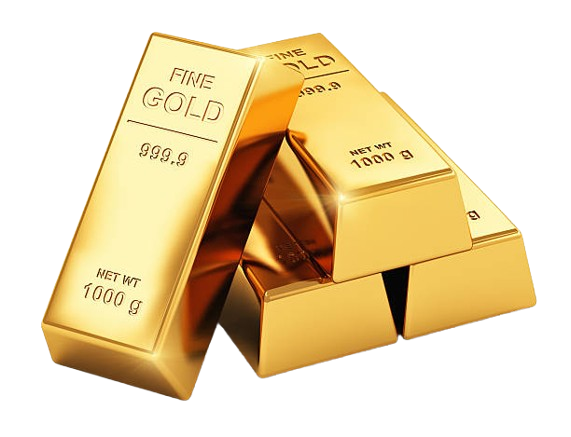
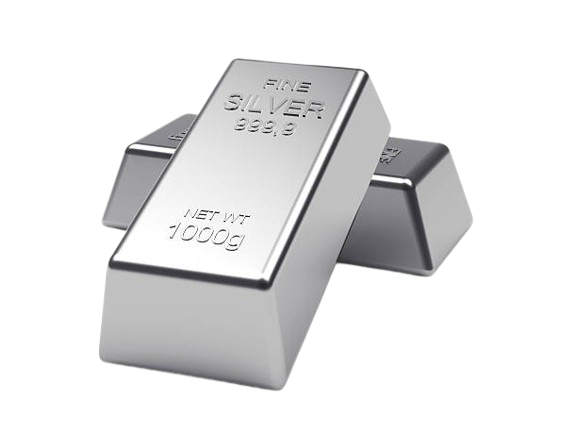
| Unit | Equivalent Grams | Equivalent Tola | Equivalent Gold Price Today | Equivalent Silver Price Today |
|---|---|---|---|---|
| 1 Tola | 11.6638 Grams | 1 Tola | NPR 3,28,600 | NPR 5,815 |
| 10 Grams | 10 Grams | 0.8573 Tola | NPR 2,81,708.78 | NPR 4,985.20 |
| 1 Ana | 0.7289 Grams | 0.0625 Tola | NPR 20,537.50 | NPR 363.44 |
| 1 Lal | 0.1166 Grams | 0.01 Tola | NPR 3,286 | NPR 58.15 |
| Date | Hallmark Gold (NRs.) | Silver (NRs.) |
|---|---|---|
3 Mar, 202619 Falgun, 2082 | 3,28,600 2,500 | 5,815 205 |
2 Mar, 202618 Falgun, 2082 | 3,26,100 5,600 | 6,020 35 |
1 Mar, 202617 Falgun, 2082 | 3,20,500 5,600 | 5,985 245 |
27 Feb, 202615 Falgun, 2082 | 3,14,900 500 | 5,740 15 |
26 Feb, 202614 Falgun, 2082 | 3,15,400 600 | 5,725 10 |
25 Feb, 202613 Falgun, 2082 | 3,14,800 0 | 5,715 130 |
24 Feb, 202612 Falgun, 2082 | 3,14,800 1,300 | 5,585 10 |
23 Feb, 202611 Falgun, 2082 | 3,13,500 3,200 | 5,595 170 |
22 Feb, 202610 Falgun, 2082 | 3,10,300 5,600 | 5,425 365 |
20 Feb, 20268 Falgun, 2082 | 3,04,700 4,300 | 5,060 180 |