
Gold Pricein Nepal Today
Loading...
Gold making charges are one of the most confusing aspects of buying gold jewelry in Nepal, especially for first-time buyers. Many customers focus only on the daily gold rate and ignore making charges, which can significantly increase the final price. In reality, making charges can add 10% to 30% or more to the total cost, depending on design complexity and craftsmanship.
Unlike gold prices, making charges are not fixed by the government. Different jewelers apply different rates based on whether the jewelry is handmade or machine-made, the level of detailing, and brand reputation. Without understanding these factors, buyers often overpay unknowingly.
Transparency is key when purchasing gold jewelry in Nepal. Buyers should always ask whether making charges are calculated as a percentage of gold value or as a fixed rate per gram, as this can significantly impact the final cost.
Comparing making charges across multiple jewelers and requesting a detailed bill helps avoid hidden costs. Trusted jewelers are usually open about their pricing structure and willing to explain the Banai clearly.
In 2025, with gold prices remaining high in Nepal, understanding making charges is more important than ever. Knowing how these charges are calculated and how to negotiate them helps ensure fair pricing. This guide breaks down gold making charges in Nepal so you can buy gold confidently and get true value for your money.
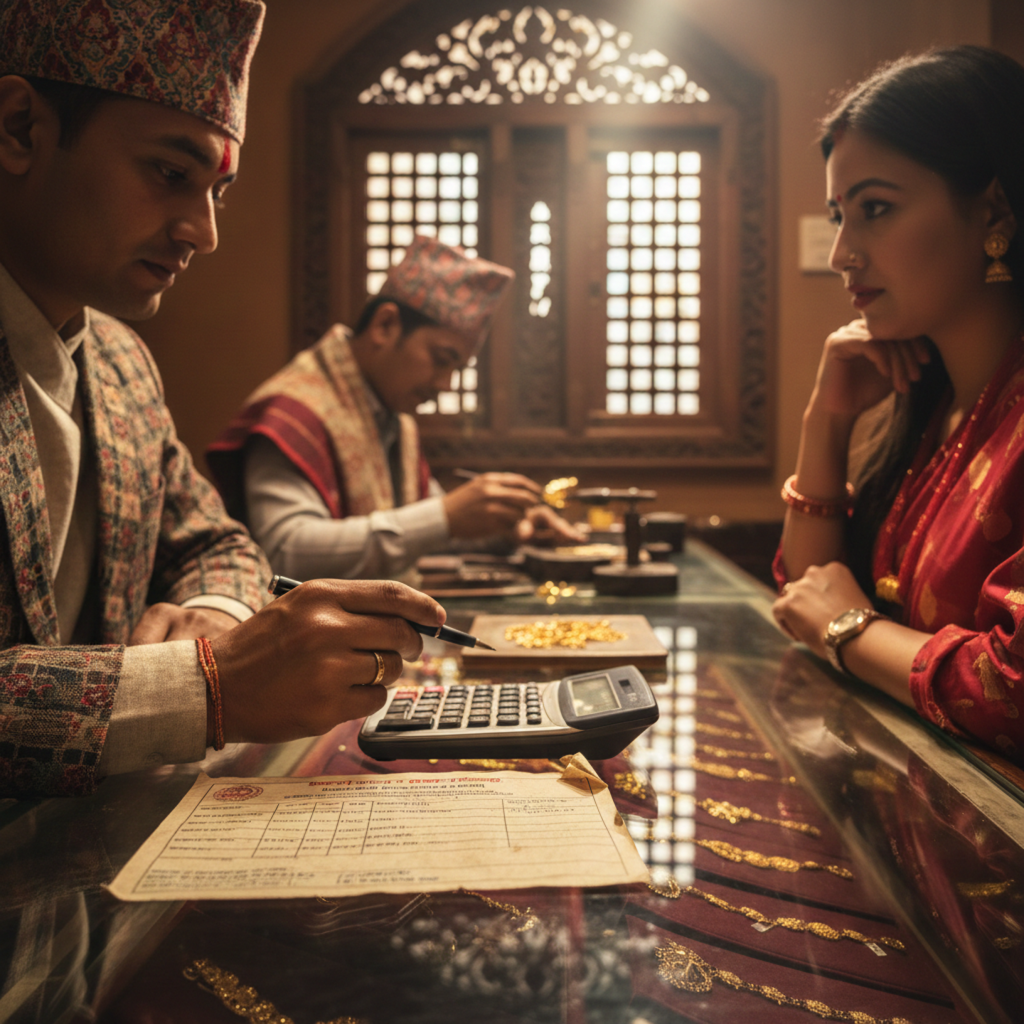
Making charges, commonly known as Banai in Nepal, refer to the cost of labor and craftsmanship involved in converting raw gold into finished jewelry. These charges are applied for the skilled work required to design, shape, polish, and finalize gold ornaments such as rings, necklaces, bangles, and earrings.
It is important to understand that making charges are separate from the actual gold price. While the gold rate is determined daily based on international markets and published officially in Nepal, making charges are set by individual jewelers. This means two shops can sell jewelry of the same weight and purity at different prices due to varying making charges.
Making charges typically cover multiple elements, including jewelry design, artisan labor, molding or handcrafting, polishing, stone setting, and final finishing. Intricate handmade designs usually attract higher making charges compared to simple or machine-made jewelry because they require more time, expertise, and precision.
These charges also represent the jeweler’s profit margin, which is why they are not standardized like the gold rate. Since there is no fixed rule or government regulation for making charges in Nepal, buyers must ask clearly about Banai before purchasing. Understanding making charges helps you compare prices, negotiate better, and ensure fair pricing.
When buying gold jewelry in Nepal, many buyers assume the price is based only on the daily gold rate. In reality, the final amount you pay is a combination of the gold rate and the making charges. Understanding the difference between these two components helps you avoid overpaying.
The gold rate represents the actual market value of gold metal and is updated daily based on international prices and local market conditions. In 2025, the average 22K gold rate in Nepal is around NPR 215,670 per 10 grams. This rate is generally uniform across the country and applies to all buyers.
Making charges, however, are completely different. These are the costs charged by jewelers for labor, craftsmanship, design work, polishing, and finishing. Unlike the gold rate, making charges are not regulated and vary depending on the jeweler, jewelry design, and whether the item is handmade or machine-made.
Example: 22K Gold Chain (20 grams)
Gold rate: NPR 215,670 per 10g
Gold cost: 20g × (215,670 / 10) = NPR 431,340

Making charges: 12% = NPR 51,761
GST (13%) on making = NPR 6,729

Total price = NPR 489,830

Price Breakdown:
• Gold value: NPR 431,340 (88%)
• Making charges: NPR 51,761 (10.6%)
• GST on making: NPR 6,729 (1.4%)
This breakdown clearly shows that while the gold rate forms the largest portion of the price, making charges and GST can add a noticeable extra cost. Knowing this difference allows buyers in Nepal to compare offers, negotiate better making charges, and ensure they are paying a fair price for gold jewelry.
Making charges in Nepal vary widely depending on the type of jewelry, level of craftsmanship, and design complexity. Simple, machine-made jewelry generally attracts lower making charges, while handcrafted and traditional designs involve higher labor costs. When buying gold jewelry in Nepal, always compare making charges across different jewelers to ensure fair pricing.
| Jewelry Type | Typical Range | Common Rate | Why This Range |
|---|---|---|---|
| Simple Chain | 8–12% | 10% | Minimal workmanship |
| Fancy Chain | 12–18% | 15% | Complex links and patterns |
| Plain Ring | 10–15% | 12% | Simple circular design |
| Stone-Set Ring | 18–25% | 20% | Stone setting & finishing |
| Simple Bangles | 10–15% | 12% | Standard molds |
| Carved Bangles | 15–22% | 18% | Intricate hand carving |
| Plain Earrings | 12–16% | 14% | Small but detailed |
| Jhumka Earrings | 18–25% | 20% | Complex traditional design |
| Necklace (Simple) | 15–20% | 17% | Multiple components |
| Necklace (Bridal) | 20–30% | 25% | Heavy, intricate craftsmanship |
| Pendant | 12–18% | 15% | Design dependent |
| Tikka / Maang Tikka | 15–22% | 18% | Delicate handwork |
| Gold Coins | 2–5% | 3% | Minimal processing |
| Gold Bars | 1–3% | 2% | Almost no labor |
These percentages are industry averages across Nepal. Jewelers in cities like Kathmandu, Lalitpur, and Pokhara often charge higher making rates due to premium designs and higher operational costs, while local markets may offer slightly lower charges for simple jewelry.
Traditional and bridal jewelry typically falls at the higher end of the range because of intricate craftsmanship and manual labor. Knowing these average making charges allows buyers to identify fair pricing and negotiate confidently when purchasing gold jewelry in Nepal.
Making charges on gold jewelry in Nepal are not fixed and can vary significantly from one purchase to another. Several factors influence how much a jeweler charges for labor and craftsmanship. Understanding these factors helps buyers evaluate whether the quoted making charge is reasonable and avoid unnecessary overpayment.
Design complexity is one of the biggest factors affecting making charges. Simple designs with smooth finishes and minimal detailing are often machine-made, which keeps labor costs low. In contrast, intricate patterns, hand-carved motifs, and traditional Nepali designsrequire skilled artisans and more time, leading to higher making charges.
For example, a plain gold ring may carry a making charge of around10–12%, while a handcrafted ring with detailed engravings or filigree work can go up to 18–25%. The more time and skill involved, the higher the Banai charged by the jeweler. Buyers should always compare designs and labor complexity before finalizing their purchase.
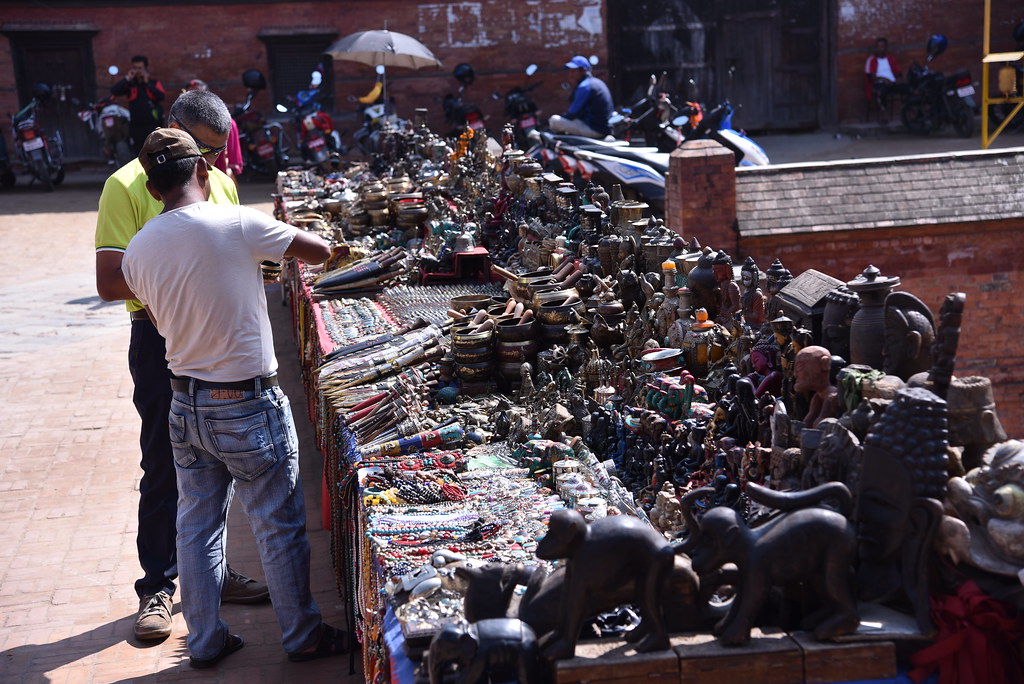

The type and weight of jewelry also influence making charges. Heavier items like thick chains or bangles often have a lower making charge percentage, but the absolute cost remains high because of the greater gold value involved. Lightweight and delicate items require precision work, resulting in a higher percentage making charge.
For instance, a 50-gram bangle may have a making charge of just 10%, while a delicate 5-gram earring could attract 18–20% due to the detailed work involved. Buyers should always look at both the percentage and the final amount when comparing prices.
Understanding this difference helps buyers in Nepal avoid confusion when shopping for gold jewelry. Evaluating both weight and craftsmanship ensures fair pricing and helps customers choose jewelry that matches their budget and purpose.
Established jewelry brands and well-known showrooms usually charge higher making fees compared to local jewelers. This premium reflects brand value, consistent quality, certified purity, better finishing, and after-sales support.
While local jewelers may offer lower making charges, branded chains provide assurance, standardized pricing, and better resale confidence. Paying a premium is often worth it for high-value purchases or bridal jewelry, where quality and trust matter most. Buyers should balance cost savings with long-term value and authenticity when making their decision.
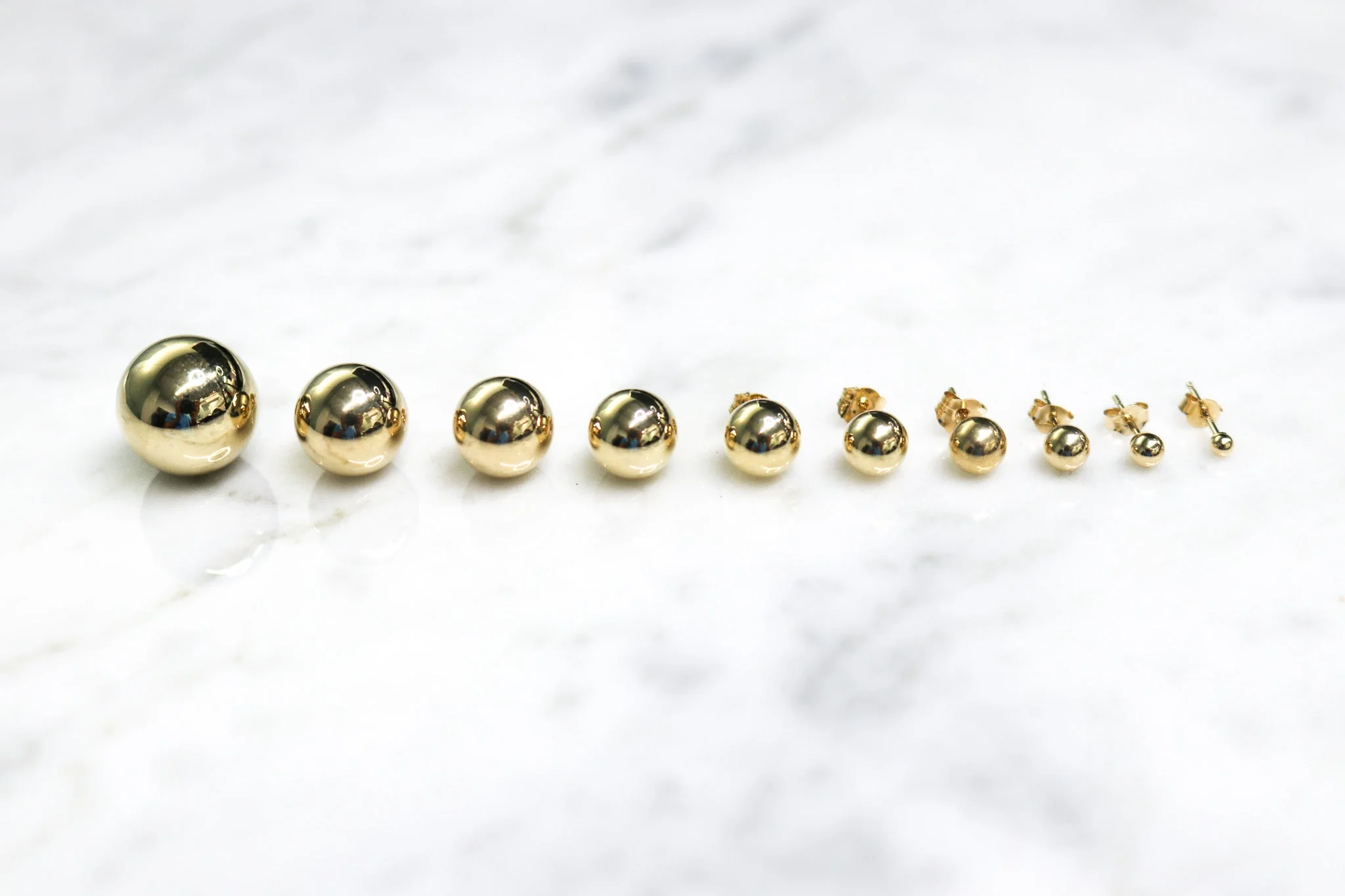
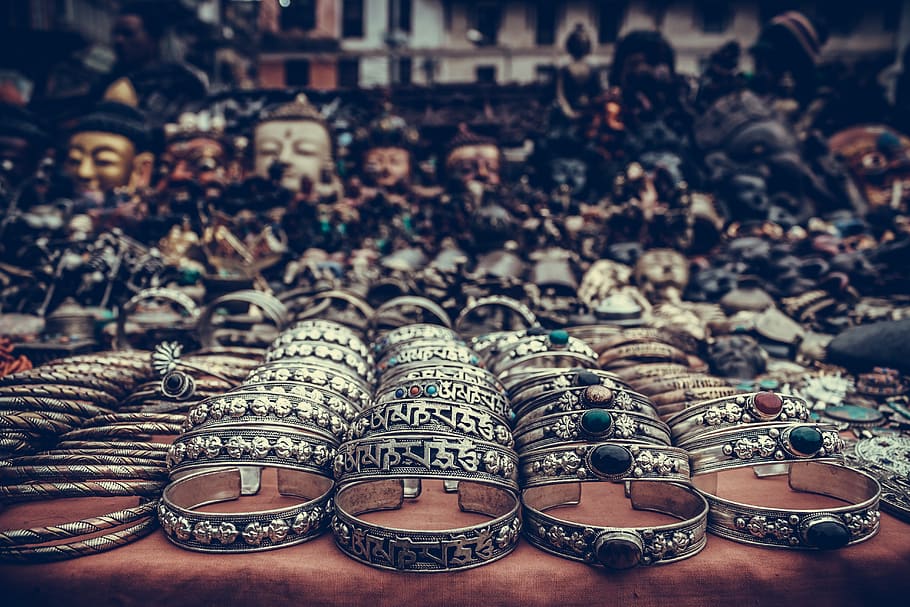
Location plays a major role in determining making charges. Jewelers in prime areas of Kathmandu, Lalitpur, and tourist hubs often charge higher rates due to higher rent, staff costs, and operational expenses. These additional costs are usually reflected in higher Banai, even for similar jewelry designs.
In contrast, local markets and smaller cities in Nepal often offer more competitive making charges, particularly for simple or traditional jewelry. Jewelers in these areas may have lower operational costs and cater to regular customers, which can help keepBanai affordable. Tourist-focused shops in major cities, however, tend to include higher margins due to premium locations and demand from visitors.
Customized jewelry almost always costs more than ready-made pieces. Creating a custom design involves design consultation, additional labor, trial fittings, and longer production time.
Even small modifications—such as resizing, changing patterns, or adding design elements—can increase making charges. Buyers should always ask for a clear cost breakdown before confirming custom orders. Customized work is more time-intensive than standard designs, and intricate alterations require skilled craftsmanship to maintain the quality, weight, and finish.To avoid unexpected costs, buyers in Nepal should finalize the design, weight, and making charge structure before production begins.
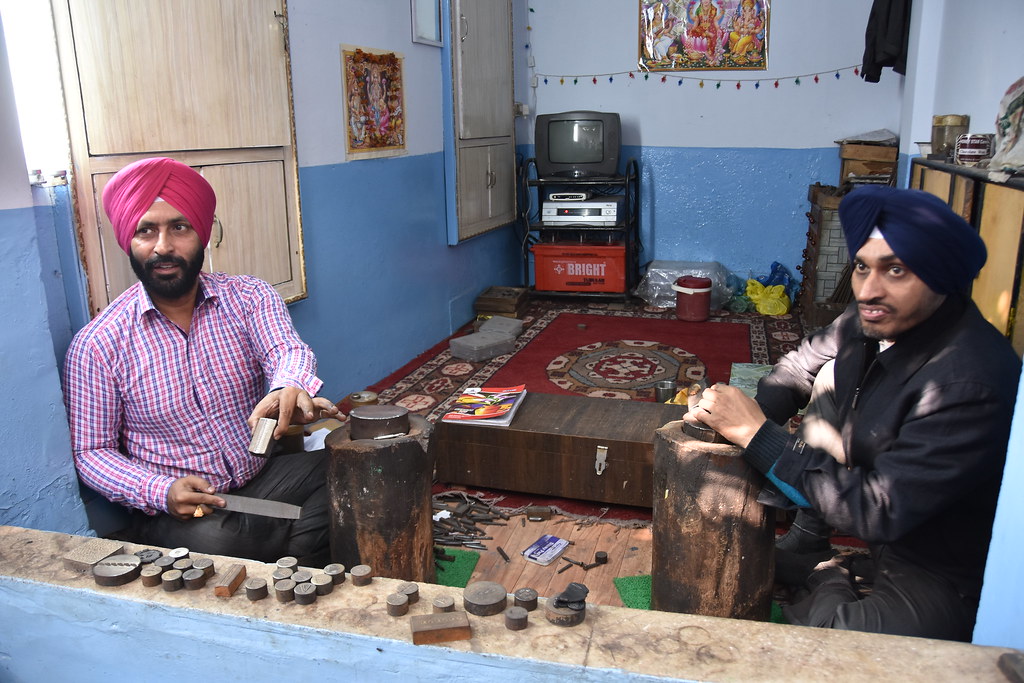
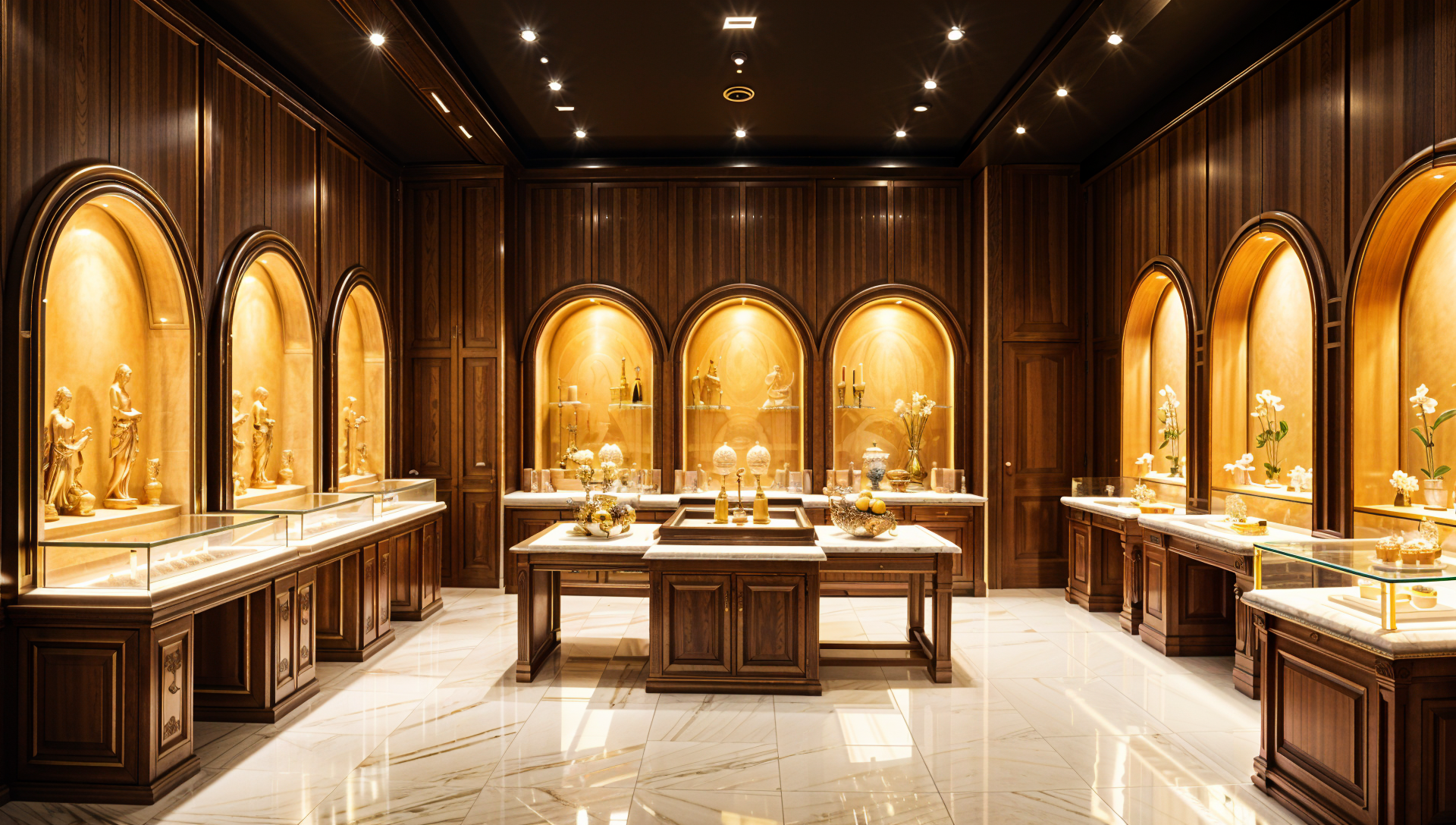
Jewelry with stones, gemstones, enamel work, or meenakari requires specialized skills. Stone setting itself adds to labor costs, especially when multiple stones or precise alignment is involved.
It’s important to note that gemstone value is usually charged separately from making charges. However, the labor involved in setting stones, enamel detailing, or hand-painted designs increases the overall Banai. Skilled jewelers carefully fix each stone to ensure security, symmetry, and a polished finish. Additional design elements like enamel work, engraving, or hand-painted patterns also contribute to the total Banai.
Market competition directly affects making charges. Areas with multiple jewelry shops competing for customers often offer lower or negotiable making charges. During off-season periods, jewelers may reduce Banaito attract buyers.
Festival and wedding seasons usually see higher demand, which can lead to increased making charges. Bulk purchases or repeat customers often have room for negotiation, helping buyers secure better deals. Planning purchases in advance and comparing rates across trusted jewelers can also help ensure fair pricing.
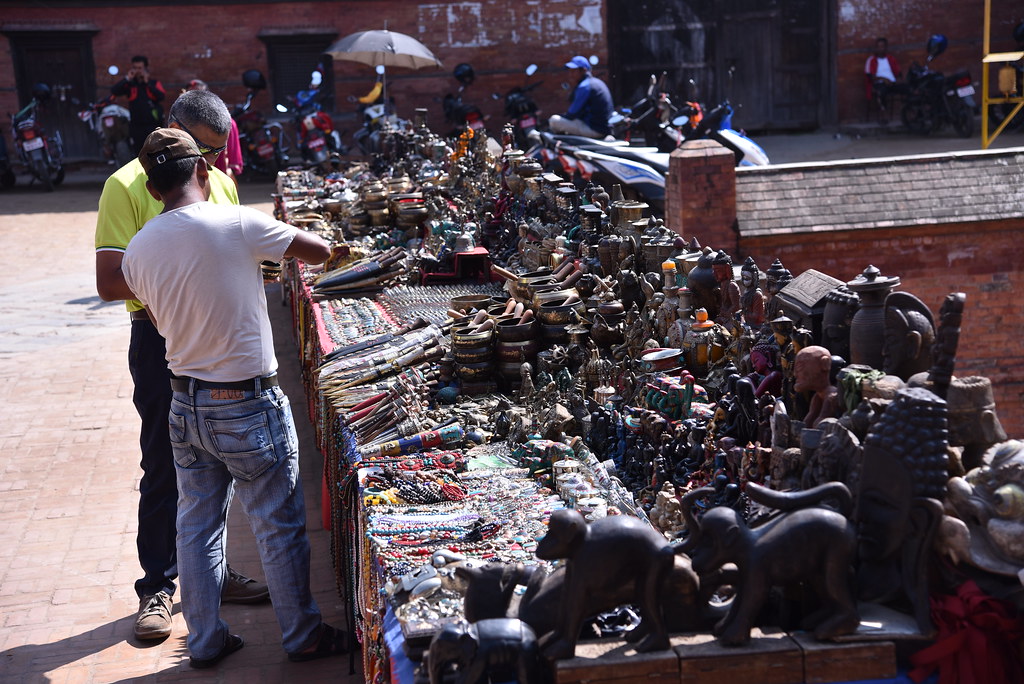
Jewelers in Nepal use different methods to calculate making charges (Banai) for gold jewelry. The most common approaches are percentage-based, per-gram flat rates, and per-piece pricing. Understanding these methods helps buyers compare costs effectively and make informed decisions. Use our gold and silver price calculator to estimate making charges for different jewelry types.
Percentage-based making charges are calculated as a percentage of the gold value. For example, if a gold necklace costs NPR 100,000 and the making charge is 15%, the Banai will be NPR 15,000. This method scales automatically with gold price changes, making it fair for both buyer and jeweler.
Advantages include transparency and proportionality to gold cost. However, during periods of high gold prices, the absolute making charge can become expensive. This method is most commonly used for handcrafted or complex designs.
In this method, the jeweler charges a fixed amount per gram of gold, regardless of the current gold price. For instance, a flat rate of NPR 500 per gram for a 20-gram chain would result in a making charge of NPR 10,000.
This approach is less common in Nepal and is typically used for simple, mass-produced items where labor is consistent. It has the advantage of predictability but does not scale with gold price fluctuations.
Some jewelers charge a fixed making fee per item. This is often applied to standard designs or mass-produced jewelry, such as plain rings or basic bangles. For example, a single ring may carry a flat Banai of NPR 1,200, regardless of its weight or gold value.
This method simplifies billing but is usually limited to simple, repeatable designs where labor cost is predictable.
| Item | Percentage-Based | Per-Gram Flat Rate | Per-Piece |
|---|---|---|---|
| Gold Chain, 20g, 22K | 15% × NPR 431,340 = NPR 64,701 | 20g × NPR 500 = NPR 10,000 | Fixed NPR 12,000 per chain |
Comparing these methods shows that percentage-based charges scale with gold value and are ideal for premium designs, while per-gram and per-piece rates provide predictability for standard or mass-produced jewelry. Buyers should always check which method is used and calculate the final price before purchase.
Making charges, or Banai, cover more than just the labor cost when you purchase gold jewelry in Nepal. They reflect the entire process of transforming raw gold into a finished piece, including design, craftsmanship, finishing, and jeweler's profit. Understanding what is included helps buyers assess whether the charges are reasonable.
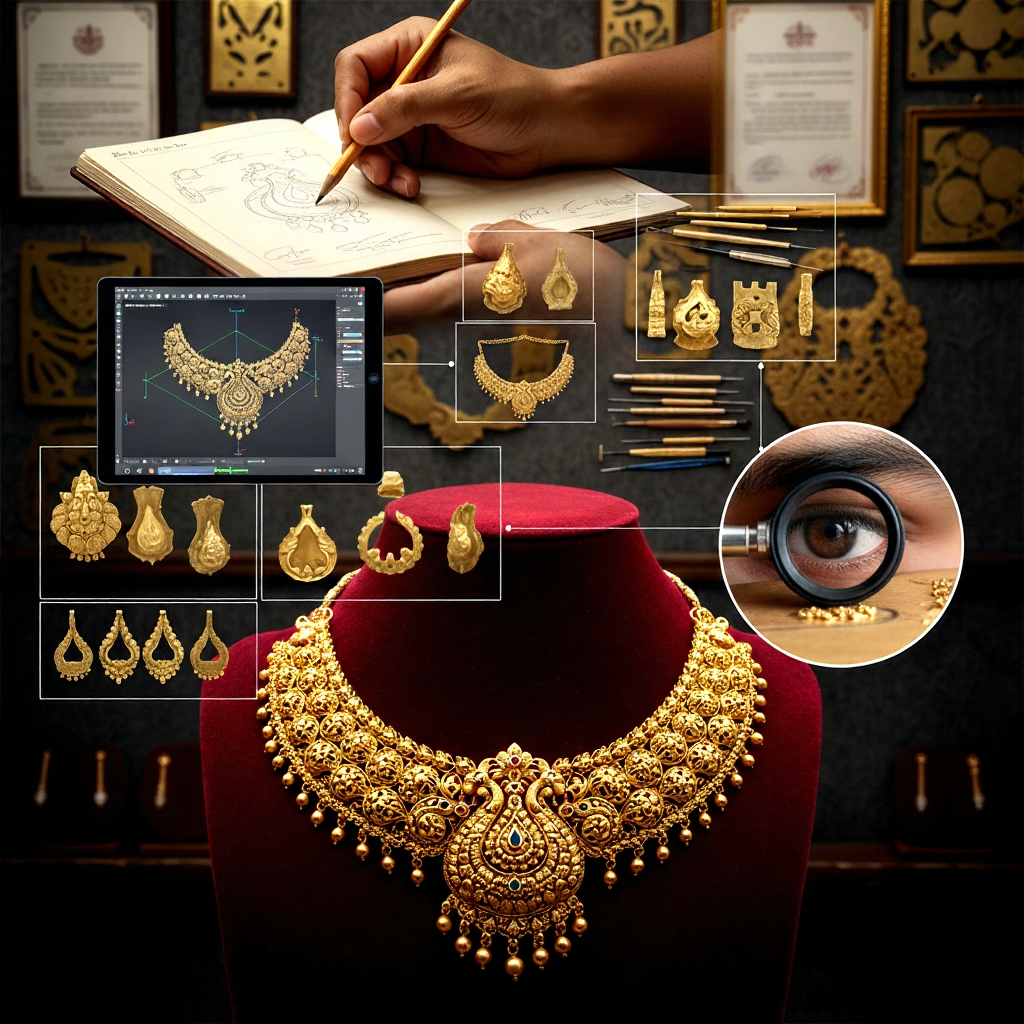
The first step involves creating the jewelry design or pattern. This may include hand sketches, CAD modeling, or custom designs for special orders. Intricate designs with detailed patterns require advanced craftsmanship, which naturally increases the making charges. Buyers should understand that complexity directly affects the final price of gold jewelry in Nepal.
Custom-made designs allow customers to personalize their jewelry, adding uniqueness and exclusivity. These designs often take longer to produce, which is reflected in the cost. Even minor adjustments in design, such as engraving or stone setting, can influence making charges. Skilled jewelers charge more for precision work to ensure durability and beauty.
For buyers seeking luxury or designer gold jewelry, understanding the design process helps in negotiating fair making charges. Being aware of these factors ensures you get value for your money without overpaying. Investing in high-quality design not only enhances the aesthetic appeal but also increases the resale value of gold jewelry in Nepal.
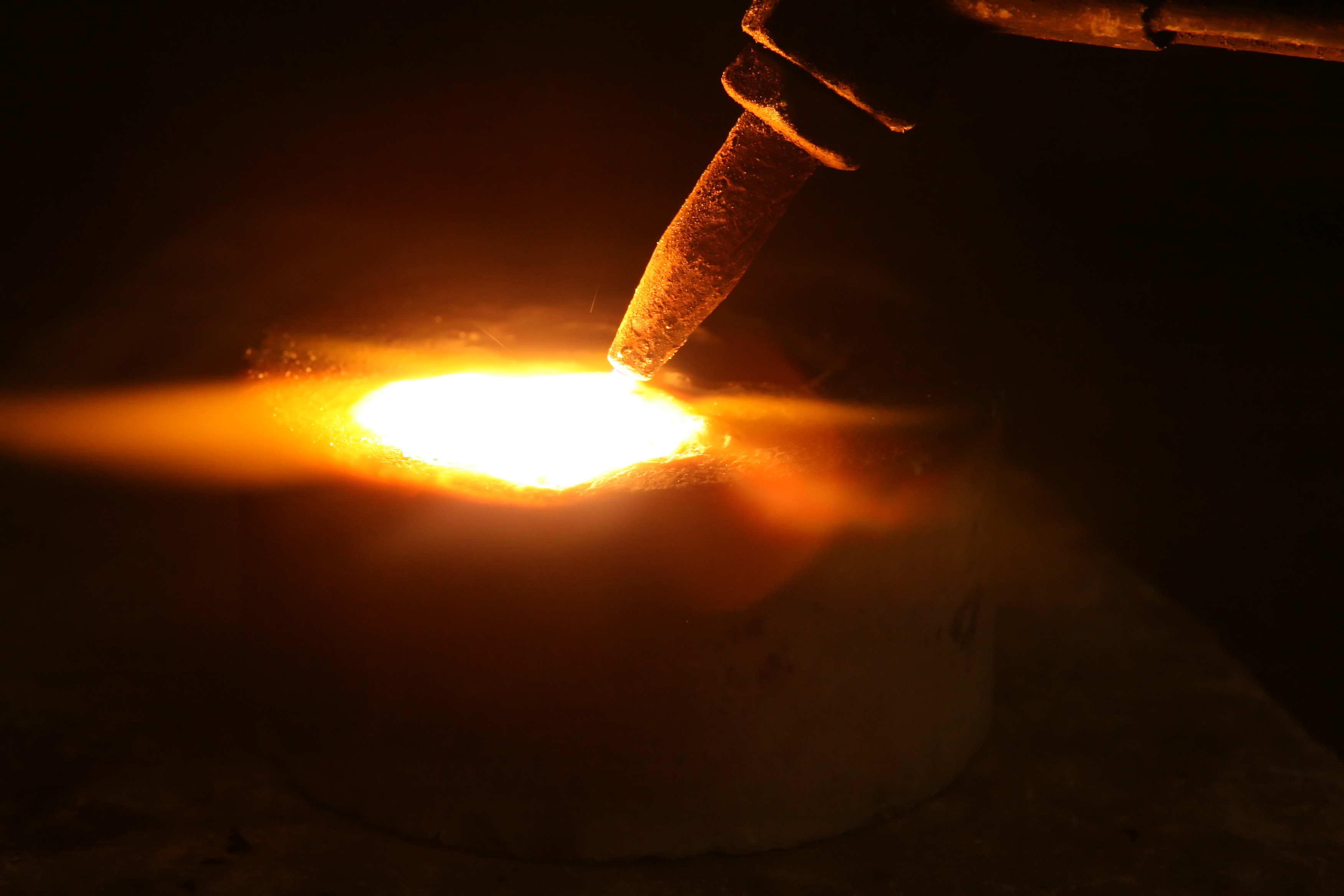
Raw gold is melted and carefully mixed with alloys such as copper, silver, or nickel to achieve the desired karat value. This process determines the karat value of the gold, which directly impacts the price of jewelry in Nepal. Precision is crucial at this stage to ensure the metal maintains uniform quality and strength. Any imbalance in the alloy composition can affect the durability and finish of the final product.
Skilled goldsmiths use specialized equipment to control temperature and melting time, ensuring that the gold does not lose its luster or softness. This meticulous handling adds to the making charges. The choice of alloys also influences color, texture, and overall appearance, allowing jewelers to create yellow, white, or rose gold varieties. Customers should be aware that premium alloys may slightly increase costs.
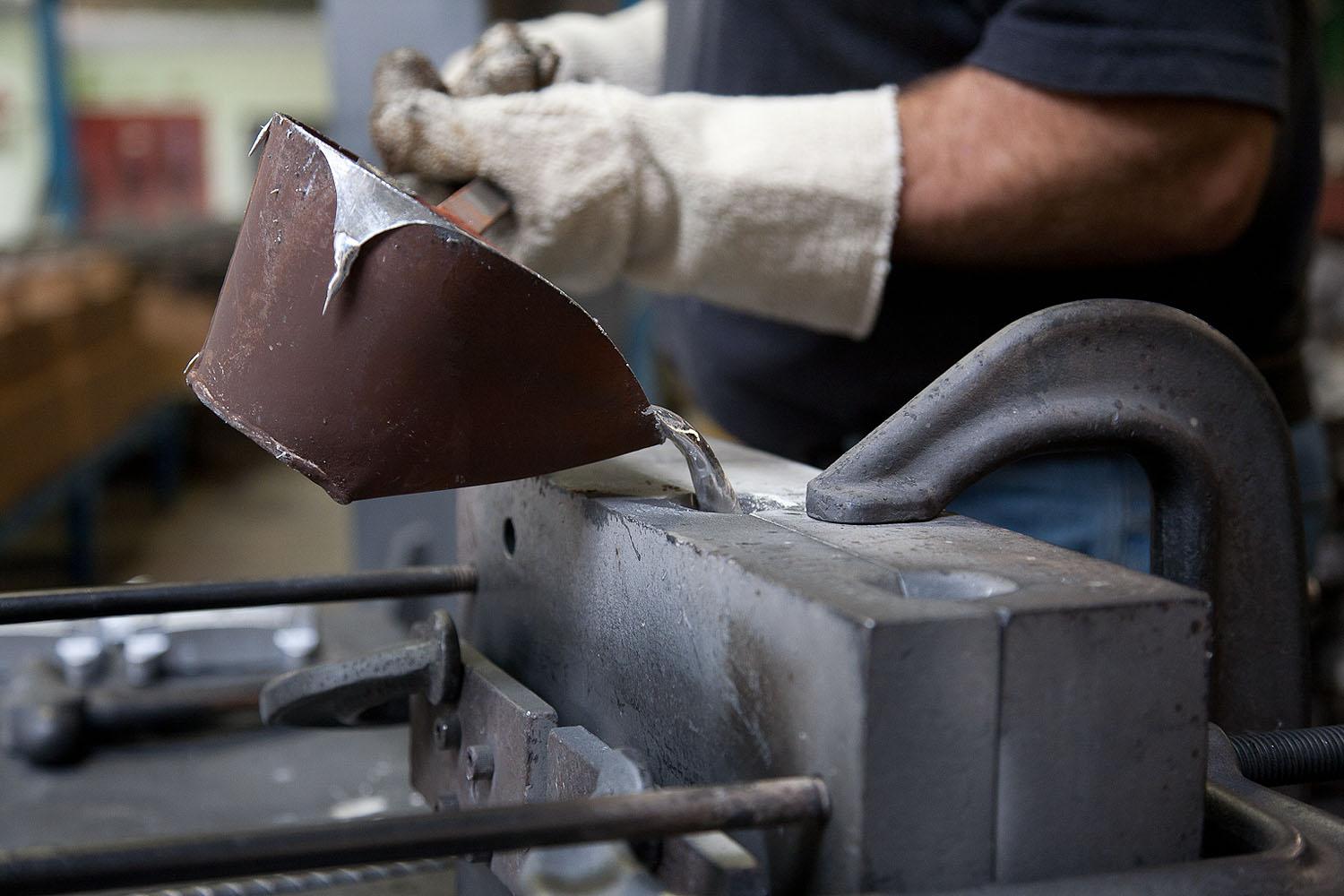
Gold is cast or carefully formed into the basic shape of the jewelry piece. This process creates the foundation for rings, necklaces, bracelets, and other ornaments, ensuring the piece starts with the correct dimensions. After casting, jewelers file and shape the gold to refine its form, removing any rough edges or excess material to give the jewelry a smooth and precise outline.
Accurate shaping is essential to maintain uniformity in weight and dimensions, which directly affects the gold making charges in Nepal. Buyers should understand that more intricate shapes require additional time and skill. This stage also prepares the jewelry for further assembly, such as joining separate components, setting stones, or adding decorative elements. Skilled craftsmanship here ensures the final product is both durable and visually appealing.
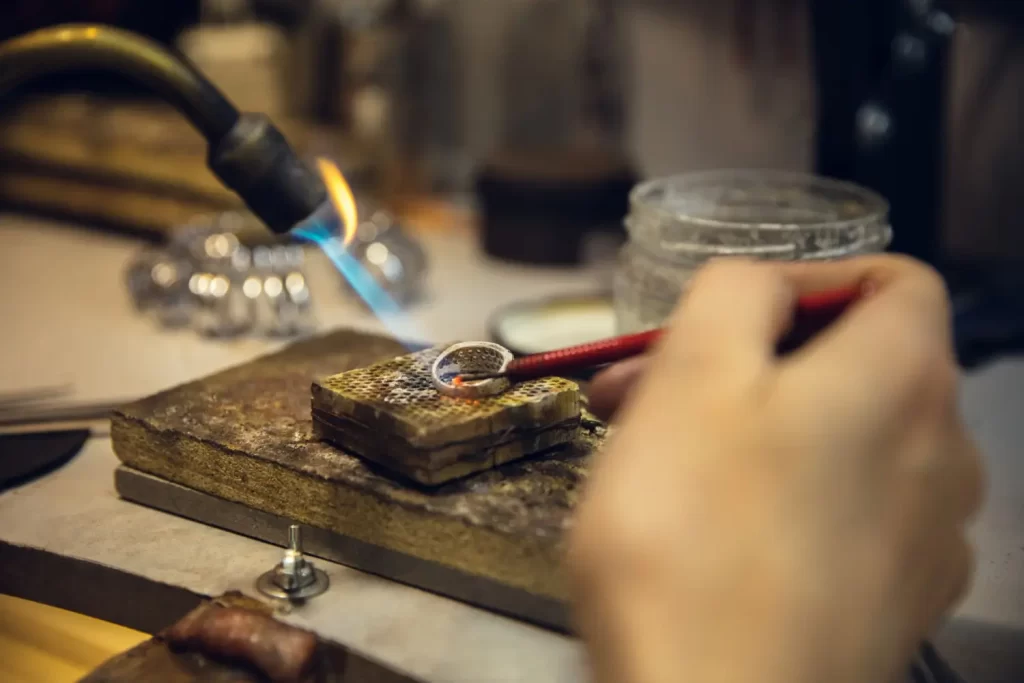
Components of the jewelry are carefully soldered or joined together. This assembly process requires precision to ensure that each part fits perfectly, maintaining the integrity and durability of the piece. After joining, jewelers move on to polishing and finishing, which removes any rough spots, scratches, or imperfections from the surface, giving the jewelry a smooth and flawless texture.
High-quality polishing enhances the natural shine of gold, making the piece visually appealing and ready to wear. The amount of labor and skill involved in achieving a perfect finish directly affects the gold making charges in Nepal.Finishing may also include additional decorative touches such as engraving, texturing, or plating, depending on the design. These extra details require expert craftsmanship and can increase the final cost of the jewelry.
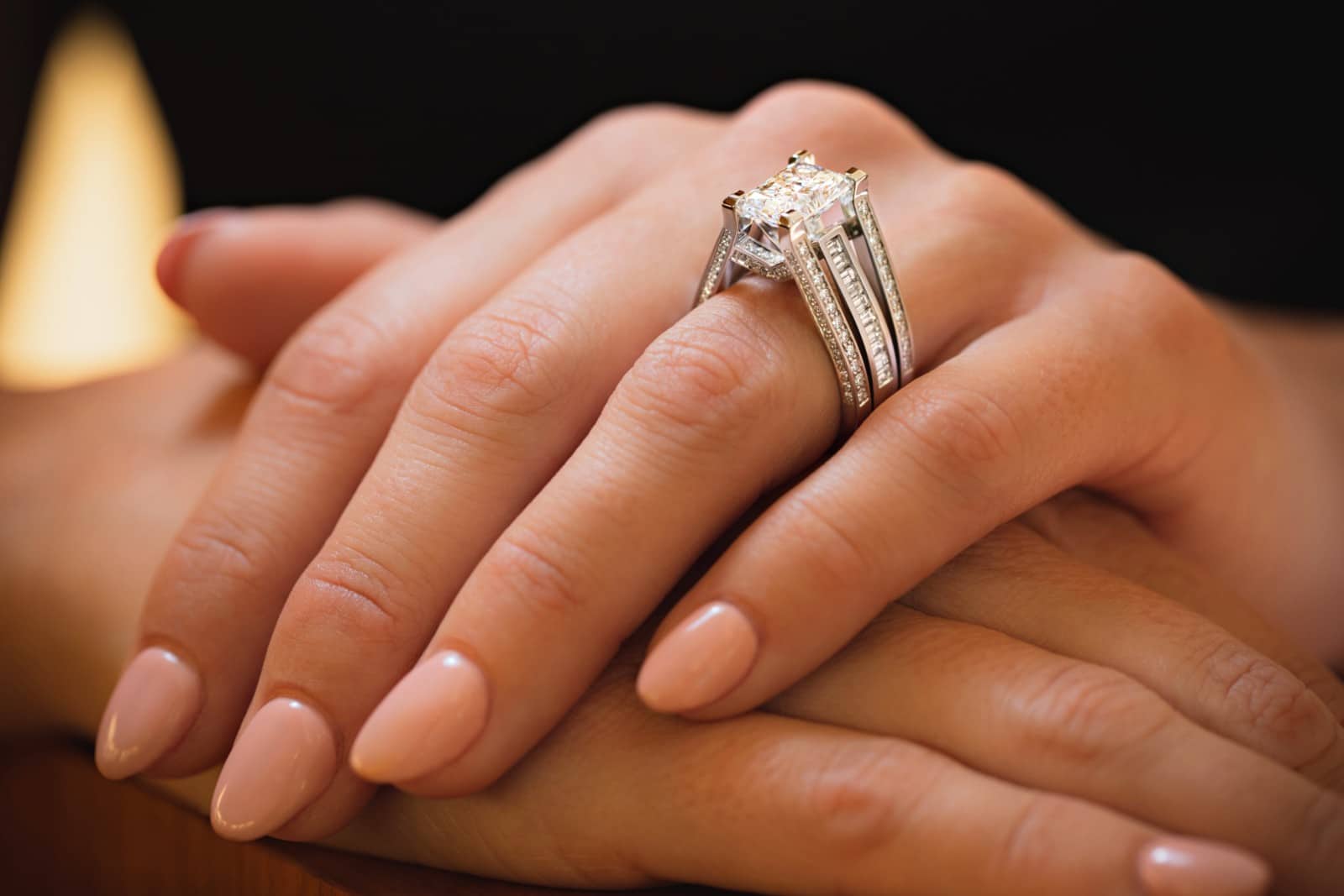
Quality inspection ensures the jewelry meets standards in design, weight, and finish. Wastage (metal lost during processing) is included in making charges and varies by design complexity. Jewelers account for this to maintain consistent gold weight in the final product.
Every detail is examined, from symmetry and smoothness to the secure setting of any stones. This step guarantees that the jewelry is not only visually appealing but also durable and ready for daily wear. During production, some metal is inevitably lost, a factor known as wastage. Wastage occurs due to cutting, filing, polishing, or other processing steps, and the amount varies depending on the complexity of the design.
Jewelers include this wastage cost in the making charges, so customers pay for the total gold required to create a perfect final product. Understanding this helps buyers in Nepal make informed decisions and avoid overpaying.
Finally, making charges include the jeweler’s profit margin. This compensates for expertise, operational costs, and business sustainability. Buyers should understand that the Banai reflects both craftsmanship and the value-added services provided by the jeweler.
The profit reflects not just the labor involved in crafting the jewelry, but also the knowledge, skill, and reputation of the jeweler. High-quality craftsmanship and attention to detail often justify a slightly higher making charge. In Nepal, this profit component is often referred to as “Banai”, which encompasses both the craftsmanship and the value-added services provided by the jeweler, such as custom designs, timely delivery, and after-sales support.
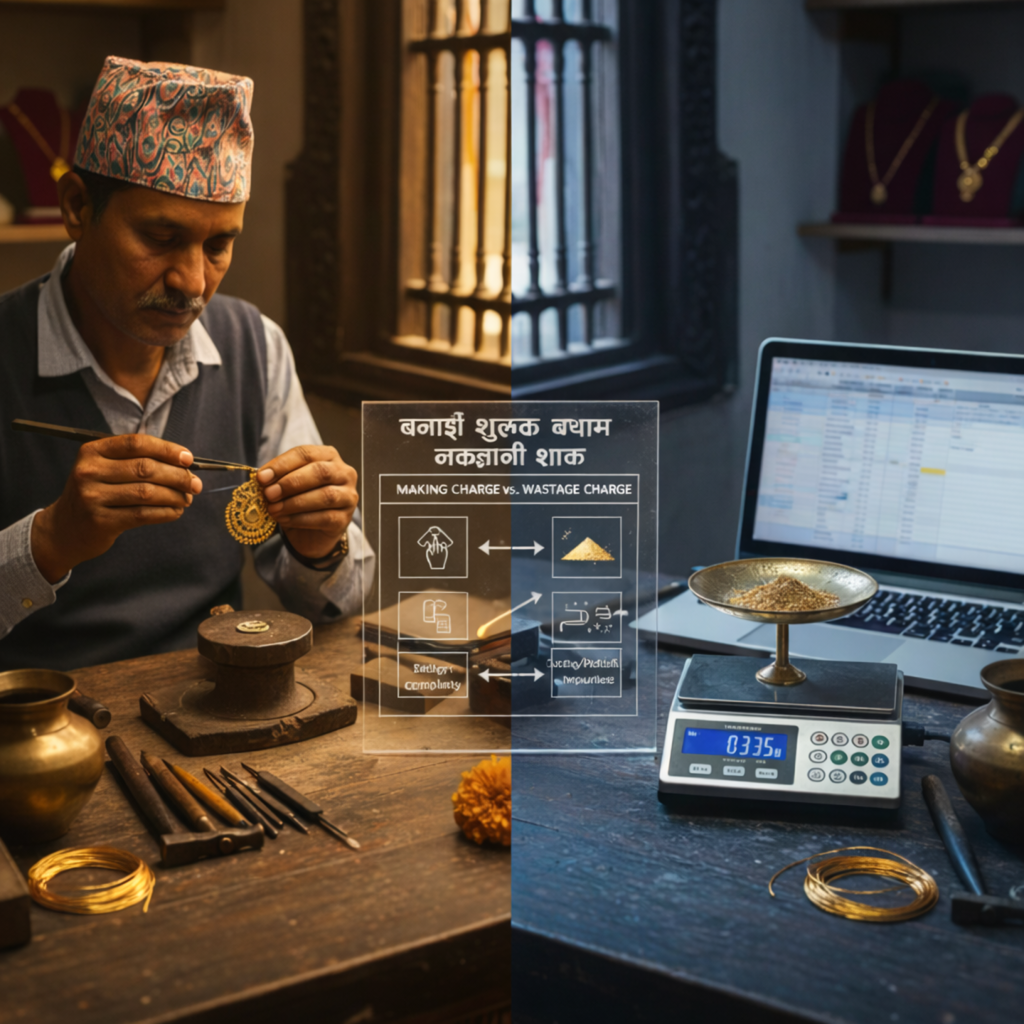
Many buyers in Nepal often confuse making charges with wastage charges. While both relate to the cost of transforming raw gold into finished jewelry, they represent different concepts.
Wastage refers to the gold that is lost during the making process due to cutting, filing, polishing, or other manufacturing steps. Traditionally, jewelers charged wastage separately, usually around 3–5% of the gold weight. This was added on top of the base gold cost to cover the metal lost during production.
Today, most jewelers in Nepal include wastage in the overall making charges. This means that what was once called “wastage” is now part of the Banai, making pricing simpler and more transparent. However, some older shops may still use the legacy terminology, which can confuse buyers.
When purchasing gold jewelry, always clarify whether the quoted making charges already include wastage. Asking for a detailed breakdown ensures you know exactly what you are paying for and prevents any misunderstandings. Understanding the distinction helps buyers make informed decisions and avoid overpaying.
In Nepal, a 13% GST is applied specifically to making charges (Banai) for gold jewelry. It is important to note that this tax is not applied to the gold value itself, as gold is generally VAT-exempt.
GST increases the final cost of your jewelry purchase. For example, if the making charge for a gold chain is NPR 20,000, the GST on making charges would be 13% × 20,000 = NPR 2,600. Therefore, the total making charge becomes NPR 22,600, in addition to the gold value.
A professional jeweler should always display GST separately on the invoice. This ensures transparency and allows buyers to verify that the correct tax has been applied. Always check the invoice before making payment to confirm that GST is calculated only on the making charges and not on the gold itself. When selling gold jewelry, note that GST is not refundable.
Negotiating making charges (Banai) in Nepal can help buyers save money, especially for custom jewelry, bulk orders, or repeat purchases. While gold rates and GST are typically fixed, there is usually room to discuss the labor component of jewelry pricing. Understanding when and how to negotiate ensures you get fair value without straining the relationship with the jeweler.
Certain situations offer more flexibility for negotiating making charges:
While negotiating, keep in mind what can and cannot be adjusted:
Successful negotiation requires preparation, tact, and realistic expectations:

The typical negotiation range for making charges is about 1–3% of the gold value for regular purchases. For bulk purchases, reductions of up to 5% may be possible. Custom-made pieces offer less flexibility due to the labor intensity involved, while simple designs and mass-produced items often allow for more negotiation room.
By understanding these strategies and realistic expectations, buyers can confidently negotiate making charges in Nepal. This ensures fair pricing while maintaining good relations with the jeweler, making future purchases smoother and more cost-effective.
Making charges (Banai) vary depending on the type of jeweler you choose in Nepal. Different categories of jewelers have distinct pricing strategies, operational costs, and levels of craftsmanship. Understanding these differences helps buyers select the jeweler that best fits their needs, budget, and design expectations.
Branded showrooms often charge higher making percentages due to brand value, standardized quality, certified gold purity, and additional services such as warranties. Local established jewelers balance quality and reputation with moderate pricing, making them a popular choice for buyers seeking trust and value. Market or bazaar jewelers usually have lower overheads and more competitive prices, ideal for budget-conscious buyers and traditional designs. Artisan or custom jewelers charge higher making percentages because of unique designs and the skill-intensive handcrafted work.
| Jeweler Type | Making Charges | Why | Best For |
|---|---|---|---|
| Branded Chains | 15–25% | Brand premium, standardized quality, warranties | Those wanting assurance, modern designs |
| Established Local Jewelers | 12–20% | Reputation, quality, moderate pricing | Balance of trust and value |
| Market/Bazaar Jewelers | 10–18% | Lower overhead, competitive pricing | Budget-conscious, traditional designs |
| Custom/Artisan Jewelers | 18–30% | Unique designs, handcraft skill | One-of-a-kind pieces |
Choosing the right jeweler depends on your priorities. For buyers prioritizing brand assurance and modern designs, branded chains are ideal. If balance of quality, reputation, and moderate pricing matters, established local jewelers are the preferred choice. Budget-conscious buyers seeking traditional designs can rely on market jewelers, while custom or artisan jewelers are best for unique, handcrafted pieces requiring skilled labor.
When purchasing gold jewelry in Nepal, different use cases may affect making charges. Understanding these scenarios ensures that buyers pay fairly while getting the desired value, whether for weddings, gifts, or investment purposes.
Wedding jewelry is often more intricate and heavier than everyday pieces, which increases making charges. Traditional designs with detailed patterns, stone settings, and embellishments require more labor and expertise, contributing to higher Banai. Bulk purchases for the bride, groom, and family members can provide room for negotiation. Planning ahead and discussing designs with the jeweler can help secure better rates and avoid last-minute price escalations.
Jewelry purchased as a gift requires balancing aesthetics and cost. Smaller items, such as chains, rings, or earrings, may have moderate making charges. Some jewelers include gift packaging charges, which should be considered in the total price. Understanding the recipient’s preferences—such as simplicity versus elaborate designs—can also help control unnecessary labor costs.
For investment purposes, minimizing making charges is key. Coins and gold bars typically have very low or no making charges, making them ideal for pure investment. If jewelry is preferred, simple designs and minimal labor should be chosen to reduce the Banai. Avoiding heavy embellishments and intricate patterns ensures that most of the cost goes toward actual gold value rather than labor charges.
By considering the purpose of the purchase—wedding, gift, or investment— buyers in Nepal can better evaluate making charges, negotiate when appropriate, and make informed decisions. This approach ensures value while meeting personal or financial goals.