
Gold Pricein Nepal Today
Loading...
Selling gold in Nepal is a common practice for many reasons—whether you need quick cash, want to upgrade your jewelry, or are exiting an investment. However, selling gold is not as straightforward as buying it. Many sellers are unaware of how to get the best value for their gold and may end up receiving less than it’s worth.
The process of selling gold involves understanding current market rates, assessing purity, and choosing the right buyer. Unlike purchasing, where you may focus only on design and making charges, selling requires careful evaluation to ensure a fair price. Knowing how to calculate gold value based on weight and purity is crucial.
Avoiding common pitfalls and scams is essential. Many sellers are misled by buyers offering lower rates or hidden deductions. Transparency is key—always ask for a detailed valuation and check the authenticity of the gold testing process. Trusted jewelers and reputable gold buyers in Nepal provide clear documentation for every transaction.
Comparing offers from multiple buyers helps maximize profit and ensures you aren’t undersold. Additionally, timing your sale when gold rates are favorable can make a significant difference. By following a structured approach, you can confidently sell your gold and receive the best possible price.
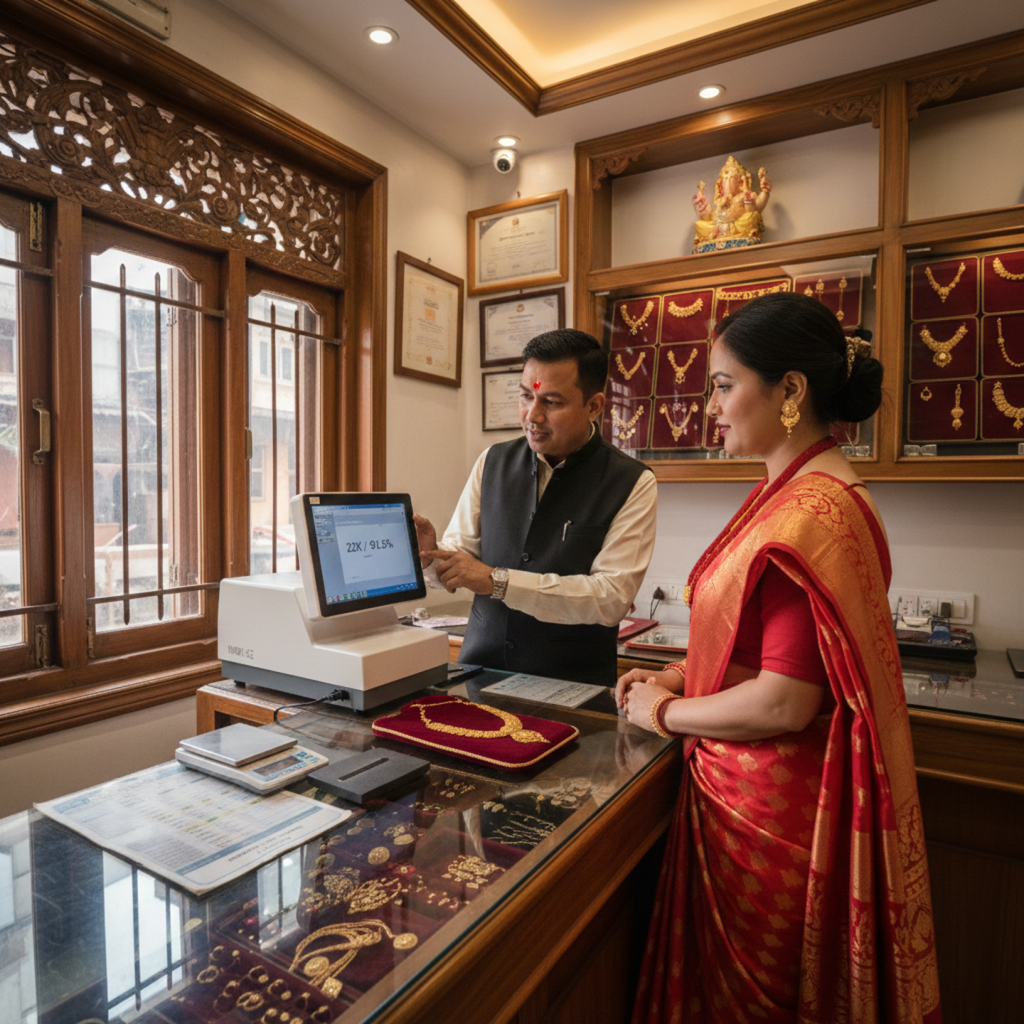
Knowing the right time to sell gold is essential to maximize returns and avoid losses. Factors such as market trends, personal financial needs, and seasonal demand influence the optimal selling time. This guide explores these considerations so can make informed decisions and get the best price for gold in Nepal.
Timing the sale of gold can significantly impact the price received. Selling when gold prices are high ensures maximum returns. Monitoring price trends over time helps understand market cycles and avoid selling during temporary dips.
Avoid panic selling in reaction to short-term fluctuations. Instead, align decisions with investment horizon and financial goals. For urgent cash needs, prioritize trusted buyers; if possible, wait for peak market conditions to optimize profit.
Historical gold price trends in Nepal can be checked on the Gold Price History, which provides detailed charts and data to guide timing decisions. Consistently tracking gold prices and market news helps sellers make informed decisions and maximize returns.

Sometimes selling gold is driven by personal financial needs rather than market conditions. Emergency cash requirements, such as medical bills or sudden expenses, are a common reason. Selling gold can provide quick liquidity in such cases, helping to manage urgent financial situations without delay.
Other personal reasons include upgrading to new jewelry, rebalancing your investment portfolio, or liquidating inherited gold. Understanding the reason for selling helps make strategic decisions and ensures that gold is not undervalued. Tracking current gold rates in Nepal before selling also ensures that you get the best price.
Additionally, consulting with trusted buyers and comparing market prices online can help maximize profits. Planning the sale around favorable market conditions and knowing the latest gold trends strengthens your selling strategy and financial outcomes.
From a market perspective, certain periods are more favorable for selling gold. Prices tend to peak before international market highs, or when the Nepalese Rupee strengthens against the US Dollar. Conversely, selling during festivals or wedding seasons may result in lower buyback rates due to higher local demand and competition.
By observing these trends and planning your sale accordingly, you can achieve better returns. Avoid selling impulsively during high-demand local events unless necessary. Monitoring gold rates in Nepal regularly and keeping an eye on global gold trends helps sellers make informed decisions. Using trusted jewelers ensures secure transactions and maximizes the value of gold.
Additionally, comparing current gold prices online before selling allows for better negotiation. Understanding seasonal price fluctuations and market dynamics strengthens your strategy and increases the likelihood of getting the best price for gold in Nepal.

Choosing the right place to sell gold in Nepal is crucial for maximizing your returns. Options include your original jeweler, licensed jewelers, banks, specialized buyers, and recycling centers. Each has its own advantages, limitations, and pricing approach. This guide helps you navigate your choices safely while ensuring fair value for your gold.
Selling back to the original jeweler can be a convenient option for gold jewelry purchased from them. Jewelers are familiar with the piece, which can sometimes result in better buyback terms for loyal customers. Choosing a reputable jeweler ensures a smoother transaction and fair pricing. Comparing multiple jewelers can help secure the best gold selling rates in Nepal.
Pros: Familiarity with the jewelry, possible higher buyback rates, trusted service.
Cons: May not offer full market value; always review the jeweler’s buyback policy before proceeding. Negotiation may be possible, especially for premium or high-value items.
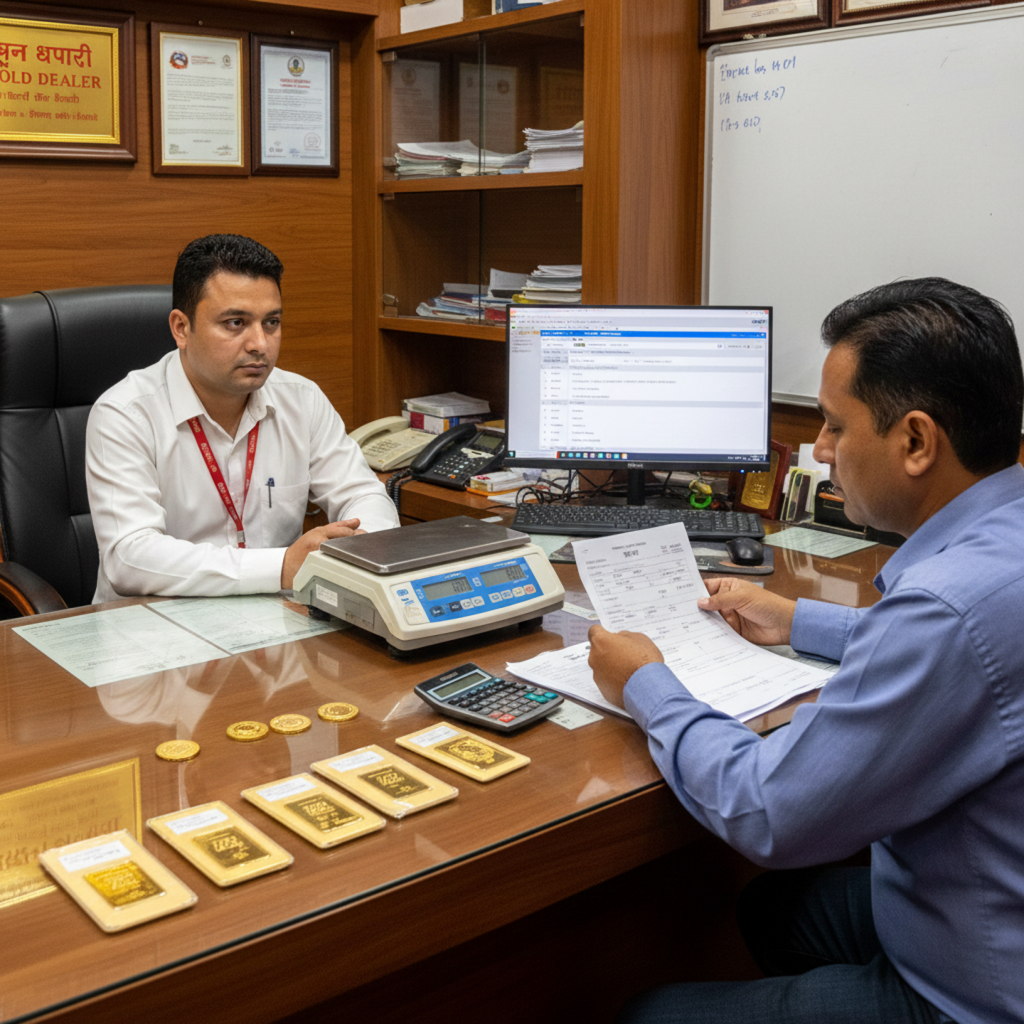
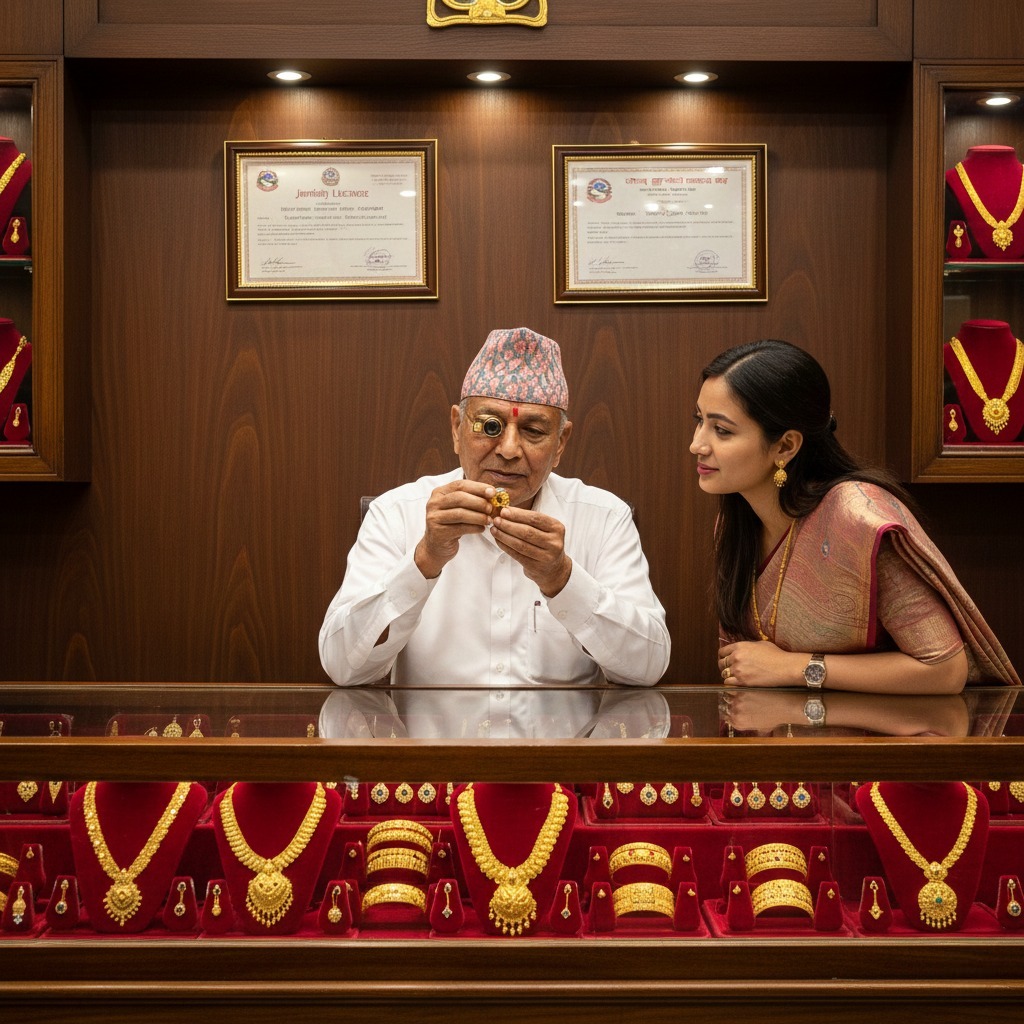
Licensed jewelers are the most common option for selling gold in Nepal. They offer competitive rates and follow proper gold valuation methods. Licensed jewelers play a key role in the gold selling market in Nepal, offering transparency, accurate purity testing, and regulated weighing practices. Selling gold through authorized jewelers helps ensure fair valuation based on the daily gold rate. These jewelers typically assess gold purity, weight, and current market demand before finalizing the price. Choosing licensed sellers reduces the risk of undervaluation and fraudulent practices.
Tips: Compare offers from multiple jewelers to ensure the best possible price. Focus on established jewelers in major markets. Some reputable areas include New Road and Indrachowk, where competition often leads to fairer pricing.
Verifying the jeweler’s license and reputation is essential before proceeding with a gold sale. Established licensed jewelers usually provide transparent billing, proper documentation, and clear breakdowns of gold purity and weight. This practice helps build trust and ensures compliance with Nepal’s gold trading standards.
A few banks in Nepal buy gold coins, but most do not purchase jewelry. Selling through banks provides an official and secure process but may yield lower prices. Banks usually follow strict verification standards and accept only certified gold coins or bullion. Gold valuation is often based on fixed internal rates rather than open market competition, which can affect the final payout. This option is generally preferred for safety and documentation rather than maximum profit.
Pros: Official, lower hassle, trustworthy.
Cons: Typically lower rates; limited to coins or certified gold bars. Always check eligibility before visiting.
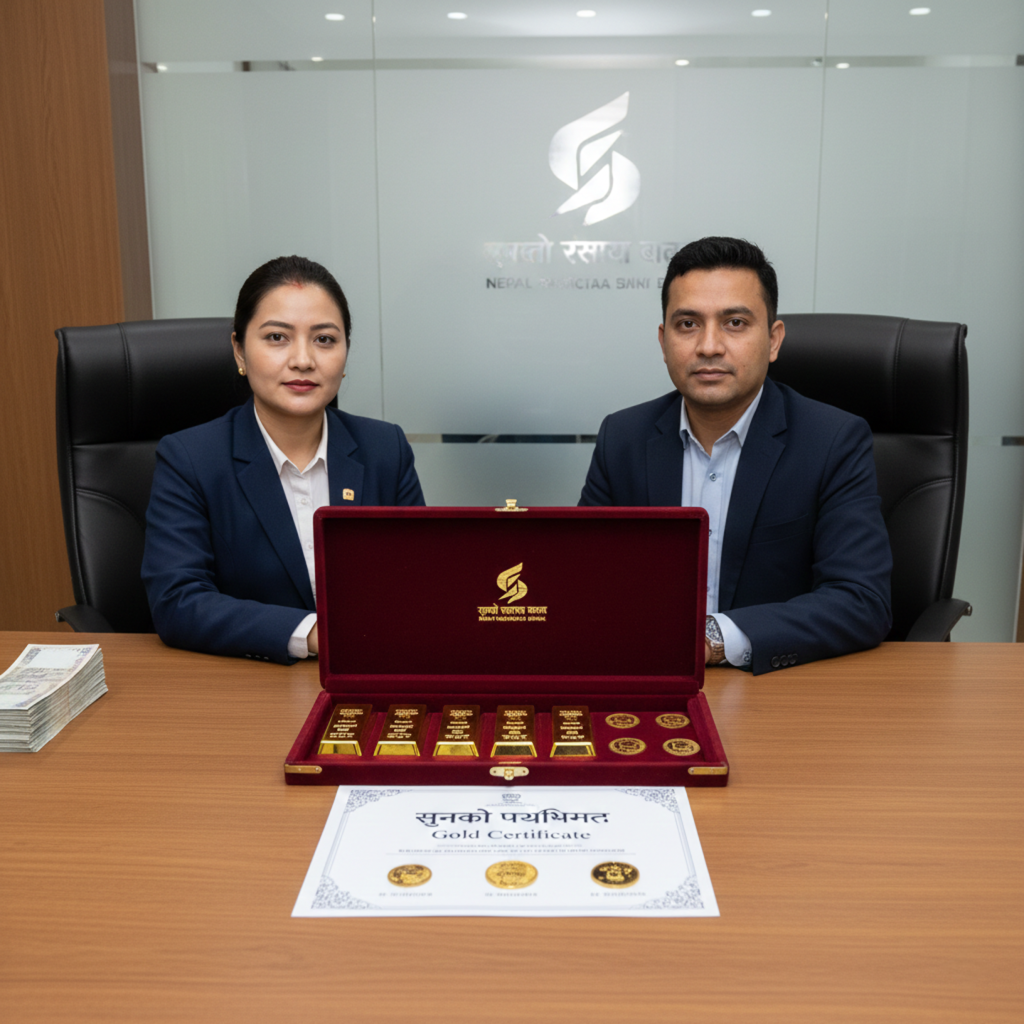

Specialized gold buyers are emerging in major Nepali cities. They offer instant cash for gold and often operate with minimal paperwork. These buyers focus on fast transactions and quick gold valuation, making them attractive for urgent sales. Many operate independently and may not follow standardized pricing benchmarks. Gold prices offered can vary significantly depending on purity testing methods and weighing accuracy. Some specialized buyers advertise higher rates, but hidden deductions may apply. Verifying transparency in gold weight and purity assessment is essential. Choosing licensed and well-reviewed buyers helps reduce the risk of unfair valuation.
Specialized gold buyers often attract sellers with quick payouts and flexible selling options. However, pricing transparency can vary significantly across different buyers. Gold rates offered may not always align with the official daily gold price in Nepal. Checking reviews and local reputation helps identify reliable buyers. This approach supports safer transactions and fairer gold valuation.
Tips: Compare rates carefully and verify their licensing. While convenient, unverified buyers may underpay or use unfair weighing methods.
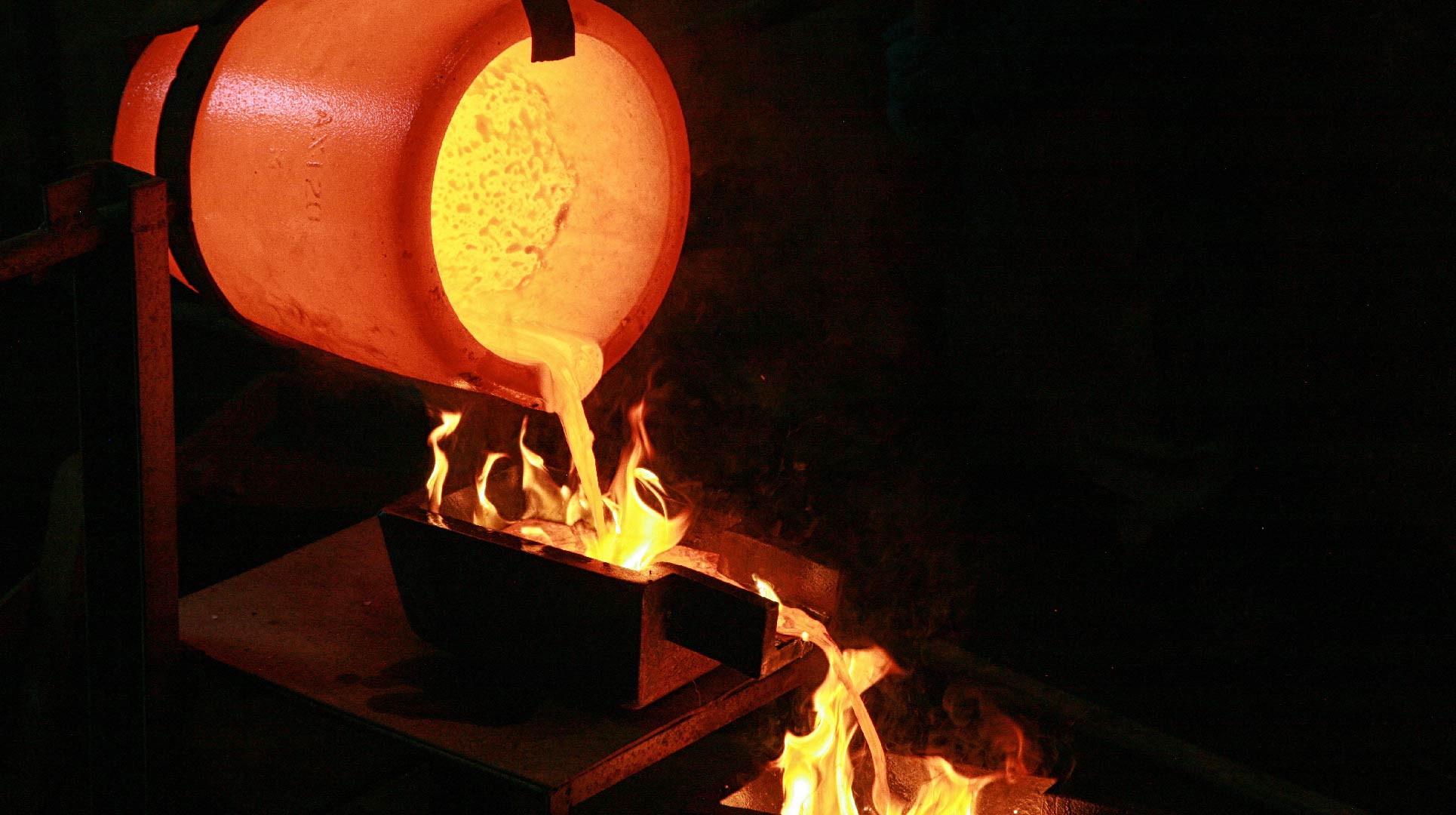
Recycling centers focus on melting down old or broken jewelry and paying only for the gold content. Craftsmanship or design value is not considered. These centers evaluate gold strictly based on purity and weight. Prices are usually calculated according to the prevailing daily gold rate. This option is commonly used for damaged, outdated, or scrap gold items. Recycling centers may offer faster processing but limited negotiation. Proper verification of weighing and purity testing methods ensures fair compensation.
Pros: Quick evaluation, minimal negotiation.
Cons: Lowest prices, no value for artistry. Ideal only for scrap gold or items you no longer want in any form.
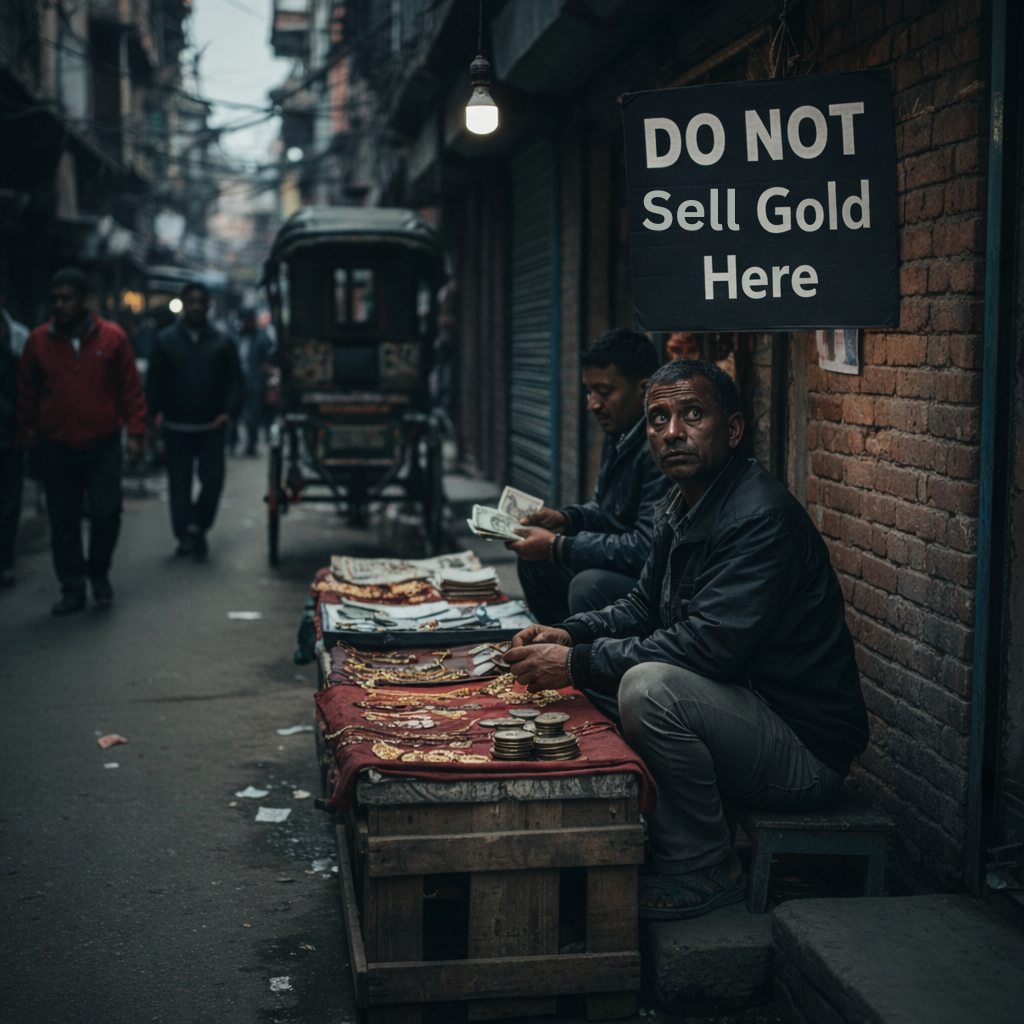
Avoid risky or unverified avenues when selling gold. These can lead to loss, fraud, or unfair pricing. Such channels often lack transparency in gold weighing and purity testing. Prices offered may be significantly lower than the prevailing gold rate in Nepal. In many cases, there is no proper documentation or legal accountability.
Stick to reputable buyers, licensed jewelers, banks, or certified gold centers to protect the value of gold assets. These options follow standardized valuation methods and regulated weighing practices. Transparent pricing and proper documentation help ensure fair transactions. Choosing trusted sellers reduces financial risk and supports secure gold selling in Nepal.
The selling price of gold in Nepal is calculated using the formula:
Selling price = Gold weight × Purity × Current rate × Buyback %
Example: You have 20 grams of 22K gold. Current 22K rate is NPR 109,920 per 10 grams, and the buyback percentage is 95%.
Note: Making charges paid during purchase are NOT included in resale.
Understanding this base calculation helps sellers plan their sale and anticipate returns. The following factors further affect the actual price you receive:
The buyback percentage typically ranges from 90–98%, depending on the buyer and type of gold. Coins and bars generally receive higher percentages, while intricate jewelry often receives less. Negotiation is sometimes possible for bulk sales. Knowing the current gold rateand market trendscan help you get the best possible price.
Example:
Gold weight:10g
Buyback percentage: 95% (0.95)
Gold rate per 10g: NPR 100,000
Resale value calculation:
100,000 × 0.95 = NPR 95,000
Sellers don’t get 100% of the current gold rate because buyers incur costs for refining, testing, melting, and handling market risk. This margin also includes the buyer’s profit. Understanding these deductions helps set realistic expectations.
Example:
Gold weight: 10g
Buyback percentage: 95% (0.95)
Gold rate per 10g: NPR 100,000
Buyer margin & handling costs: 5%
Resale value calculation:
100,000 × 0.95 = NPR 95,000
Actual amount received: NPR 95,000
Making charges paid during purchase are never recovered on resale. Buyers only pay for gold content, not the design or craftsmanship. This is why investment gold, such as coins and bars, retains value better than intricately crafted jewelry.
Example:
Total purchase price: NPR 120,000
Making charges included: NPR 20,000
Gold content value: NPR 100,000
Resale calculation: Buyer pays only for gold content
Amount received at resale: NPR 100,000
Selling gold in Nepal requires some basic documentation to ensure a smooth and secure transaction. Proper documents help verify ownership, purity, and legality, allowing you to get a fair gold buyback price. While some buyers may accept gold without all documents, having them ready increases trust and may improve your resale rate.
Keeping these documents ready ensures a safer and faster gold selling process in Nepal. Even if some documents are missing, understanding the requirements and providing valid ID helps you avoid delays, ensures legal compliance, and maximizes your gold resale value.
Getting the best price for your gold in Nepal requires careful planning and strategy. From market timing to presentation and negotiation, several factors influence the final buyback rate. Following these tips can help you maximize returns while ensuring a safe transaction.
By combining timing strategies, careful presentation, strong negotiation, and clear knowledge of your bottom line, you can maximize the selling price of your gold in Nepal while ensuring a safe and transparent transaction.
When selling gold in Nepal, buyers often apply deductions from the total gold value. Understanding which deductions are legitimate and which are questionable is crucial to ensure you receive a fair buyback price. Awareness of common practices helps you negotiate effectively and avoid unnecessary losses.
By distinguishing legitimate deductions from questionable ones, you can protect your investment and maximize your gold resale value. Always ask buyers for transparency on all deductions and verify that they align with industry norms in Nepal.
Gold comes in many forms, from jewelry to coins, bars, and even broken or scrap pieces. Each type has its own valuation method, verification process, and typical buyback percentage. Understanding these differences helps you maximize resale value and ensures a smoother selling experience.
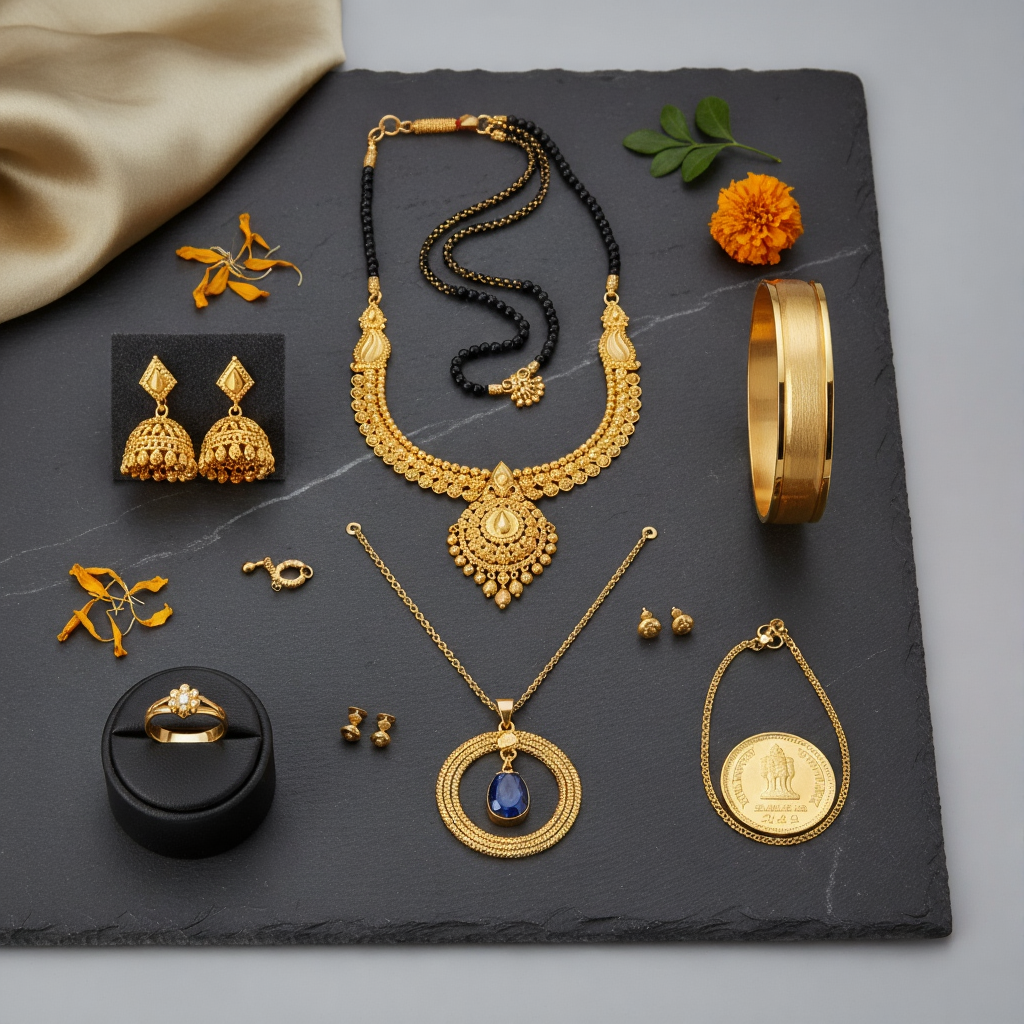
When selling gold, the value is determined mainly by its weight and purity, rather than the design or craftsmanship. Any intricate designs or decorative work added at the time of purchase generally do not increase the resale price. This means the artistic or labor costs you paid are usually not recovered. Understanding this helps sellers set realistic expectations and avoid disappointment. Even though the jewelry may look valuable, buyers focus on the gold content itself.
Sellers also have some flexibility when negotiating the buyback price, especially with larger quantities or trusted buyers. Even broken or damaged jewelry holds nearly the same value as intact pieces, since the emphasis is on the gold. Being aware of these factors can help you maximize returns when selling in Nepal. Knowing how the market evaluates gold ensures you get a fair and transparent transaction.
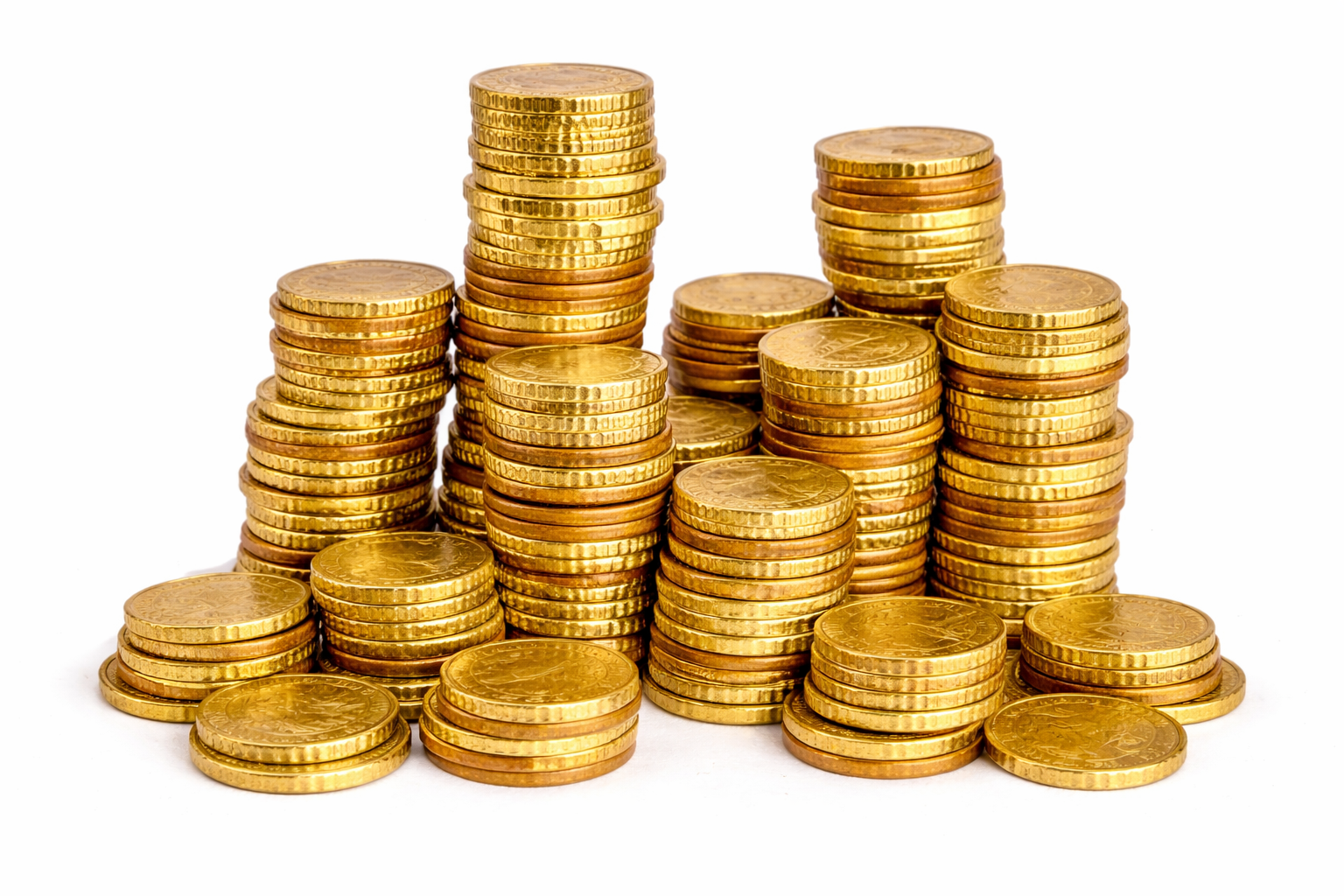
Gold coins are generally easier and faster to sell than jewelry, making them a convenient option for those looking to liquidate assets quickly. They often offer a higher buyback percentage, typically between 95–98%, which ensures better returns for the seller. Coins from a reputable brand require less verification, reducing the hassle and time needed for transactions. Even small quantities can fetch competitive prices due to their recognized purity and authenticity.
Additionally, sealed or certified coins can command a premium price compared to regular coins. Buyers value certification as it guarantees purity and weight, giving sellers more leverage during negotiation. Understanding these advantages can help you maximize returns when selling gold coins in Nepal. Whether you’re selling a few coins or a larger collection, knowledge of these factors ensures a transparent and profitable transaction.
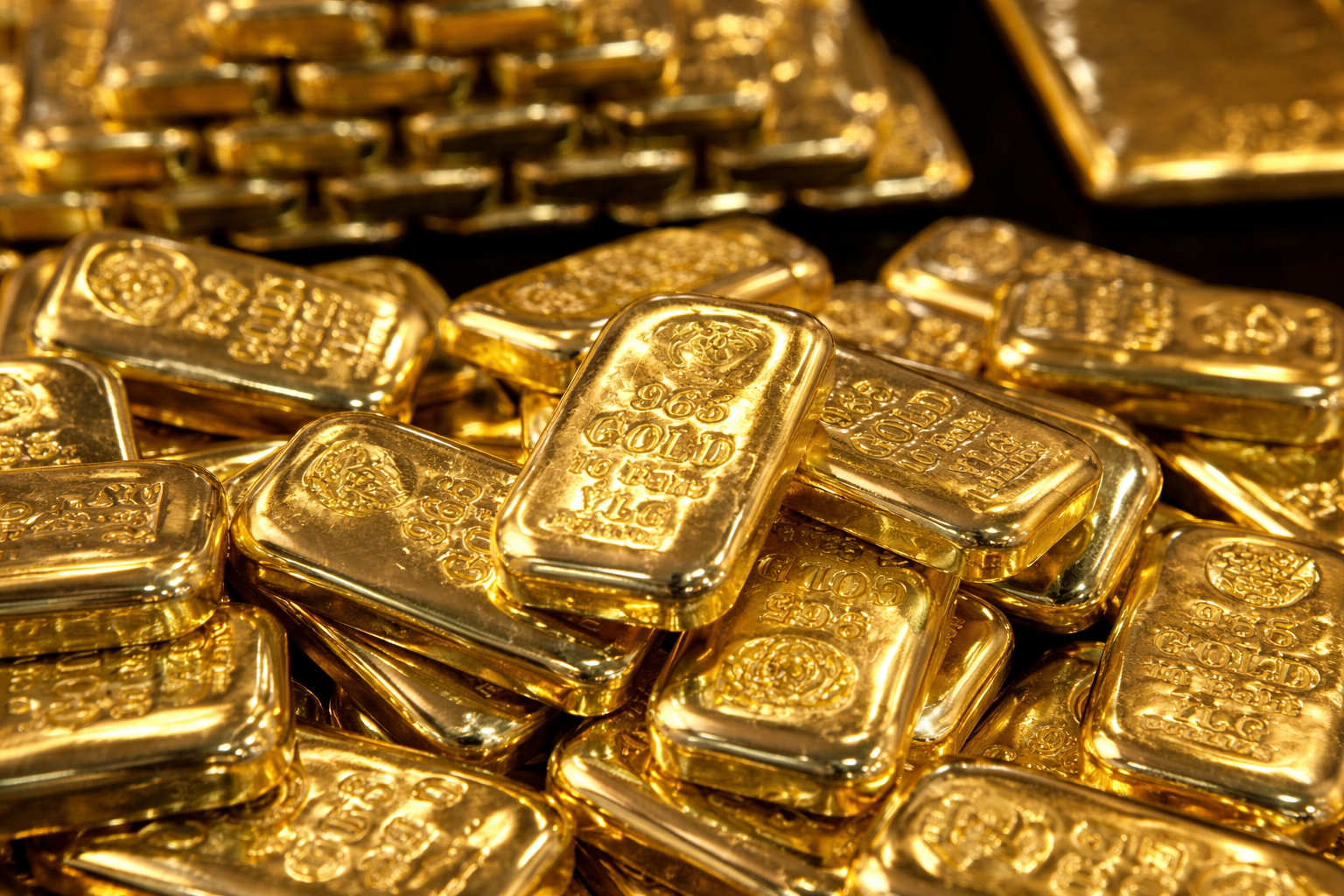
Certain types of gold offer the best buyback rates among all gold forms, making them highly attractive for sellers. To ensure a smooth resale, proper documentation is usually required, which helps avoid delays or complications. The purity of gold is tested thoroughly and precisely, giving buyers confidence in the quality of the material. Even small variations in weight or karat are considered carefully during evaluation, ensuring fair pricing for every seller. Knowing these details beforehand allows you to plan your sale effectively.
For bulk sales or large transactions, specific protocols may apply to maintain security and transparency. Being aware of these requirements helps sellers plan ahead and maximize returns. Understanding the verification process and documentation standards ensures a hassle-free and profitable gold selling experience in Nepal.
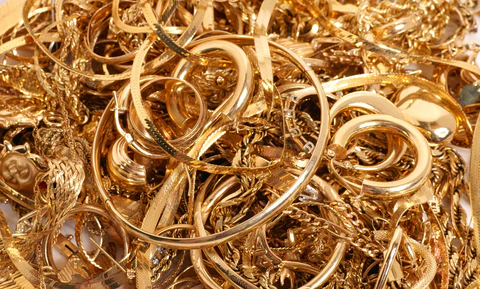
Broken or damaged gold holds almost the same value as intact pieces, since buyers primarily focus on the weight and purity of the gold. The valuation is purely weight-based, meaning that aesthetics or outward appearance do not affect the price. Sellers should understand that no additional value is added for design or craftsmanship, so expectations should be realistic when selling such items.
This makes broken, old, or worn-out pieces an ideal option for selling, as they still retain significant monetary worth despite their condition. Buyers assess the gold content directly, ignoring scratches, dents, or missing elements. Being aware of this can help sellers maximize returns and avoid overvaluing damaged jewelry. Proper weighing and verification ensure a transparent and fair gold selling process in Nepal.
Selling goldin Nepal may have tax implications depending on your holding period, the amount of profit, and your personal financial situation. Understanding potential taxes ensures compliance and helps you plan for any deductions that might affect your net proceeds.
Disclaimer: Tax laws in Nepal may change over time. Always verify the latest regulations and consult a qualified professional before making decisions based on tax implications.
Being aware of tax requirements and maintaining proper documentation ensures that selling gold in Nepal is not only profitable but also legally compliant.
If you are considering selling gold in Nepal, there are alternative options to generate liquidity without giving up ownership entirely. Exploring these strategies can help you maximize financial benefits while retaining your valuable asset.
Exploring alternatives to selling gold in Nepal helps you manage financial needs effectively while preserving your valuable assets. By choosing the right strategy, you can optimize returns and maintain long-term investment security.