
Gold Pricein Nepal Today
Loading...
Gold purity plays a major role in determining the value, durability, and purpose of gold jewelry in Nepal. Whether you are buying gold for investment, weddings, or daily wear, understanding purity helps you make a smarter and more confident decision. In Nepal, gold is commonly sold using the karat (K) system, which measures how much pure gold is present out of 24 parts. The higher the karat, the purer—and softer—the gold.
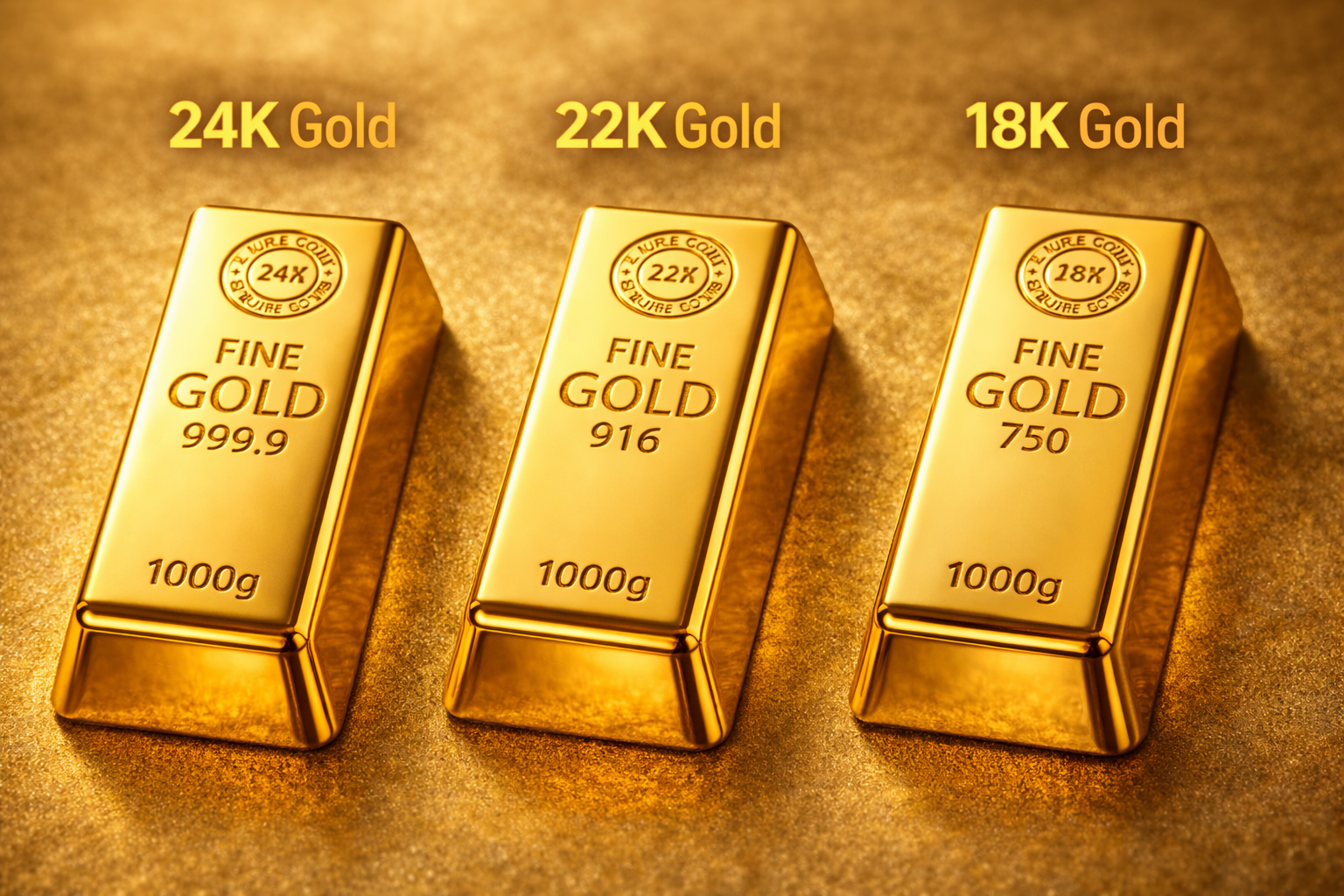
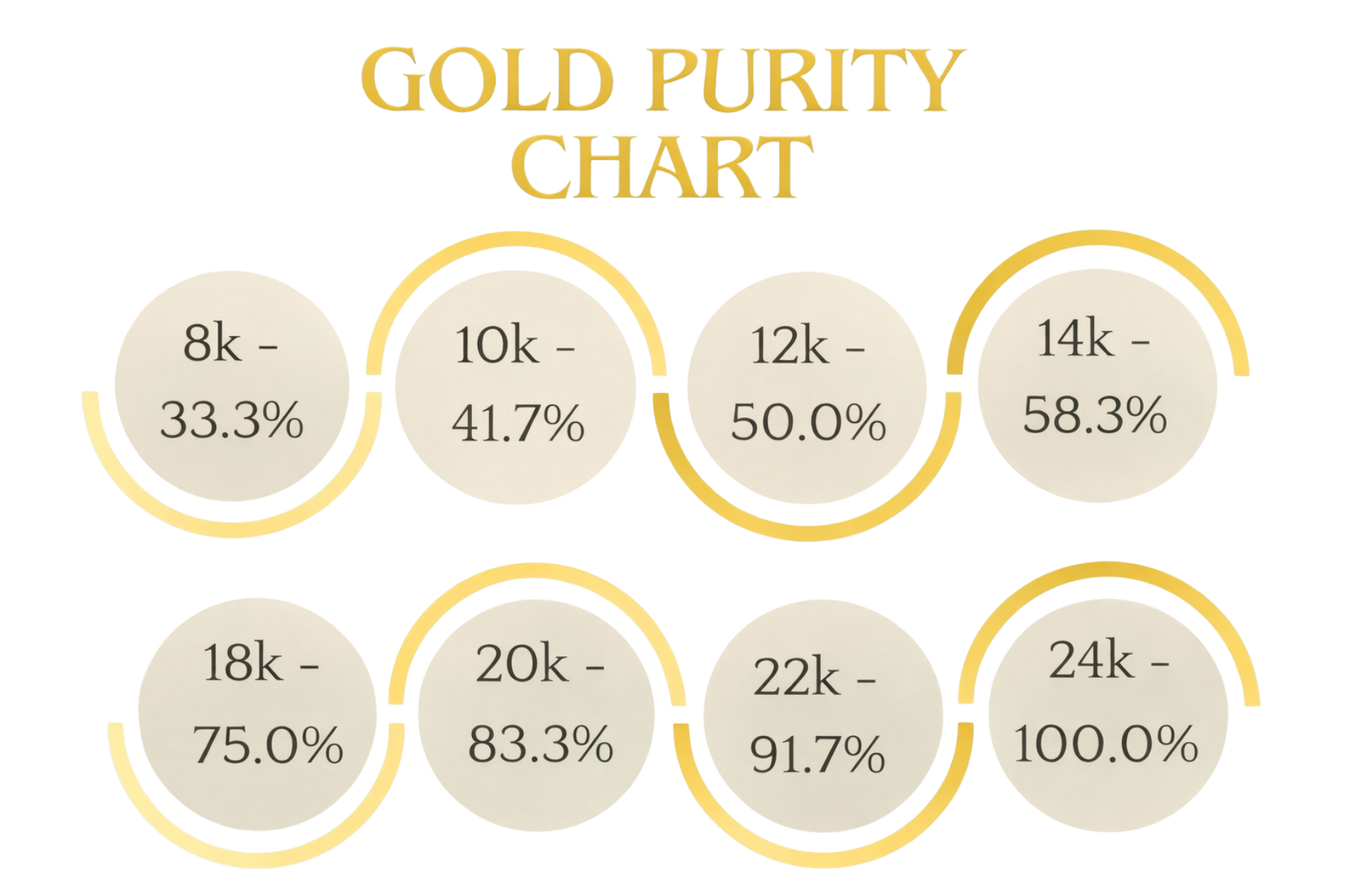
24K gold is considered 99.9% pure and is mainly used for investment and savings rather than jewelry, as it is very soft. 22K gold, which contains about 91.6% pure gold, is the most popular choice for traditional Nepali jewelry because it balances purity with strength. 18K gold, made of 75% pure gold mixed with other metals, is stronger and often used for modern designs and gemstone jewelry.
Different purities exist to meet different needs—purity for value, alloys for durability, and design flexibility for style. Knowing these differences helps buyers in Nepal choose gold that fits their budget, lifestyle, and long-term goals, whether for cultural traditions or financial security.
Gold purity refers to how much pure gold is present in a gold item, and it is measured using the karat (K) system. In Nepal, this system is widely used by jewelers, banks, and bullion traders to determine gold quality and pricing. Many buyers often confuse karat with carat, but they mean different things. Karat (K) measures gold purity, while carat refers to the weight of gemstones like diamonds.
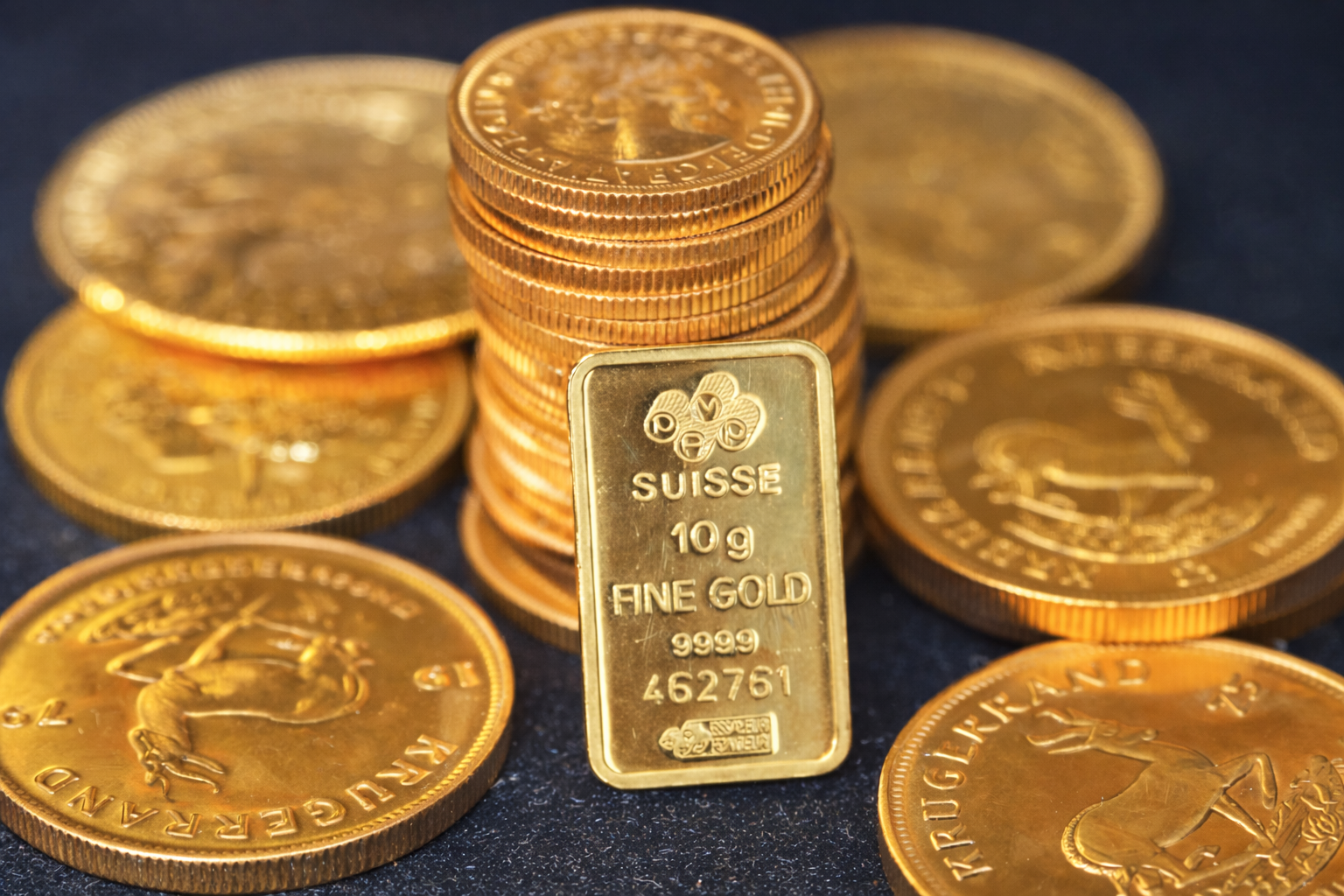
In the karat system, 24K gold represents the highest level of purity. It contains 24 parts out of 24, meaning nearly 100% pure gold (99.9%). Because of this, 24K gold is considered the international standard for purity and is commonly used for gold bars, coins, and investment gold in Nepal.
The karat scale works by dividing gold into 24 equal parts. For example, 22K gold contains 22 parts pure gold and 2 parts other metals, while 18K gold contains 18 parts gold and 6 parts alloys. As the karat value decreases, gold becomes less pure but more durable.
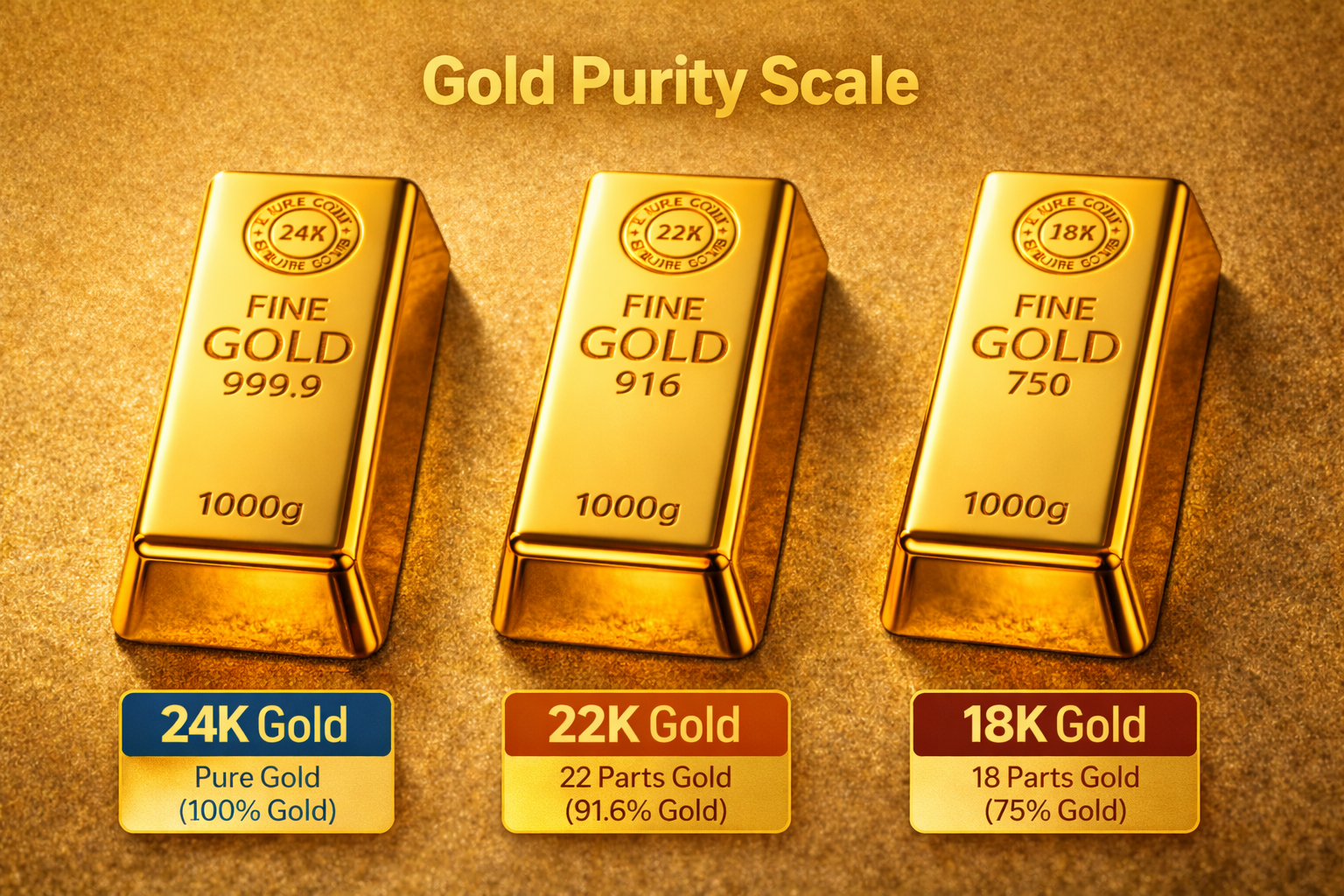
Pure gold is naturally soft, flexible, and easy to bend, which makes it impractical for everyday jewelry. It scratches easily and cannot securely hold gemstones or complex designs. To solve this, jewelers mix gold with other metals such as copper, silver, zinc, or nickel. This mixture is called a gold alloy, and it improves strength, durability, and design versatility.
In Nepal, gold alloys allow jewelers to create long-lasting ornaments while maintaining high value. Understanding the karat system helps buyers compare gold prices based on purity, identify hallmarked gold, and choose the right gold for investment, weddings, or daily wear.
The gold purity scale helps buyers understand how much pure gold is present in different types of gold available in Nepal. Gold purity is measured using the karat (K) system, where 24K represents the highest possible purity. Each level of purity affects the gold's value, durability, usage, and price. The table below provides a complete breakdown of common gold purities used in jewelry and investment.
| Karat | Gold % | Gold Parts (out of 24) | Common Use | Durability | Price Level |
|---|---|---|---|---|---|
| 24K | 99.9% | 24/24 | Investment, coins | Very soft | Highest |
| 22K | 91.6% | 22/24 | Indian/Nepali jewelry | Soft | High |
| 21K | 87.5% | 21/24 | Some jewelry | Medium-soft | Medium-high |
| 18K | 75% | 18/24 | Western jewelry | Medium | Medium |
| 14K | 58.3% | 14/24 | Affordable jewelry | Hard | Lower |
| 10K | 41.7% | 10/24 | Budget jewelry | Very hard | Lowest |
In Nepal, 24K gold is mainly used for investment because it has the highest purity and price but lacks durability. 22K gold is the most popular choice for traditional Nepali and Indian jewelry, offering a strong balance between purity and strength. Lower purities such as 18K, 14K, and 10K gold are mixed with more alloys, making them harder and more suitable for modern, affordable, and daily-wear jewelry. Understanding this gold purity scale helps buyers compare gold prices accurately, choose the right karat for their needs, and make informed purchasing decisions in Nepal.
24K gold is the purest form of gold available in Nepal, containing approximately 99.9% pure gold. It is also referred to as fine gold. Technically, achieving 100% purity is extremely difficult due to natural trace elements in gold, which is why 24K is considered the standard for pure gold. This high purity makes it the preferred choice for investors and collectors looking for long-term value.
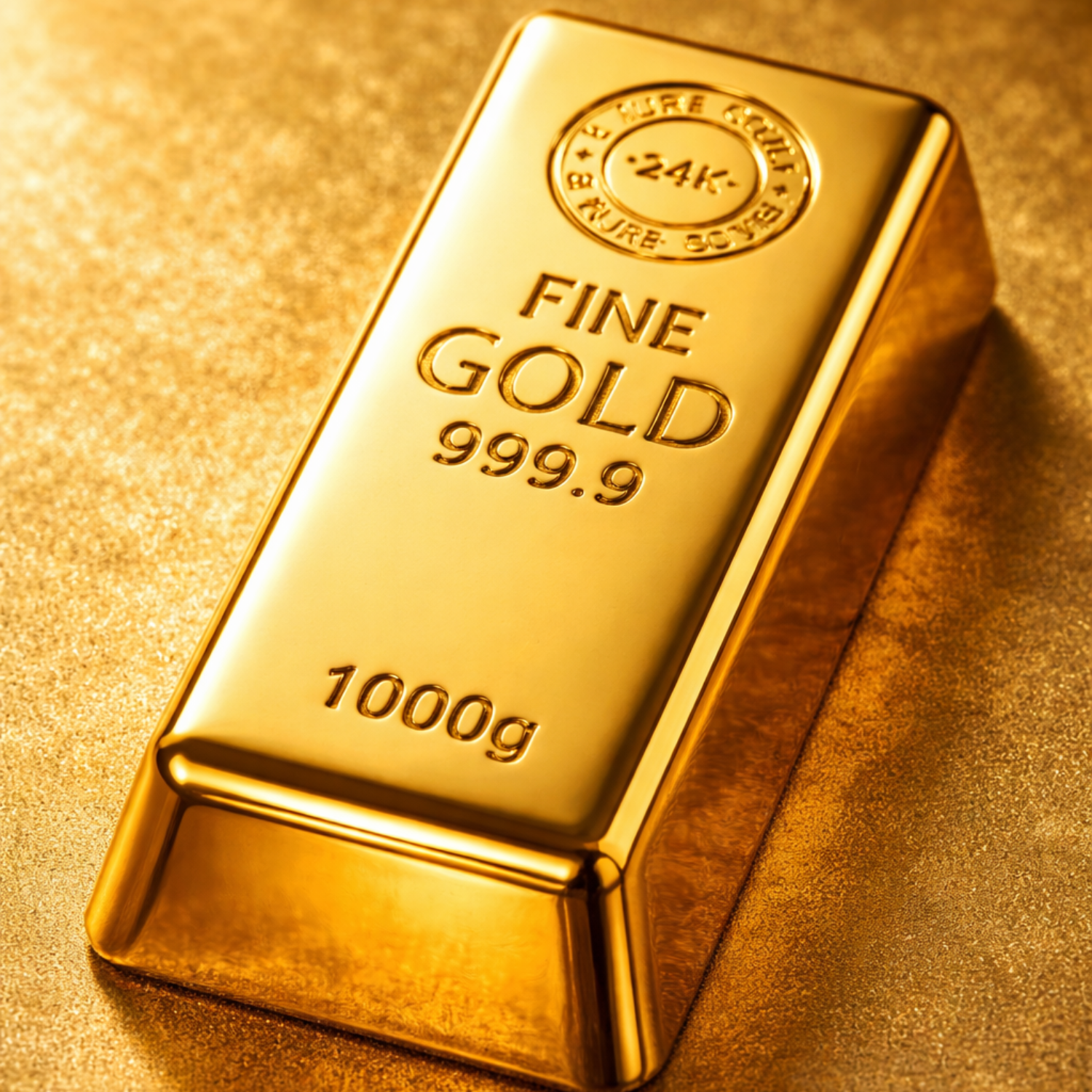
In Nepal, 24K gold is primarily used for investment purposes such as gold coins, bars, and bullion. It is also widely used for religious offeringsin temples and ceremonial rituals. Due to its softness, it is rarely used for daily wear jewelry, as it can easily deform or scratch.
24K gold carries the highest price per gram or tola in Nepal because of its purity and investment value. For example, the current rate of 24K gold in Nepal is approximately NRs. XX,XXX per tola, which fluctuates daily based on international gold markets and local demand.
Understanding 24K gold in Nepal is essential for investors and buyers who prioritize pure gold investment over decorative use. While it offers unmatched purity, shine, and long-term value, it is important to remember that 24K gold is not suitable for daily wear due to its softness and higher cost. For jewelry that combines beauty and durability, many Nepali buyers prefer 22K or 18K gold instead.
22K gold is composed of approximately 91.6% pure goldand 8.4% other metals such as copper, silver, and zinc. These alloys are intentionally added to enhance the strength and durability of the gold, making it suitable for intricate designs and daily wear jewelry. While slightly less pure than 24K gold, 22K maintains a high gold content, making it a trusted choice for investment and traditional ornaments in Nepal.
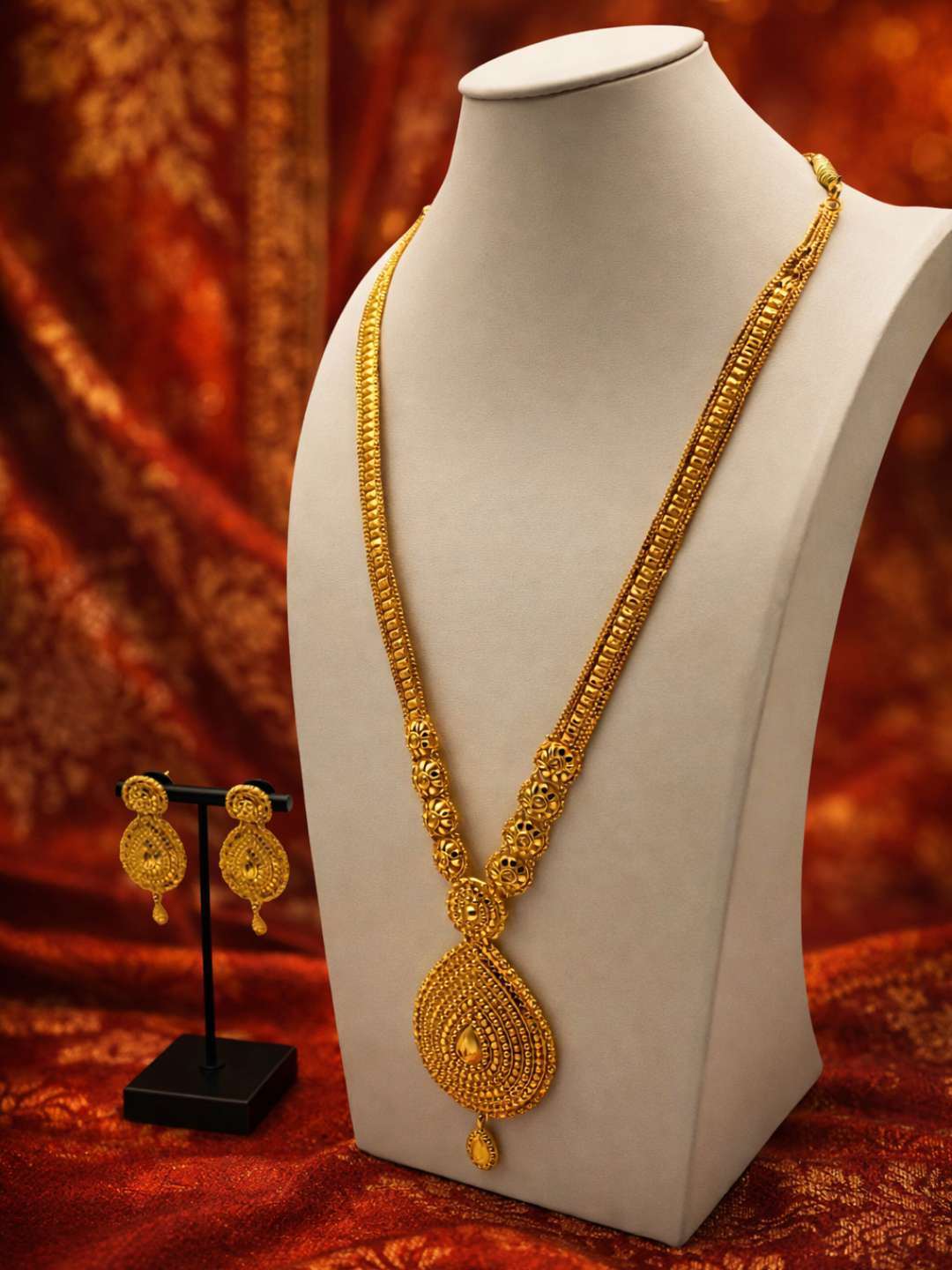
In Nepal, 22K gold is the traditional standard for wedding jewelry and festive occasions. It is widely used in Nepali ornaments, religious jewelry, and ceremonial pieces. Buyers often select 22K gold for its perfect balance between investment value and wearability, combining beauty, cultural significance, and reasonable durability.
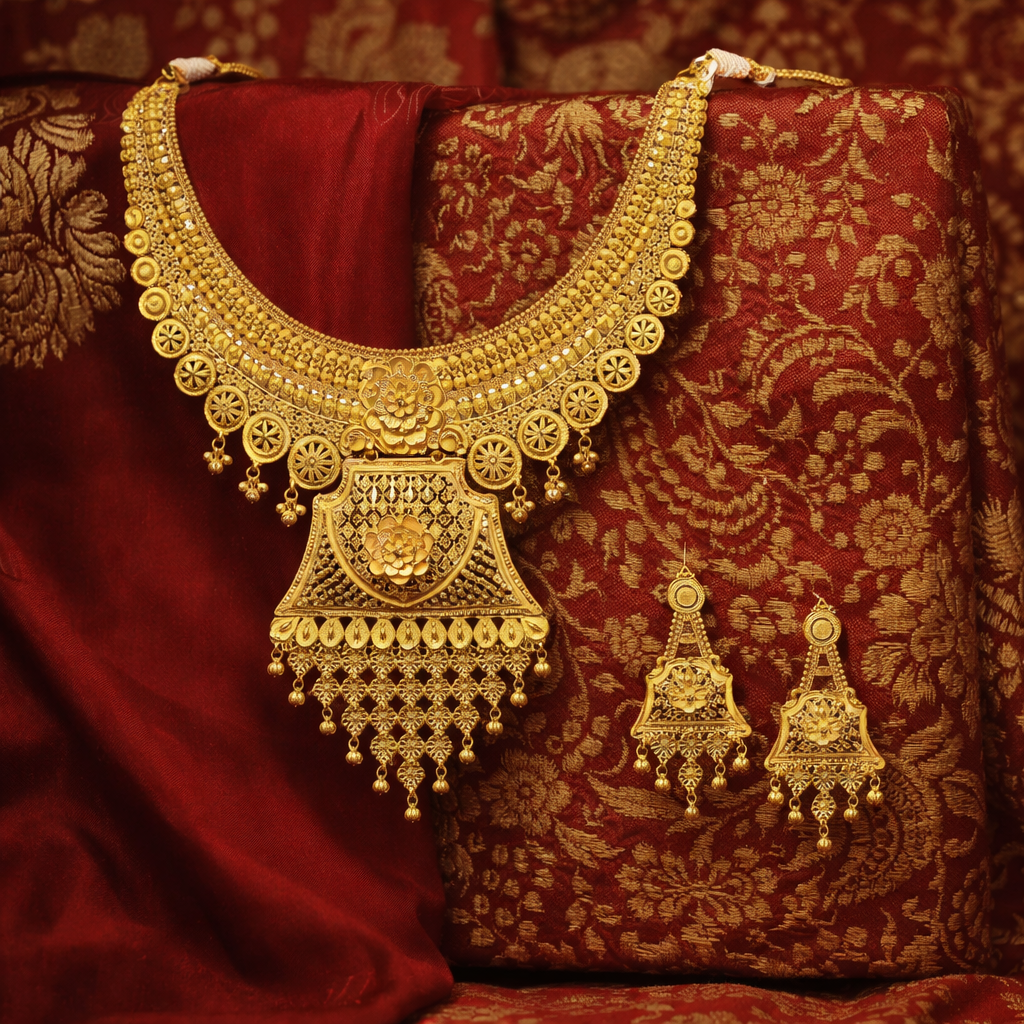
22K gold is generally priced at approximately 91.6% of the 24K gold ratein Nepal, reflecting its slightly lower purity. For example, if the current rate of 24K gold is NRs. XX,XXX per tola, the 22K price would be around NRs. XX,XXX × 0.916 ≈ NRs. XX,XXX per tola. This makes it a cost-effective choice for traditional jewelry without sacrificing much purity.
Understanding 22K gold in Nepal helps buyers balance purity, durability, and cultural significance. It is the preferred choice for weddings, religious ceremonies, and traditional designs, offering a trusted combination of investment potential and wearable jewelry. Compared to 24K, it provides better strength while retaining a rich gold appearance, making it ideal for those who want both beauty and longevity in their gold pieces.
18K gold contains 75% pure gold and25% other metals such as copper, silver, nickel, or palladium. These alloys allow jewelers to create different color variations includingyellow, white, and rose gold. This versatility makes 18K gold suitable for modern and international jewelry designs, offering both beauty and durability.
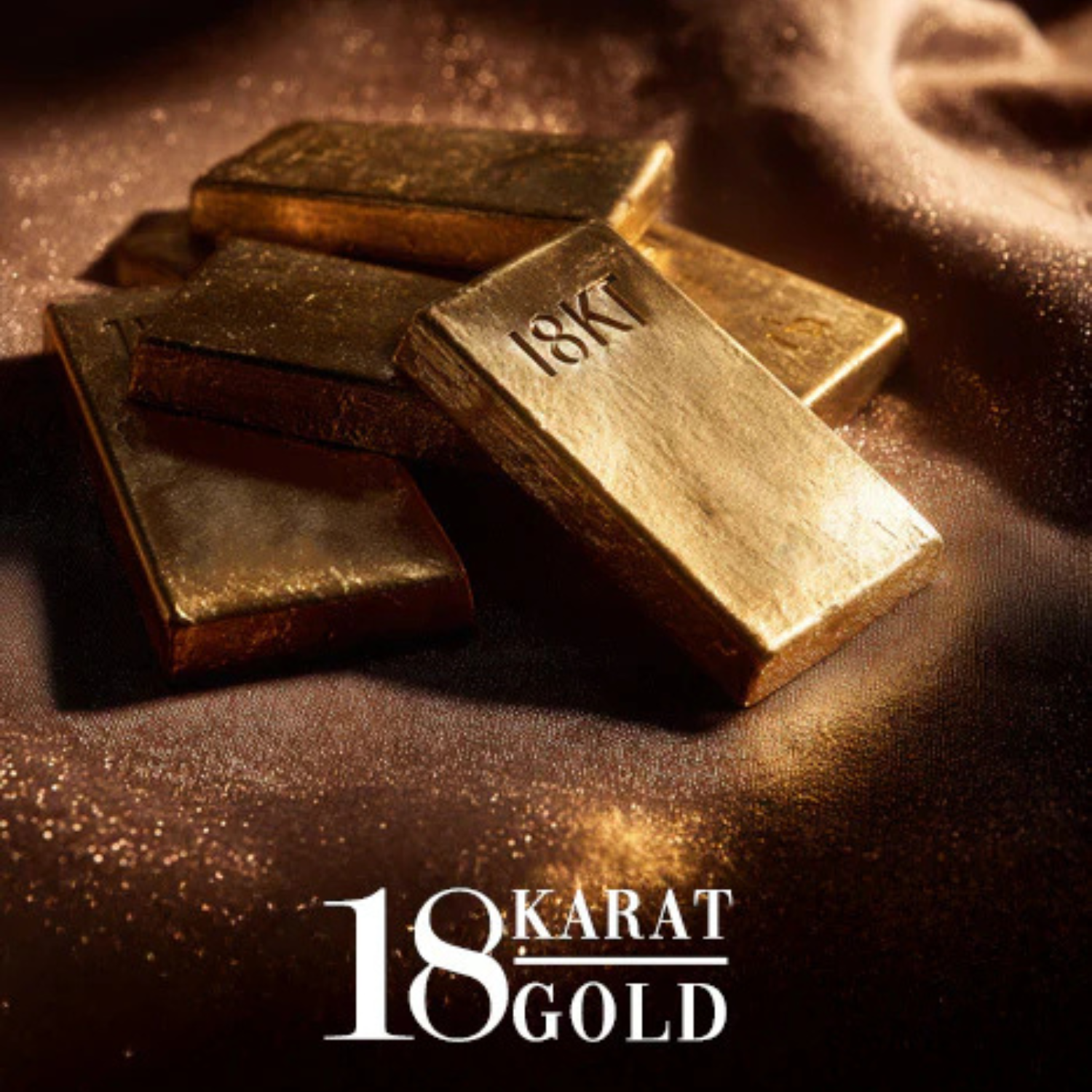
18K gold is less common than 22K gold in Nepal, but its popularity is growing, especially among buyers looking for modern, durable, and stylish jewelry. Some high-end jewelers now offer 18K gold collections for rings, bracelets, and international-inspired designs, catering to customers who prefer a balance between durability and aesthetics.
18K gold is priced at approximately 75% of the 24K gold rate, making it a more affordable optionfor those seeking stylish jewelry without paying for the highest purity. This pricing makes it attractive for daily wear, gifts, and modern jewelry collections in Nepal.
Understanding 18K gold in Nepal helps buyers select jewelry that combinesdurability, affordability, and design versatility. While it is less traditional than 22K gold, its strength and color options make it an excellent choice for everyday jewelry, contemporary styles, and high-end modern collections, appealing to buyers who prioritize practicality alongside elegance.
While 24K, 22K, and 18K gold dominate the Nepali market, other gold purities such as 21K, 14K, and 10K are also available, though less common.21K gold contains about 87.5% pure gold and is sometimes used for specialty jewelry that balances purity with added durability. It is occasionally seen in Nepali ornaments but remains rare compared to 22K.
14K gold (58.3% gold) and 10K gold (41.7% gold) are very popular in the United States and Europe for affordable, durable jewelry. These purities are much harder and suitable for everyday wear, making them ideal for rings, bracelets, and fashion pieces. In Nepal, 14K and 10K gold are available only in select international-style collections or high-end boutiques.
Buyers in Nepal might choose these lower purities when looking for modern jewelry designs, cost-effective options, or highly durable pieces. While they offer lower investment value than 22K or 24K, their strength and affordability make them appropriate for daily wear, contemporary fashion, and gifts. Understanding these alternative purities helps Nepali buyers select gold that fits their budget, style, and practical needs.
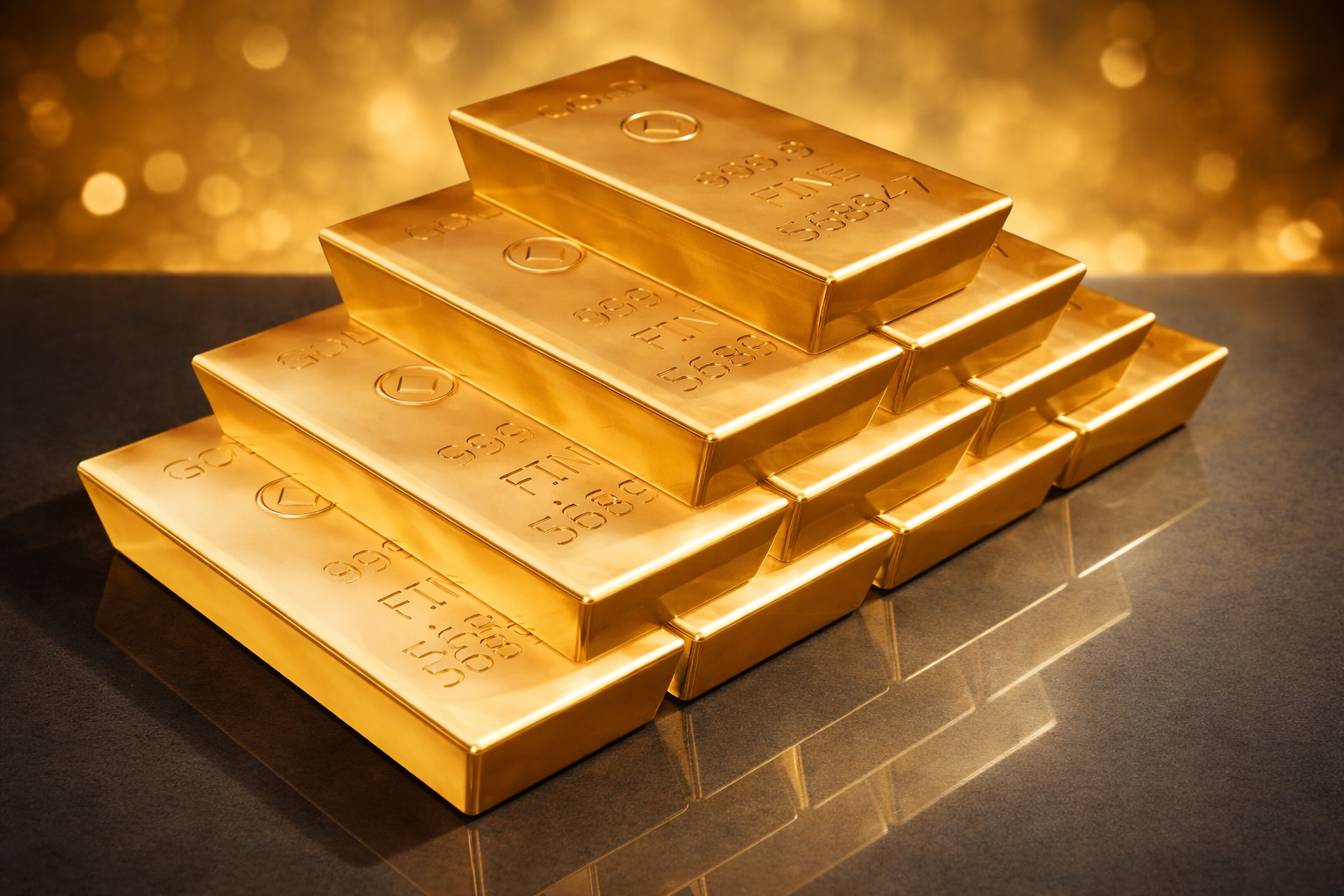
For gold investment in Nepal, 24K gold is widely regarded as the best option due to its highest purity level, international recognition, and strong long-term value retention. As the purest form of gold available in the Nepali market, 24K gold offers superior resale potential and price transparency. In comparison, 22K gold may be considered by buyers looking for a balance between high gold purity and limited durability, though it is more commonly associated with jewelry rather than pure investment. Understanding gold purity levels, investment objectives, resale value, and market liquidity is essential when selecting the right form of gold in Nepal.
From an investment standpoint, gold bars and gold coinsare preferred over gold jewelry, as making charges, labor costs, and wastage significantly reduce net returns at the time of resale. Purchasing gold from authorized sellers or trusted jewelers who strictly follow the official daily gold rate in Nepal helps ensure fair pricing and authenticity. Gold purities below18K contain a higher percentage of alloy metals, which lowers intrinsic gold value, reduces resale demand, and creates pricing inconsistencies, making such purities unsuitable for long-term gold investment in Nepal.
For weddings and traditional events in Nepal, 22K gold is the preferred standard, as it aligns with cultural expectations, traditional craftsmanship, and ceremonial importance. It offers high purity while remaining durable enough for occasional wear during weddings, festivals, and other celebrations.
Most traditional Nepali ornaments, religious jewelry, and bridal sets are crafted in 22K gold because it provides a rich yellow color, lasting shine, and strong resale value. Additionally, 22K gold jewelry is widely accepted across jewelers in Nepal, making it easier to exchange, upgrade, or resell in the future.
Families often prefer 22K gold for heirloom pieces, ensuring the jewelry can be passed down for generations. Its combination of beauty, cultural significance, and investment potential makes it the most trusted choice for weddings and traditional occasions. Choosing 22K gold also guarantees authenticity when purchasing from certified jewelers and helps maintain fair pricing according to the official daily gold rate in Nepal.
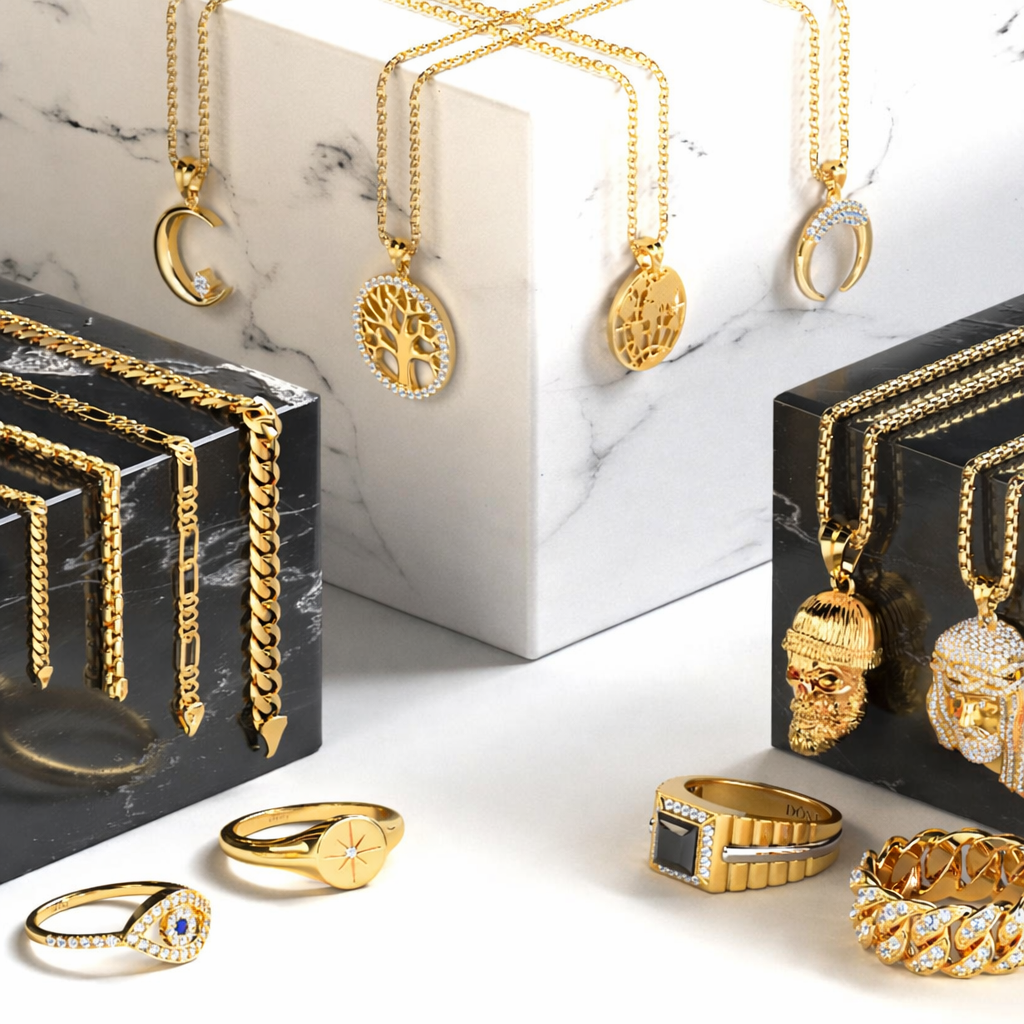
For jewelry intended for daily wear, 18K gold is the best option due to its superior strength and durability. While 22K gold can be worn carefully, 24K gold is too soft and may bend, scratch, or lose shape with regular use. Choosing the right karat ensures your jewelry maintains its design, shine, and longevity over time.
Daily wear pieces like rings, bracelets, and necklaces benefit from 18K gold’s balance of purity and hardness, making them suitable for modern, practical lifestyles. Investing in higher-durability gold also reduces maintenance costs and preserves resale value. Always consider your lifestyle and how often the jewelry will be worn when selecting the appropriate karat.

When buying gold as a gift in Nepal, consider the recipient's preferences, style, and the occasion. Traditional recipients often prefer 22K gold for its cultural significance and ceremonial value, while younger or modern recipients may favor 18K gold or alloyed designs with different colors like rose or white gold. Budget considerations also play a role, as lower purities such as 18K can offer more affordable gifting options without compromising beauty or elegance.
Additionally, gifting hallmarked gold ensures authenticity and adds trust, especially for high-value pieces. For special occasions such as weddings, anniversaries, or religious events, choosing the right karat and design can make the gift both meaningful and long-lasting. Always purchase from reputable jewelers to ensure quality, accurate purity, and fair pricing.
Following this helps Nepali buyers select the best gold puritybased on purpose, durability, investment value, and cultural expectations. Whether you are investing, preparing for a wedding, buying daily wear jewelry, or giving gold as a gift, understanding karat levels ensures you make an informed decision.
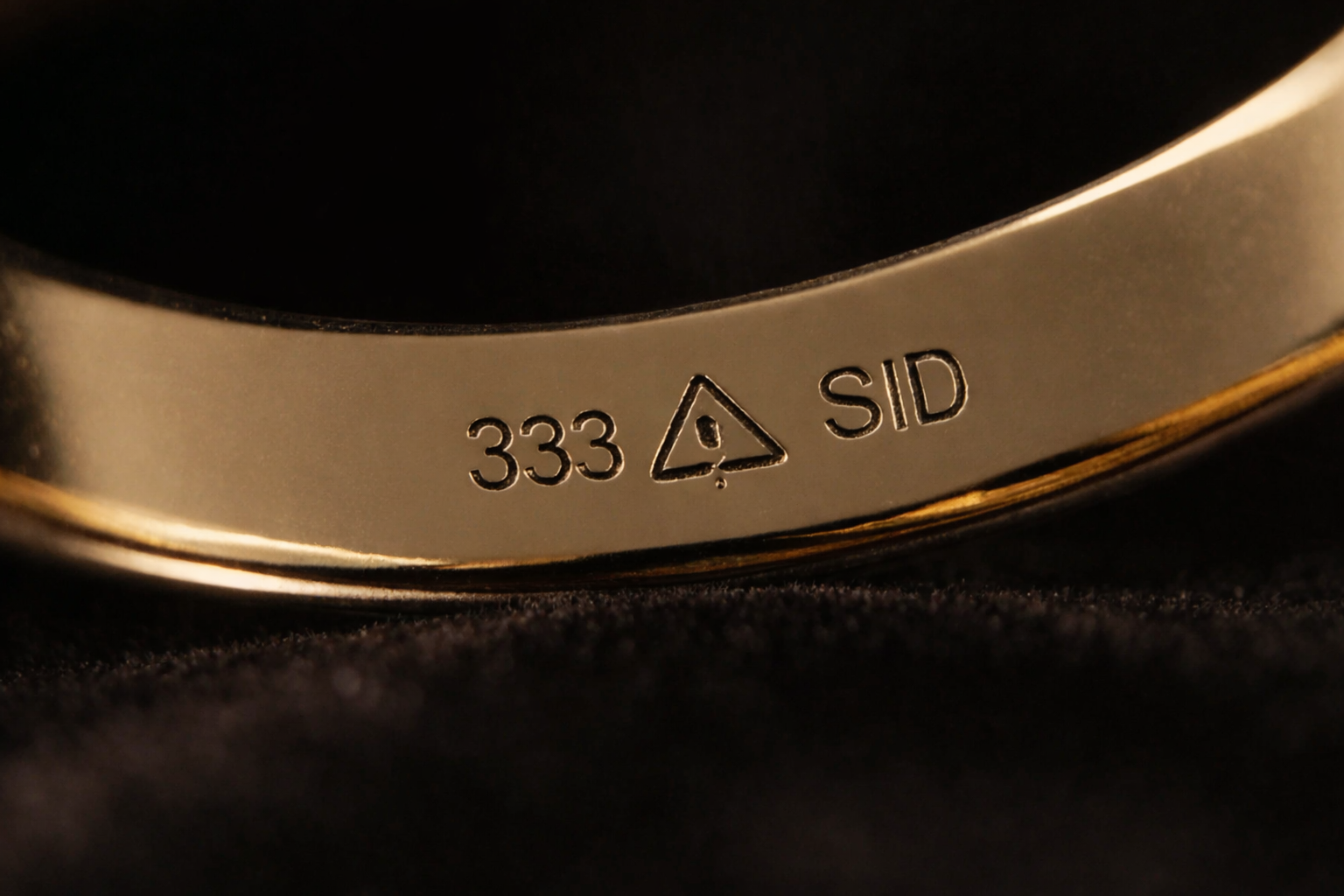
A hallmark is an official certification that guarantees the purity of gold jewelry. It is typically a small stamp or engraving on the jewelry itself, issued and verified by a government-approved or authorized hallmarking body. Hallmarks provide buyers with confidence that the gold content matches the stated karat or purity level, protecting against counterfeit or adulterated gold in Nepal.
Hallmarking in Nepal is gradually being implemented, though it is not yet mandatorynationwide. Many jewelers follow standards recognized by the Bureau of Indian Standards (BIS), which is widely accepted for verifying 22K and 24K gold. The Nepal Bureau of Standards is responsible for regulating gold purity, ensuring hallmarked jewelry meets quality requirements. Implementation is ongoing, and more jewelers are adopting hallmark stamps to assure customers of gold authenticity.
The first step to verify gold purity in Nepal is to check for a hallmark on the jewelry. Look for the stamp indicating karat (e.g., 22K, 916) along with the hallmarking center and jeweler’s identification mark. A genuine hallmark confirms that the gold has been officially tested and meets the stated purity standards. This protects buyers from counterfeit or under-purity gold and ensures fair pricing during purchase, resale, or exchange in Nepal’s gold market. Buyers should always purchase hallmarked goldfrom licensed jewelers or authorized dealers to ensure authenticity and long-term resale value. For added assurance, purity can also be verified using XRF testing or by requesting a purity certificate at the time of purchase.
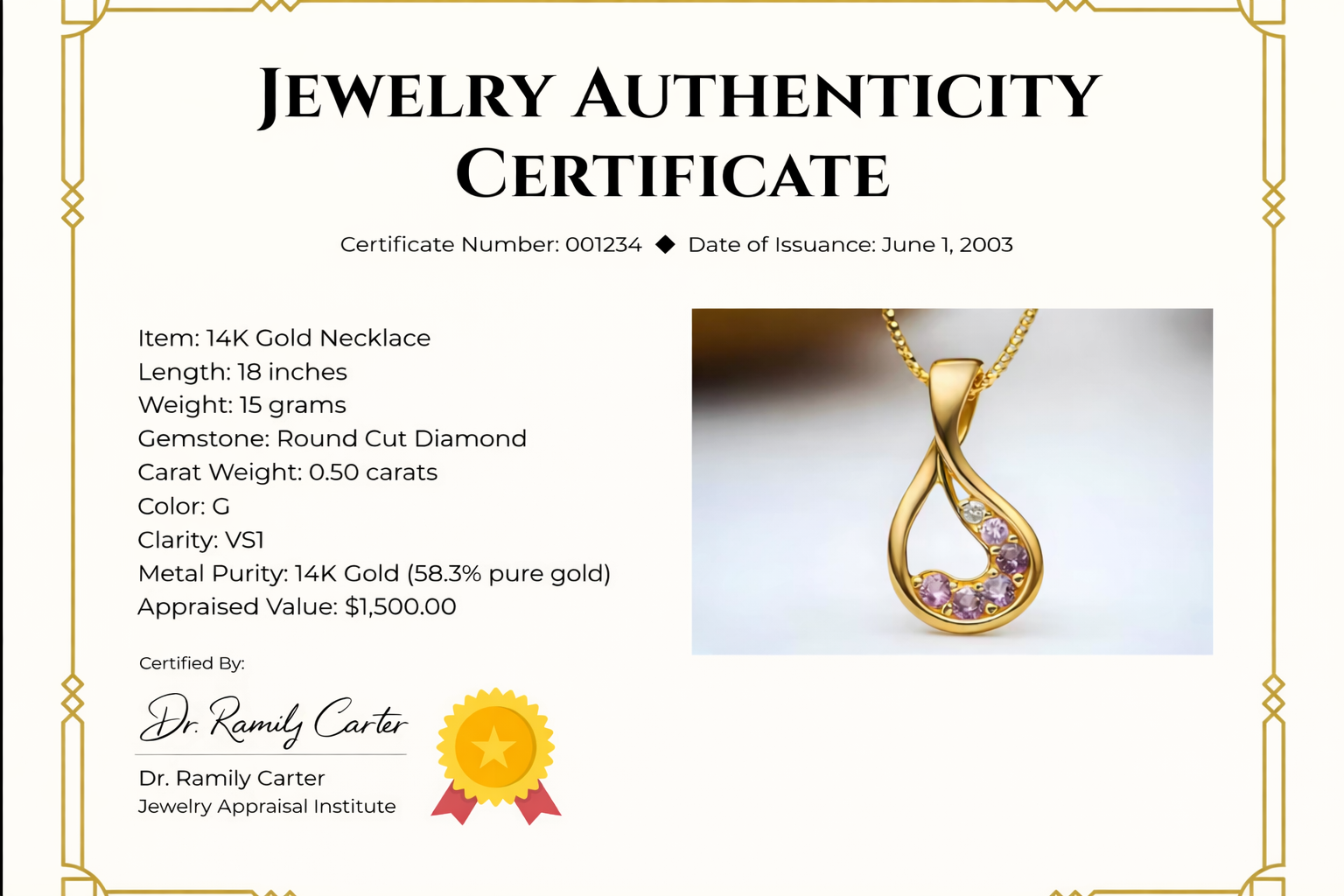
Always request a gold purity certificate from the seller. It should include details such as karat/purity, weight, hallmarking center, jeweler’s identification, and date of certification. A valid certificate acts as written proof of authenticity and purity at the time of purchase. Certificates issued by authorized testing laboratories or recognized institutions in Nepal provide added confidence, improve resale value, and protect buyers from disputes or misrepresentation in the future. Buyers should store this certificate securely along with the purchase invoice, as it is often required during resale, exchange, insurance claims, or buyback transactions. Verifying that the certificate matches the item’s hallmark ensures transparency and strengthens trust in Nepal’s gold market.
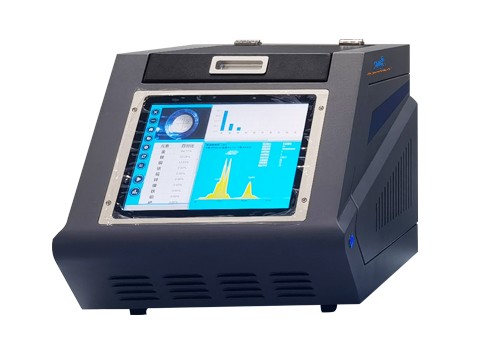
Modern jewelers may use XRF machines (X-ray fluorescence) for non-destructive testing. This advanced method instantly analyzes the metal composition and accurately measures gold purity without damaging the jewelry. Many reputable Nepali jewelers now offer on-site XRF testing, allowing buyers to verify gold purity in real time. Electronic testing is one of the most reliable, transparent, and convenient ways to confirm gold authenticity before purchase or resale. Buyers looking to test gold purity in Nepal should prefer jewelers equipped with certified XRF machines and trained technicians. This method is especially useful for verifying old, imported, or inherited gold where purity is uncertain.
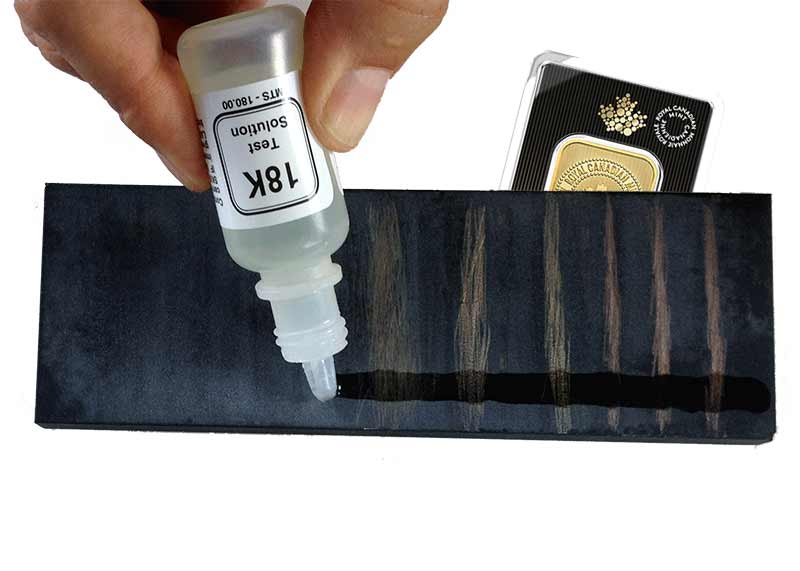
Acid testing is a traditional method used to check gold purity. A small scratch is made on the jewelry, and different acid solutions are applied to observe the reaction and estimate the karat level. While this method has been widely used in Nepal for years, it is slightly destructive and requires skilled handling for accurate results. Compared to modern XRF testing, acid testing may provide approximate purity but is less precise and not ideal for high-value or finished jewelry. Buyers should avoid acid testing on ornamental or branded jewelry unless performed by experienced professionals. For better accuracy and safety, many experts in Nepal now recommend XRF testing or hallmark verification as the preferred gold purity checking methods.
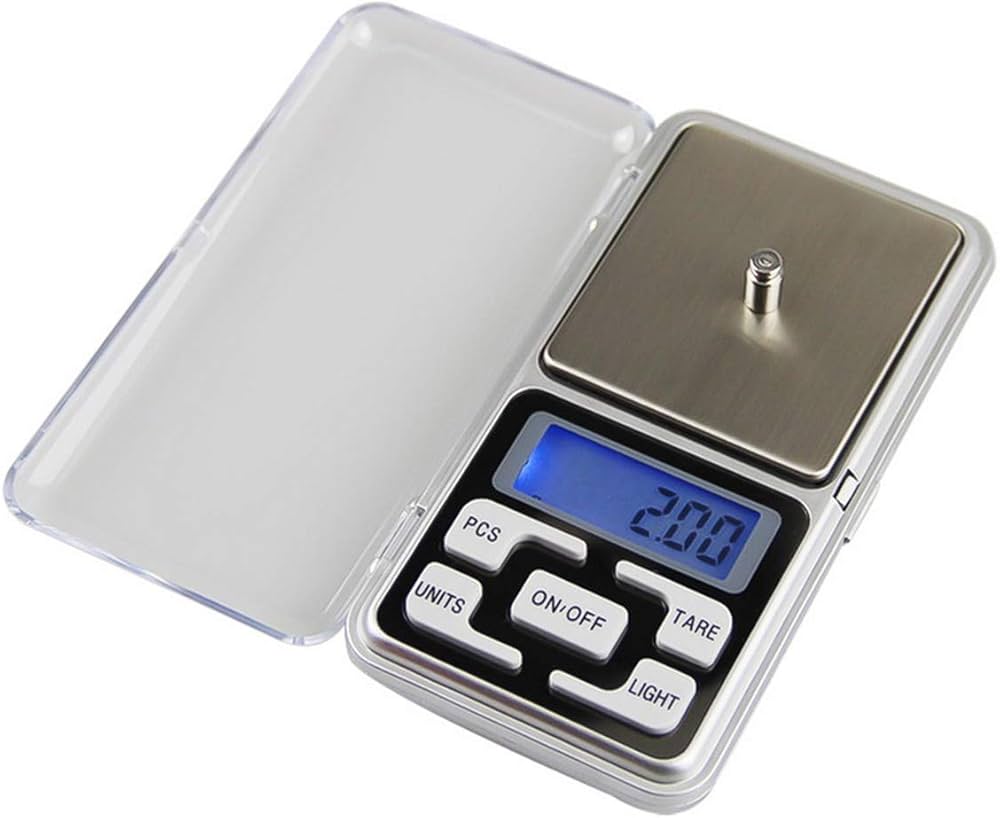
Always confirm the weight of gold before purchase and calculate the price according to the current market rate for the stated purity. Ensure the weight is measured in front of you using a calibrated digital scale to avoid discrepancies. Cross-check the final price with the official daily gold rate published in Nepal for that purity. Using a trusted calculator, such as our gold and silver price calculator, helps verify accurate pricing, compare offers, and prevents overpaying for gold jewelryor investment. Buyers should also confirm whether the displayed weight includes stones, clasps, or non-gold components, as these should not be charged at gold rates. Getting the weight and rate clearly mentioned on the invoice ensures transparency, protects consumer rights, and improves resale value in Nepal’s gold market.
In Nepal, gold can be tested at authorized laboratories approved by the Nepal Bureau of Standards.These centers use certified equipment and standardized procedures to provide accurate gold purity testing and official certification. Testing costs vary depending on the weight of the jewelry and the method used, such as XRF or chemical analysis. Although there is a small fee, this verification protects buyers from fraud, supports fair resale value, and ensures confidence in high-value gold purchases. Contact local jewelers or the Nepal Bureau of Standards to locate the nearest authorized testing center.
By following these steps—checking for hallmarks, requesting a purity certificate, using electronic or acid testing, verifying weight and price, and visiting authorized centers—Nepali buyers can confidently verify the authenticity and purity of gold. This protects your investment, ensures fair pricing, and guarantees the quality of the jewelry you purchase.
The price of goldin Nepal varies based on purity (karat), weight, and market demand. Even though 22K gold contains approximately 91.6% pure gold, its price is not exactly 91.6% of 24K gold due to the cost of added alloys and processing. Alloys such as copper, silver, or zinc improve durability and allow jewelers to craft intricate designs, which slightly increases the overall price.
| Purity | Price per Tola | Price per 10g | For 20g Jewelry |
|---|---|---|---|
| 24K | NPR 249,700 | NPR 211,000 | NPR 422,000 |
| 22K | NPR 227,900 | NPR 192,000 | NPR 384,000 |
| 18K | NPR 186,000 | NPR 156,000 | NPR 312,000 |
Calculation methodology: The price per tola or gram is determined by the international gold rate, adjusted for local market demand, purity, and alloy composition. For example, 22K gold is not exactly 91.6% of 24K gold in price because the alloys used to increase strength, durability, and workability add a small additional cost. Similarly, making intricate jewelrywith 22K or 18K gold may include labor charges that slightly affect the final price.
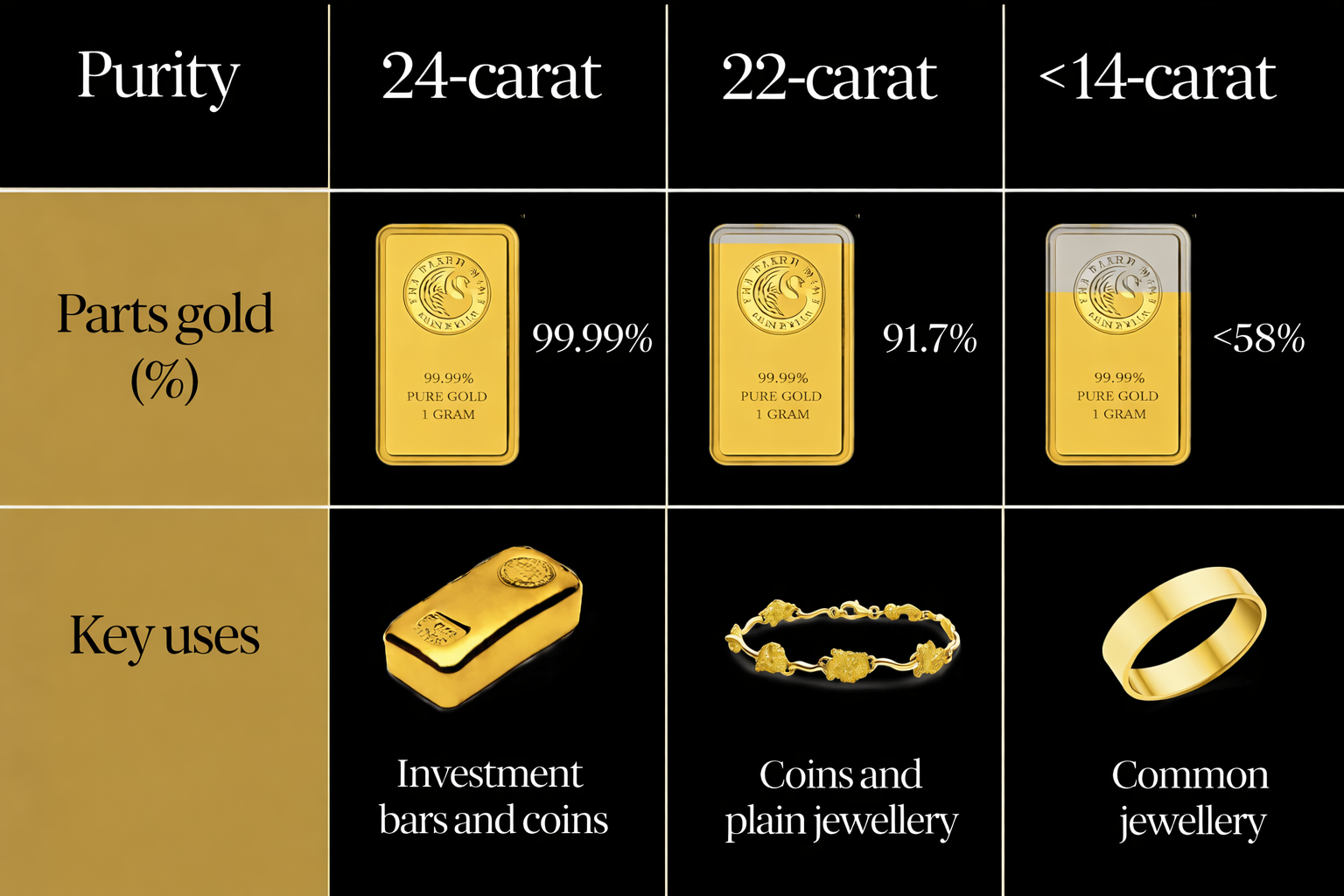
Understanding how gold price varies by purity helps Nepali buyers make informed decisions, whether for investment, traditional jewelry, or daily wear. By comparing rates per tola or per gram across different purities, buyers can evaluate affordability while considering durability, aesthetics, and cultural preferences.
In Nepal, cultural and traditional practices strongly influence gold buying choices.22K gold is the preferred standard for most jewelry, especially for weddings, festivals, and religious occasions. Its combination of high purity and relative durability makes it ideal for crafting intricate ornaments that last through generations. By contrast, 24K gold is rarely used for jewelry due to its softness; it bends easily and cannot retain delicate designs, making it more suitable for investment, coins, or temple offerings.
Regional variations in Nepal may slightly influence gold preferences. For example, in urban centers like Kathmandu and Pokhara, younger buyers are increasingly open to 18K gold or alloyed designs for daily wear and modern jewelry, while rural areas continue to prioritize traditional 22K gold. Despite these trends, cultural expectations for weddings remain strong, with families favoring 22K jewelry for bridal sets, ceremonial necklaces, and traditional ornaments.
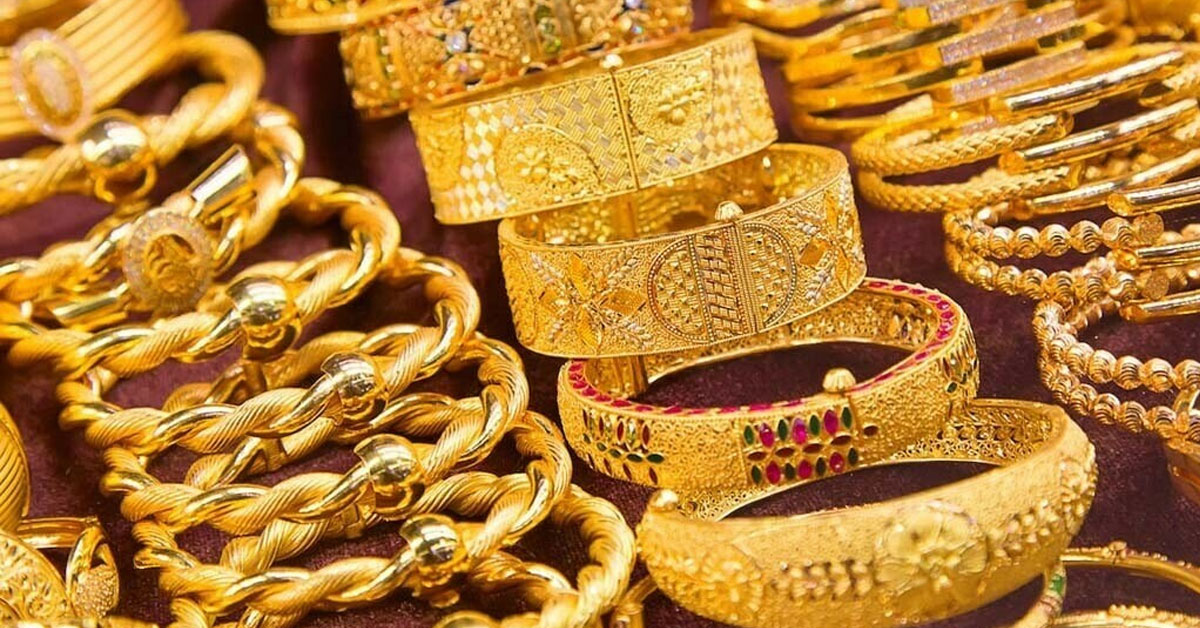
The younger generation is gradually exploring modern and colored gold options, such as rose gold and white gold, for fashion and gifting purposes. However, even with changing trends, wedding jewelryin Nepal still largely adheres to 22K gold as a symbol of tradition, purity, and investment value. Understanding these cultural preferences helps buyers select gold that meets both aesthetic and ceremonial expectations in Nepal.