
Gold Pricein Nepal Today
Loading...
Buying gold is a significant investment, whether you are purchasing it for personal use, cultural value, or long-term financial security. In countries like Nepal, gold plays an important role in traditions, savings, and wealth preservation. However, making the right gold purchase requires proper knowledge, planning, and awareness of market factors.
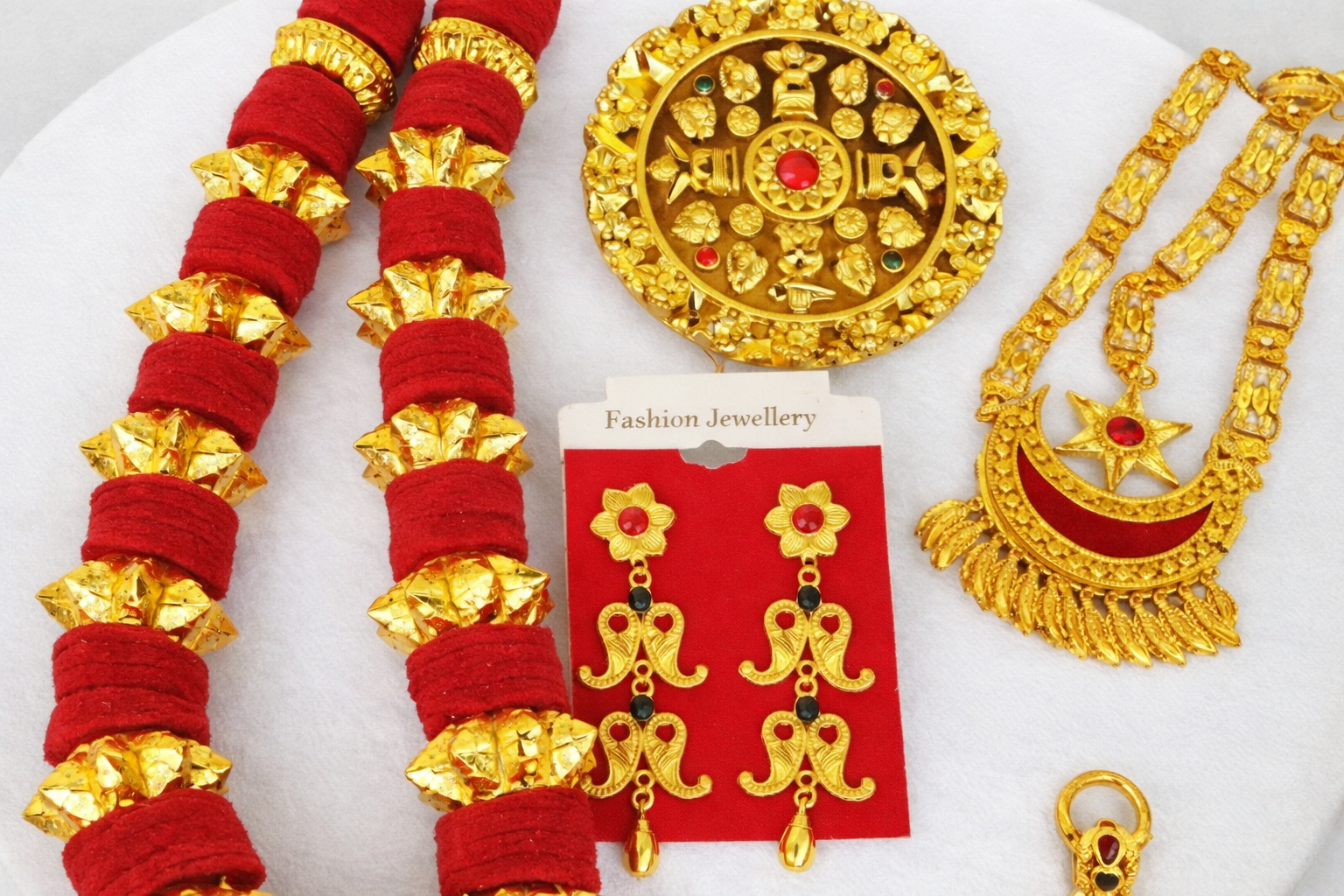
Gold jewelry is the most commonly purchased form of gold in Nepal, offering a wide variety of necklaces, rings, bangles, earrings, chains, and traditional ornaments. Available in both traditional and modern designs, jewelry is usually made in 22K or 24K gold. Making charges apply, which can significantly affect the final price. Many buyers prefer 22K gold for its durability and traditional appeal, while 24K gold is popular for investment purposes due to its high purity. When purchasing gold jewelry, it is important to check for proper hallmarking and certification to ensure authenticity and avoid fraud. Comparing prices, making charges, and designs across licensed jewelers can help you get the best value for your investment. Additionally, buying during festivals or wedding seasons may increase making charges, so planning ahead can save costs and maximize your return.
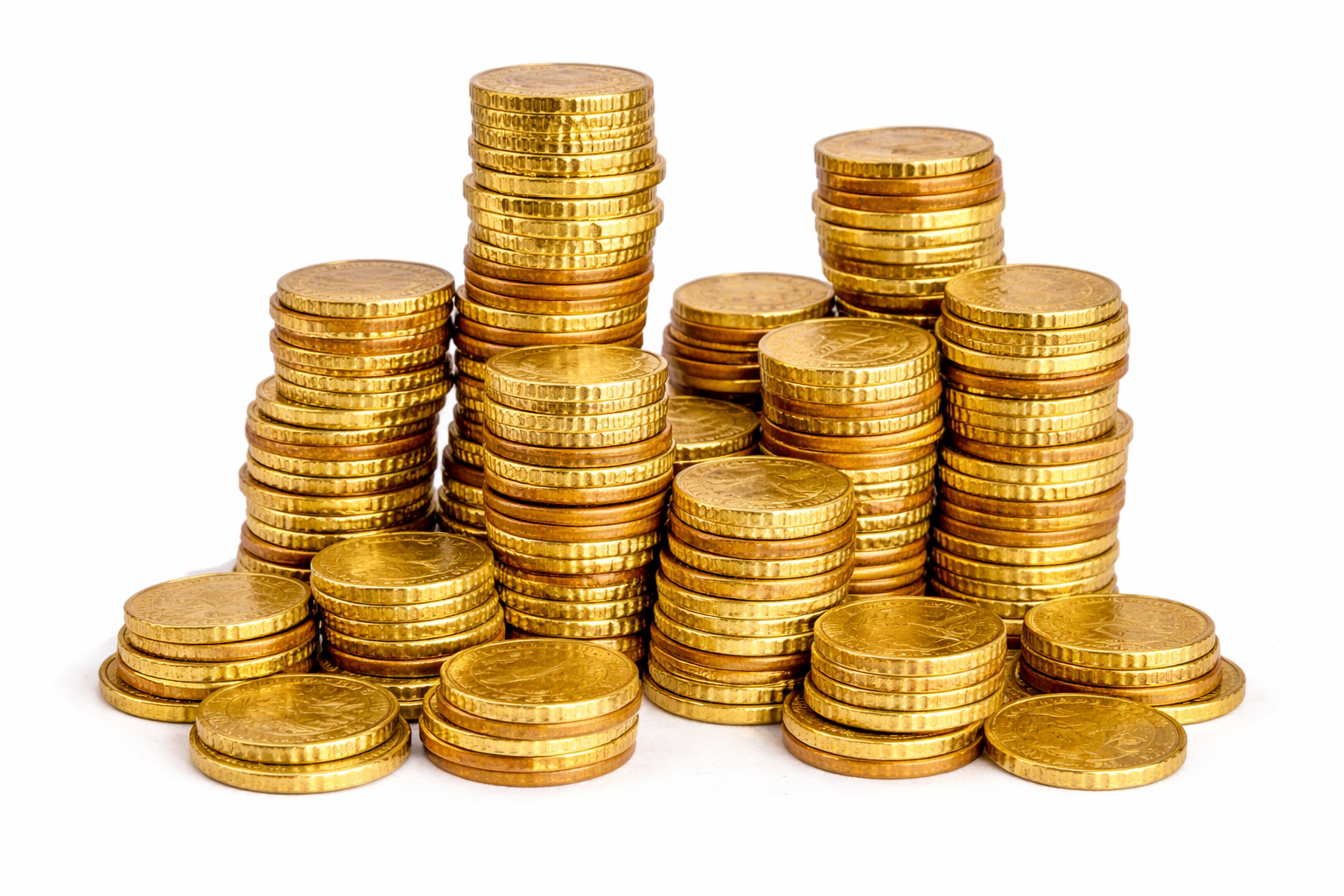
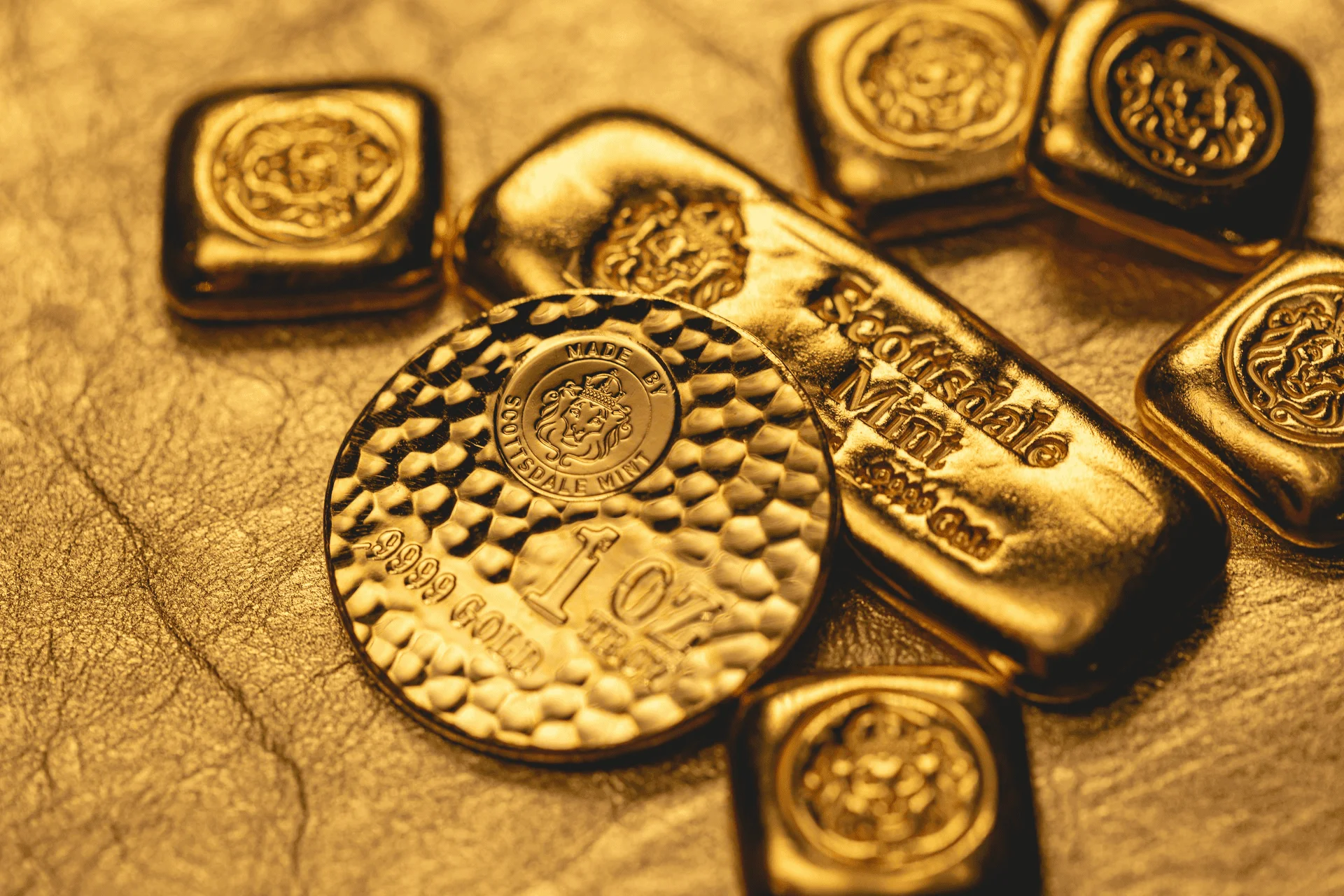
Gold Coins are investment-grade products, usually made of 24K pure gold, offering a reliable way to preserve wealth in Nepal. They are available in various weights such as 1g, 5g, 10g, and 1 tola, making them suitable for both small and large investments. With limited making charges and high resale value, gold coins are ideal for investors looking for long-term security and for gifting on special occasions. Gold coins also come with official certification and hallmarking, ensuring authenticity and purity, which adds to buyer confidence. Unlike jewelry, coins are easy to store, trade, and liquidate at prevailing market rates, making them a preferred choice for financial planning and strategic gold investment. Buyers should always compare daily gold rates in Nepal and purchase from licensed jewelers, banks, or authorized dealers to maximize returns and ensure transparency.
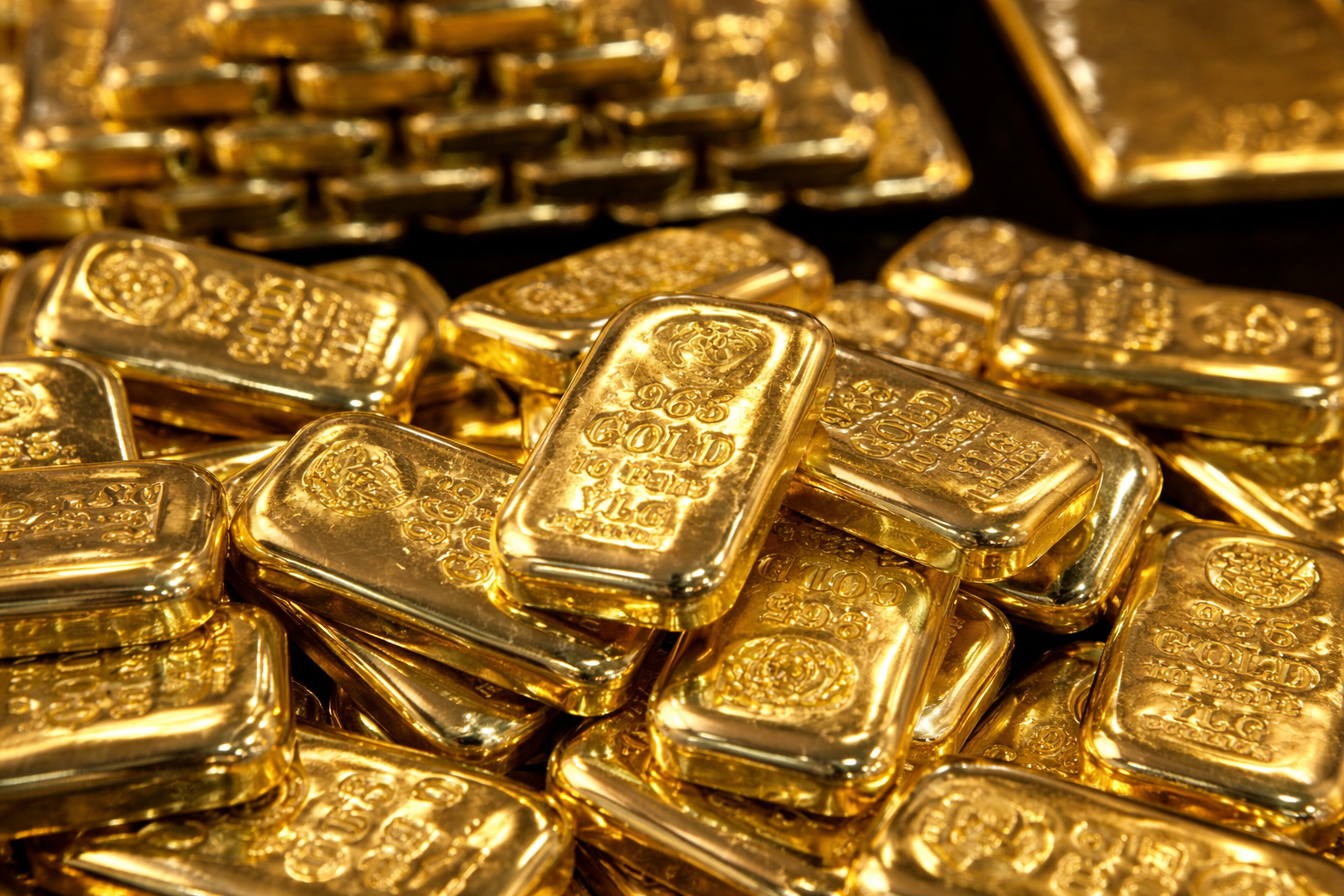
Gold Bars / Biscuits are pure investment-grade gold products, typically made of 24K gold, designed for serious investors seeking long-term wealth preservation in Nepal. They are available in larger quantities, such as 10g, 50g, 100g, or 1kg, offering flexibility for different investment goals. Gold bars come with minimal premiums over the official gold rate and very low making charges, making them one of the most cost-effective ways to invest in gold. These bars are hallmarked and certified for purity and authenticity, providing confidence to buyers. Unlike jewelry, gold bars do not carry design or fashion-related costs, making them ideal for secure storage, easy resale, and portfolio diversification. Investors should always compare daily gold prices in Nepal and buy from authorized dealers or banks to ensure transparent pricing and maximum returns.
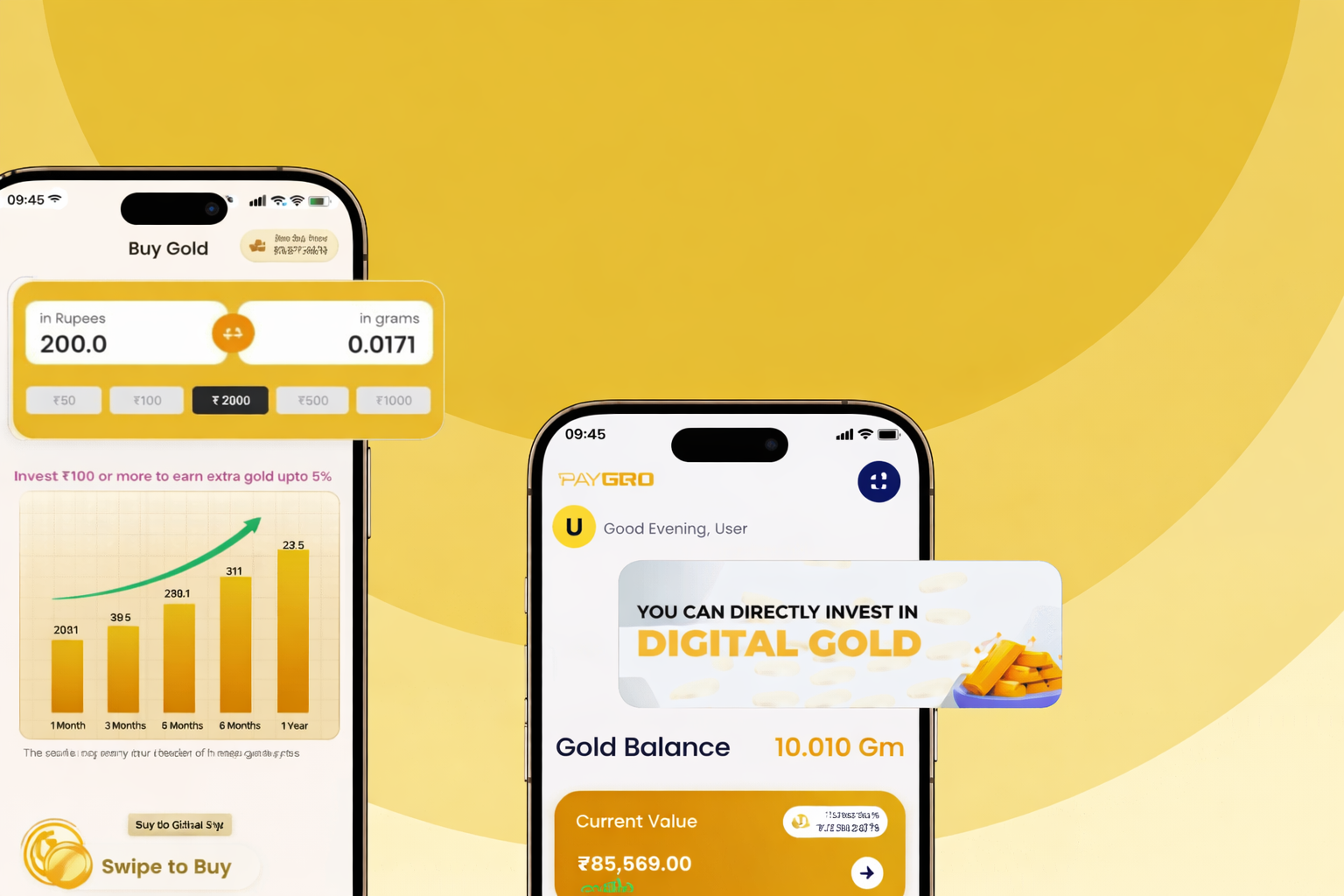
Digital Gold allows investors to buy and sell gold through mobile apps or online platforms without the need for physical storage. This makes it a convenient option for beginners and tech-savvy investors who want exposure to gold without handling jewelry or bars. While digital gold offers easy liquidity, transparency in pricing, and fractional investment options, its availability in Nepal is currently limited and not all platforms are regulated. Investors should carefully verify the legitimacy of the platform, check for proper certification, and understand fees before investing. Digital gold can be an effective way to diversify a gold portfolio, track prices in real-time, and participate in the gold market with minimal hassle compared to traditional physical gold purchases.
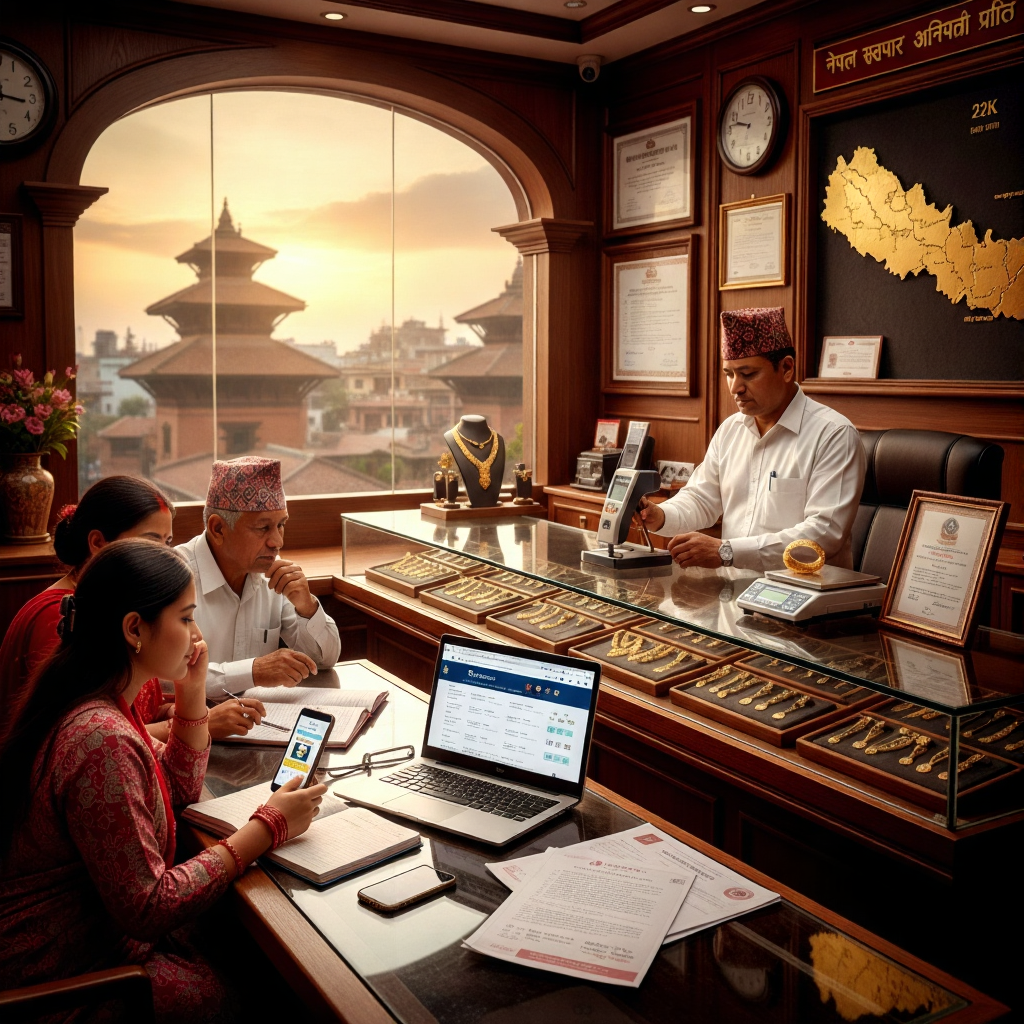
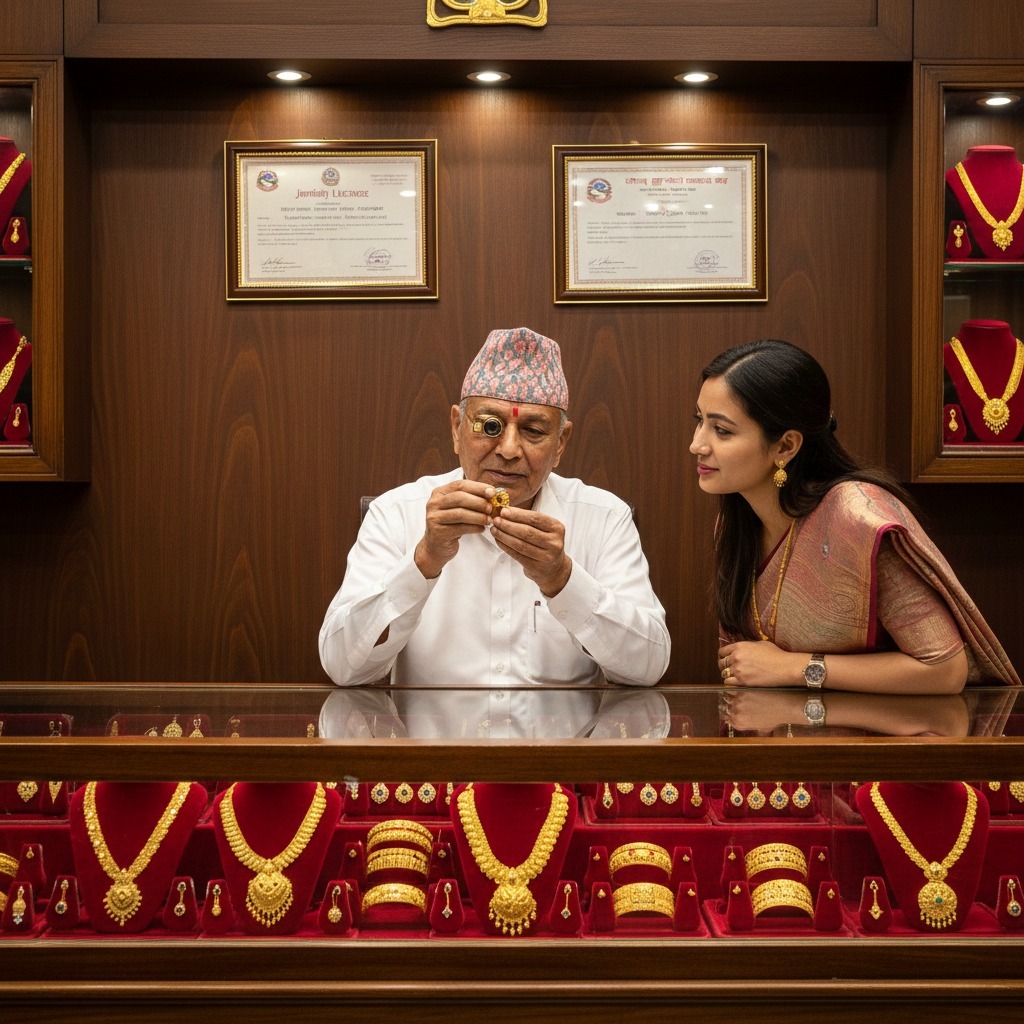
Licensed jewelers are the most common and preferred option for buying gold in Nepal. They offer a wide variety of gold products, including necklaces, rings, bangles, earrings, chains, and bridal jewelry. One of the biggest advantages of purchasing from licensed jewelers is immediate possession, allowing buyers to inspect the design, weight, and craftsmanship before making a purchase.
Buyers should always check for proper licensing and certification to ensure gold purity and fair pricing. Reputed jewelry markets in Nepal include New Road and Indrachowk in Kathmandu, as well as established local markets in major cities. Purchasing from licensed jewelers reduces the risk of adulteration and ensures better resale value in the future.
In addition to product variety and authenticity, licensed jewelers often provide warranties, hallmark certification, and buyback options, which add extra security for buyers. Comparing making charges, gold rates, and designs across multiple licensed jewelers can help you get the best value. Whether you are buying gold jewelry for investment, weddings, or gifting, choosing a licensed and reputable jeweler in Nepal ensures transparency, quality assurance, and long-term resale benefits, making your gold purchase safe and worthwhile.
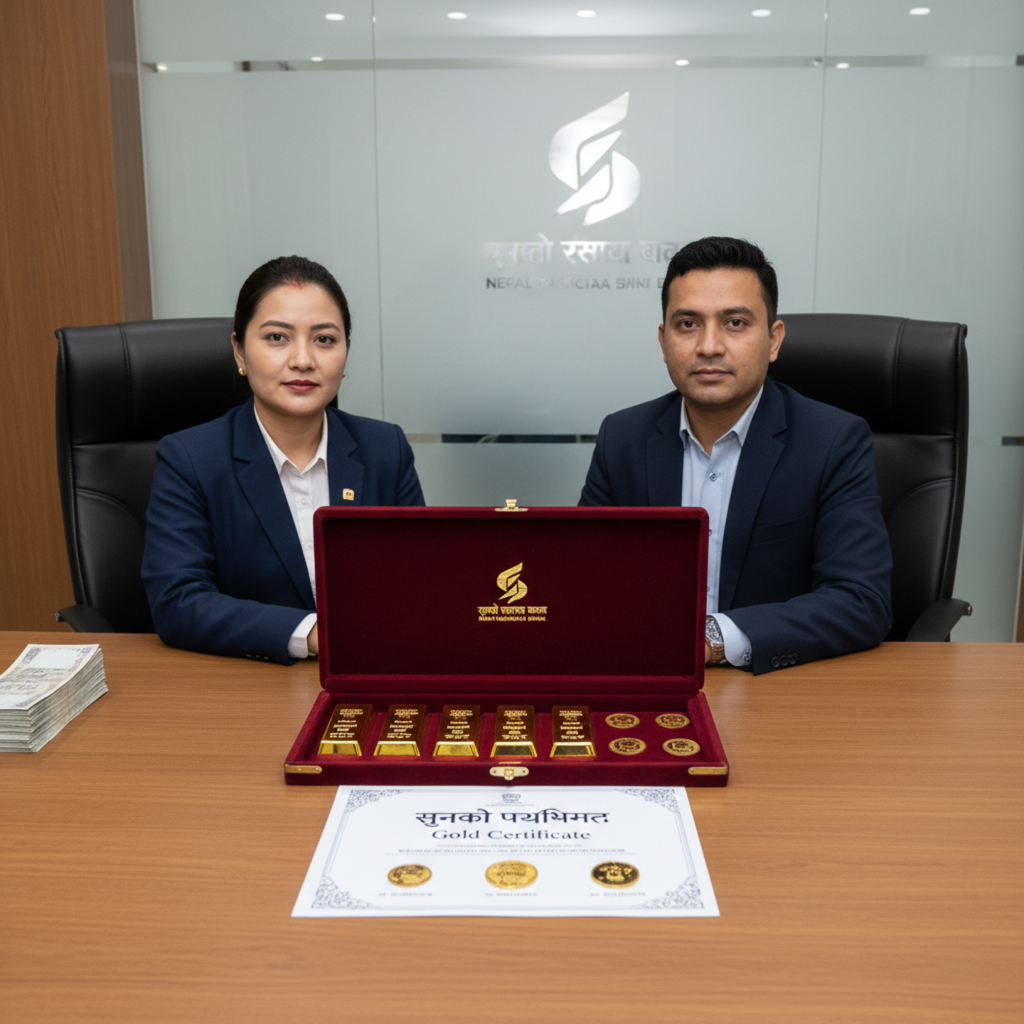
Some banks in Nepal sell gold coins, primarily for investment purposes. Buying gold from banks offers a high level of trust and assurance, as the gold is certified and meets strict quality standards. This option is ideal for buyers who prioritize security and authenticity over variety.
However, banks usually offer a limited product range, mainly gold coins in fixed weights rather than jewelry. Availability may vary, and not all banks provide gold-selling services. Interested buyers should check with their respective banks regarding current availability and pricing. Additionally, buyers should compare bank gold rates with licensed jewelers to ensure they are getting competitive pricing and verify that all coins come with proper certification and authenticity guarantees.
When buying gold from banks in Nepal, it is important to compare rates with licensed jewelers to ensure you are getting a competitive price. Banks provide certified 24K gold coins that are ideal for investment and long-term wealth preservation, with minimal making charges. This makes them a secure choice for first-time investors or buyers seeking hassle-free, transparent transactions. Always verify the gold certificate and ask about resale or redemption policies before purchasing.
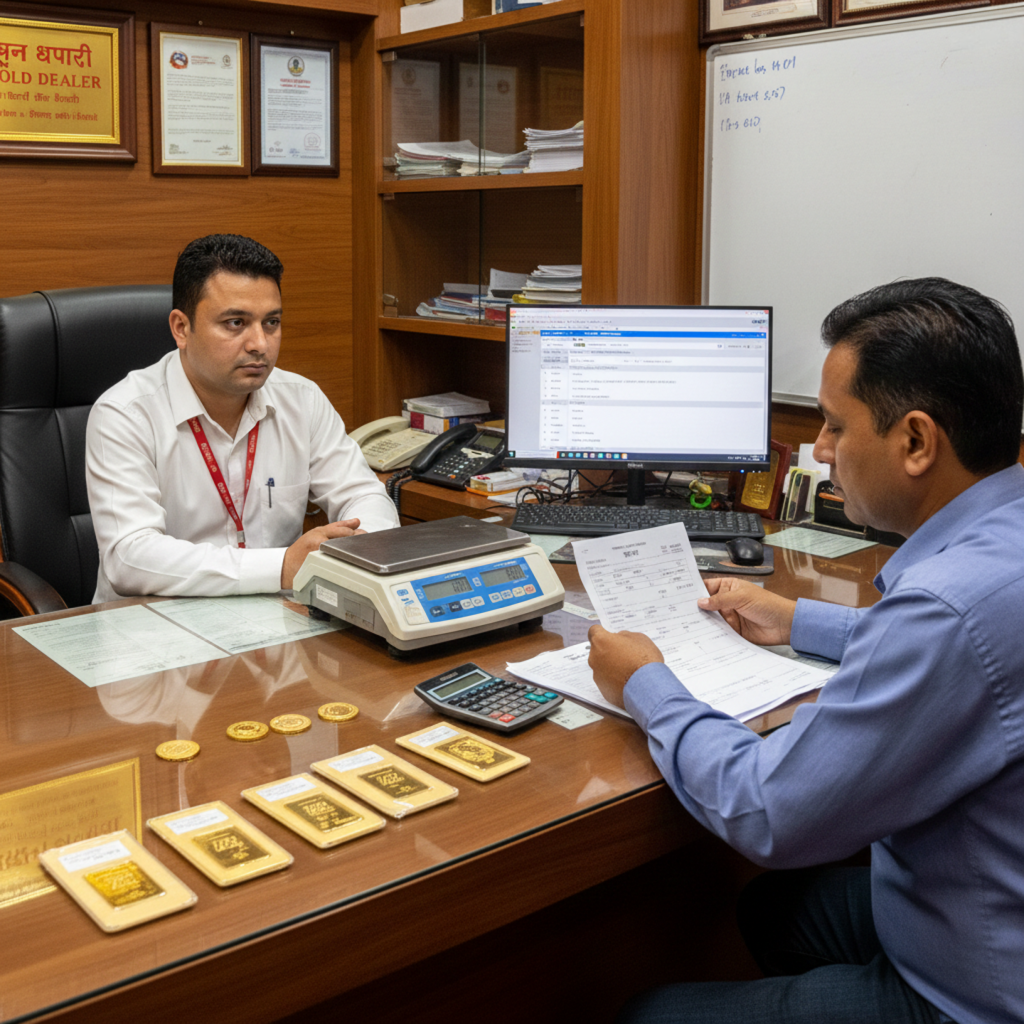
Authorized gold dealers specialize in selling investment-grade gold, such as gold bars and coins. These dealers are often preferred by serious investors looking to buy gold in bulk quantities. One key advantage is better pricing for larger purchases, as premiums over the daily gold rate are usually lower.
While authorized dealers offer high purity and competitive rates, they generally have limited or no jewelry options. This makes them less suitable for buyers looking for decorative or ornamental gold, but an excellent choice for pure investment purposes. Buyers should ensure the dealer provides hallmarked and certified gold, along with proper documentation for bulk purchases. Authorized dealers are ideal for long-term investors looking to buy gold bars or coins at minimal premiums over the official gold rate, with transparency in pricing and better resale value in Nepal’s gold market.
Buyers choosing authorized gold dealers in Nepal should ensure the dealer is properly licensed and offers certified, hallmarked gold. These dealers provide transparency in pricing, minimal making charges, and documentation for bulk investments, making them ideal for portfolio diversification. Comparing rates and services among multiple authorized dealers can help investors secure the best value, while also ensuring authenticity and long-term resale benefits for gold bars and coins.
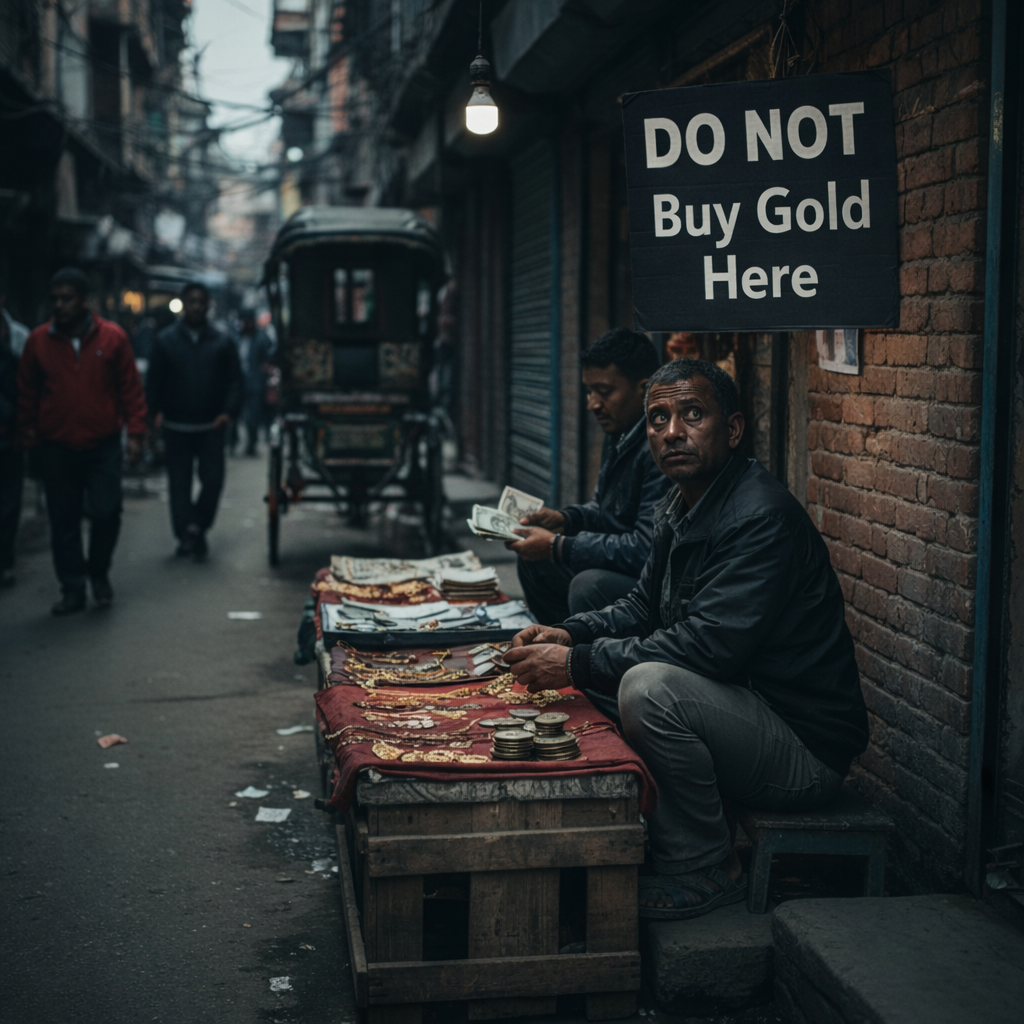
Buyers should avoid purchasing gold from unlicensed dealers, street vendors, or unknown sellers offering unusually low prices. Such sources often lack proper certification and may sell impure or underweight gold.
Online offers that seem too good to be true and unverified social media sellers should also be avoided. These platforms pose a high risk of fraud, counterfeit gold, and financial loss. Buyers should always check for proper certification, hallmarks, and reviews before considering any online gold purchase. Choosing trusted and authorized sources, such as licensed jewelers, banks, or authorized gold dealers, helps protect your investment, ensures authenticity, and maintains long-term resale value in Nepal’s gold market. Planning purchases through verified channels also reduces the risk of scams and provides peace of mind for both gifting and investment purposes.
To safeguard your gold investment in Nepal, always verify the seller's credentials, licenses, and customer reviews before making a purchase. Avoid sources without proper hallmarking or documentation, as these may compromise gold purity and resale value. Prioritizing licensed jewelers, banks, or authorized dealers ensures transparency, protects against fraud, and provides reliable buyback or exchange options, giving buyers peace of mind and long-term security.
Before buying gold, take time to research and compare multiple jewelers. Visit different stores to understand price differences, design quality, and making charges. Some jewelers may offer lower making charges or seasonal discounts, while others may focus on premium craftsmanship.
Check online reviews, customer feedback, and local reputation to ensure reliability. Avoid rushing your decision, as gold is a long-term investment. Comparing options helps you get better value and protects you from overpaying.
Always verify the gold rate for the day before making a purchase. In Nepal, daily gold prices are set by FENEGOSIDA and followed by licensed jewelers nationwide.
Use our gold price today to confirm the official rate and ensure the jeweler is using the correct base price. Rates should be consistent across licensed sellers, with differences only in making charges.
Choose your gold item based on your purpose. Jewelry buyers should focus on design, comfort, and durability, while investors should prioritize purity and weight.
Consider gold purity carefully and refer to our gold purity in nepal if needed. Inspect craftsmanship closely and confirm the weight of the item before proceeding.
Always check for a hallmark stamp indicating gold purity. Ask the jeweler to weigh the item in front of you using a calibrated scale. This ensures transparency and accuracy.
Understand the difference between gross weight and net gold weight. For jewelry containing stones or other materials, clarify the stone weight separately so you are charged only for the gold content.
Ask for a clear breakdown of costs, including gold price, making charges, and GST. Making charges may be a percentage of gold value or a flat rate depending on design complexity.
Making charges are often negotiable, especially on heavier jewelry. Refer to our Gold Making Charges and ensure all charges are mentioned in writing.
Gold: 10 grams of 22K
Gold rate: NPR 109,920 per 10g
Making charge: 15%
GST on making: 13%

Gold cost: NPR 109,920
Making: 15% × 109,920 = NPR 16,488
GST: 13% × 16,488 = NPR 2,143
Total: NPR 128,551
Use our gold price calculator to verify calculations. Always ask for a written quotation before finalizing the purchase.
Asking the right questions protects you from hidden charges, incorrect purity claims, and resale issues. Confirm the gold rate, purity, net weight, making charges, hallmarking, certificates, buyback policy, warranty, and return conditions.
These questions ensure transparency, legal protection, and long-term value. A trustworthy jeweler will answer clearly and provide documentation without hesitation.
Before paying, verify that the tax invoice includes complete details such as date, jeweler’s information, item description, weight, purity, gold rate, making charges, GST, and total amount.
Ensure you receive a purity certificate, warranty card (for jewelry), and keep your own photographs of the item for future reference.
Prefer bank transfer or card payments to maintain a clear financial record. If paying in cash, always obtain a proper receipt.
Never pay the full amount before inspecting the item. For custom orders, understand advance payment and delivery policies clearly.
Store your invoice, purity certificate, and warranty card safely. Photograph the jewelry along with the invoice for records.
Note buyback terms and consider registering high-value jewelry for insurance to protect your investment.
Negotiating making charges is one of the most effective ways to reduce the total cost of buying gold jewelry in Nepal. While the daily gold rate is fixed based on the official FENEGOSIDA gold price, making charges vary widely between jewelers. Understanding when negotiation is possible can help you get better value without compromising on quality.
Negotiation is usually possible when purchasing gold jewelry, not investment gold like coins or bars. Simple designs typically offer more flexibility compared to heavy handcrafted or designer jewelry. Jewelers may also be more open to negotiation during slow business periods, end-of-season sales, or when inventory turnover is high.
Bulk purchases give buyers strong leverage. If you are buying multiple jewelry items or heavier pieces, jewelers are more likely to reduce the making charge percentage or offer a flat-rate deal. Festival seasons such as Dashain, Tihar, and wedding seasons often come with promotional discounts or reduced making charges, making it an ideal time to buy.
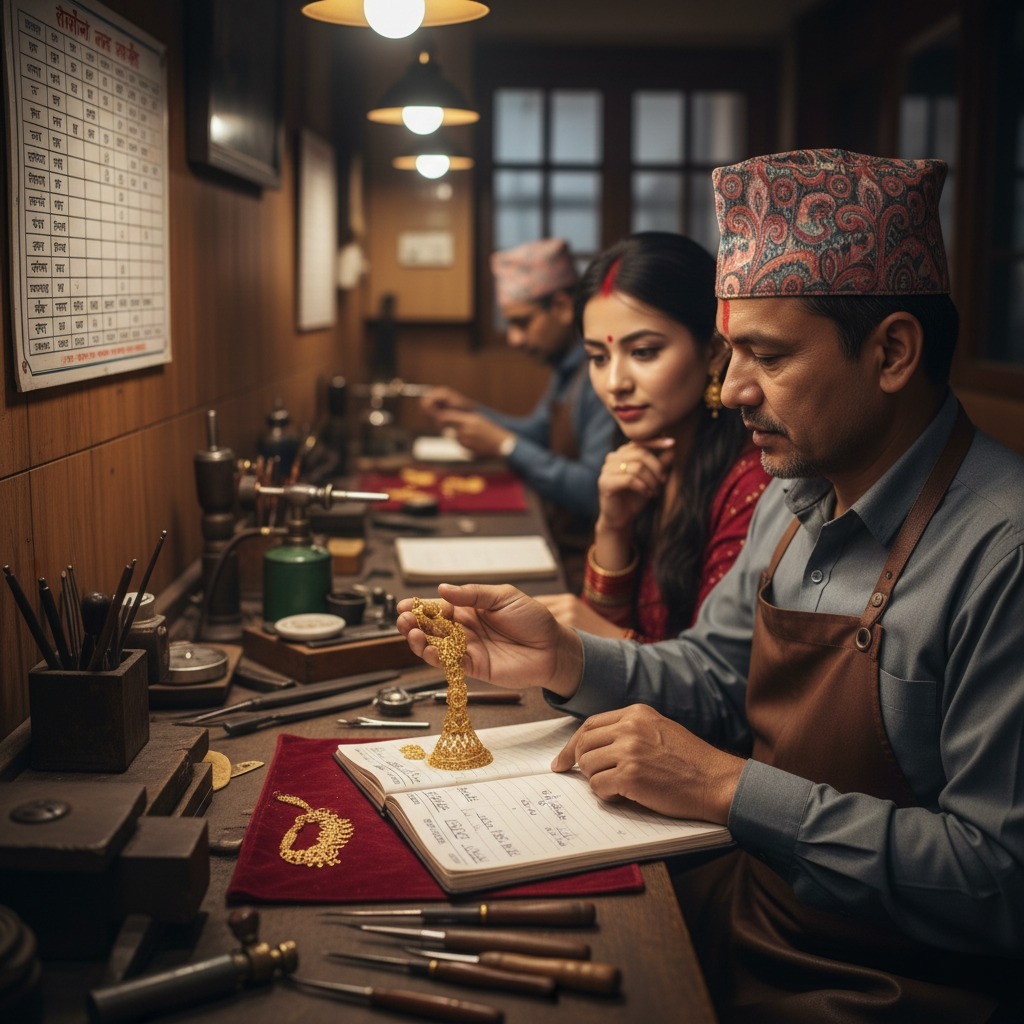
It is important to know what should not be negotiated. The gold rate itself should remain consistent across licensed jewelers and must be based on the official daily rate. Any seller offering a lower gold rate may be compromising on purity or weight. Instead, focus your discussion on making charges, wastage fees, or additional service costs. Refer to our detailed gold making charges to understand fair pricing.
Getting the best deal does not always mean choosing the lowest making charge. Higher-quality craftsmanship, better finishing, proper hallmarking, and strong buyback policies can justify slightly higher charges. Always balance cost with long-term resale value, purity assurance, and transparent documentation. Smart negotiation focuses on fairness, clarity, and overall value rather than price alone.
A buyback policy is a critical factor to consider when purchasing gold in Nepal, especially if you plan to resell or exchange it in the future. A clear and fair buyback policy ensures liquidity, protects your investment, and gives you confidence that your gold can be converted back into cash or new jewelry when needed.
Most licensed jewelers in Nepal offer buyback rates ranging from 80% to 95% of the current gold rate, depending on factors such as purity, condition, and whether the gold was originally purchased from the same jeweler. The buyback value is usually based on the official daily rate, such as the FENEGOSIDA gold price, at the time of resale.
It is important to understand that making charges are almost never refundable during buyback. Since making charges cover labor and craftsmanship, jewelers typically deduct this amount entirely. This is why gold jewelry should be purchased with both emotional value and long-term resale considerations in mind.
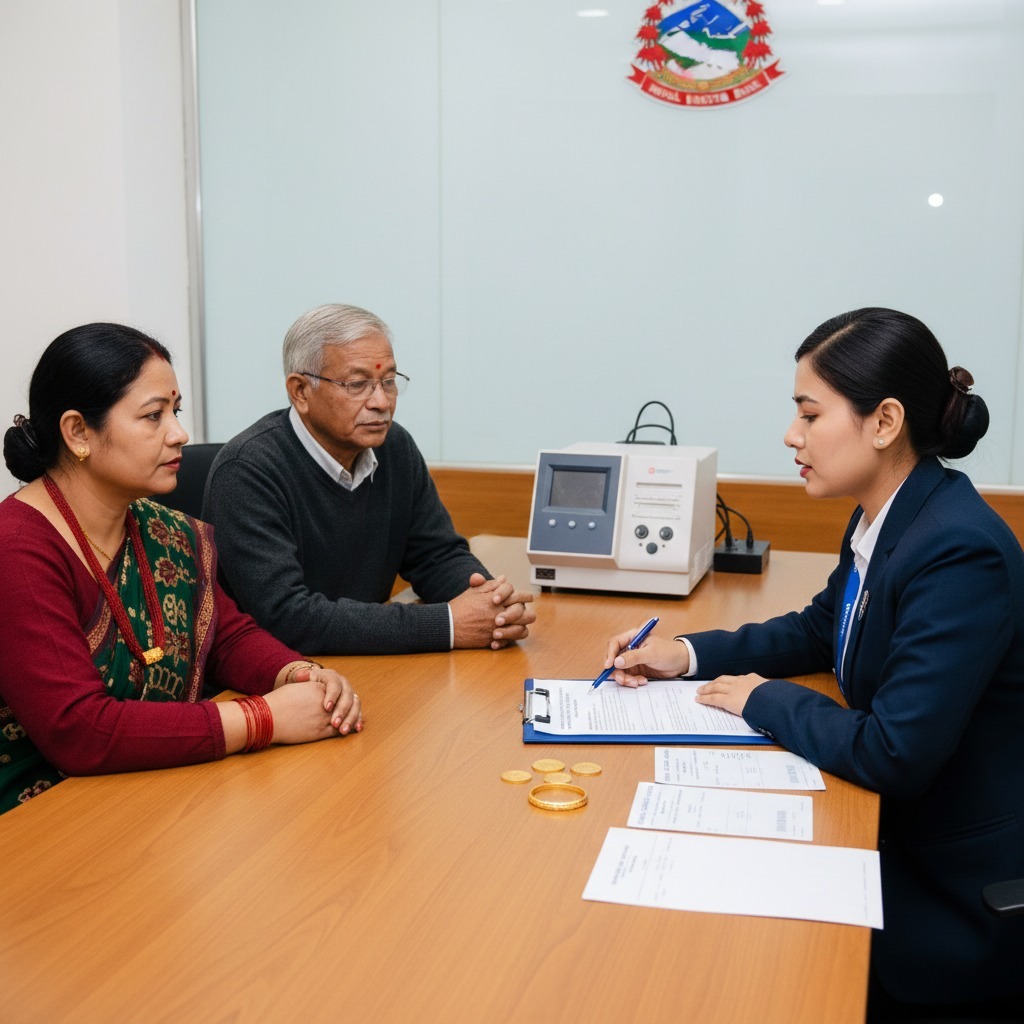
Buyback policies often come with specific conditions. Jewelers may require the original invoice, purity certificate, and intact hallmarking. Some policies apply only if the gold is resold to the same jeweler, while others may deduct additional fees for damaged or altered jewelry. Understanding these conditions in advance helps avoid disputes later.
Always ask for the buyback policy in writing and compare policies across multiple jewelers before making a purchase. A transparent policy with clear terms often indicates a trustworthy seller. Choosing a jeweler with a strong buyback policy may slightly increase the upfront cost but provides better long-term value and peace of mind.
The purpose of buying gold plays a major role in determining the right type, purity, and cost structure. For investment purposes, buyers should prioritize high purity gold such as 24K coins or bars and aim to minimize making charges. Lower additional costs ensure better returns when selling gold based on the prevailing gold rate in Nepal.
Jewelry buyers, on the other hand, need to balance purity with wearability and design. While higher purity gold is valuable, it is softer and less durable for daily wear. Documentation also differs, with investment gold requiring purity certificates and jewelry purchases needing detailed invoices and warranty cards. Choosing the right gold purity in Nepal based on lifestyle and usage ensures long-term satisfaction, better durability, and higher resale or exchange value.
Weddings are one of the most common reasons for buying gold in Nepal. Traditionally, 22K gold is preferred for wedding jewelry as it offers an ideal balance between purity, durability, and cultural acceptance. Wedding purchases are often made in bulk, which gives buyers stronger negotiation power on making charges.
Timing is crucial for wedding gold purchases. Prices and making charges often rise during peak wedding seasons due to high demand. Buyers who are price-sensitive should consider purchasing gold in advance, outside peak months, to benefit from lower premiums and better negotiation opportunities. Planning early also allows couples to compare gold rates in Nepal, secure preferred designs, and avoid last-minute price fluctuations at licensed jewelers.
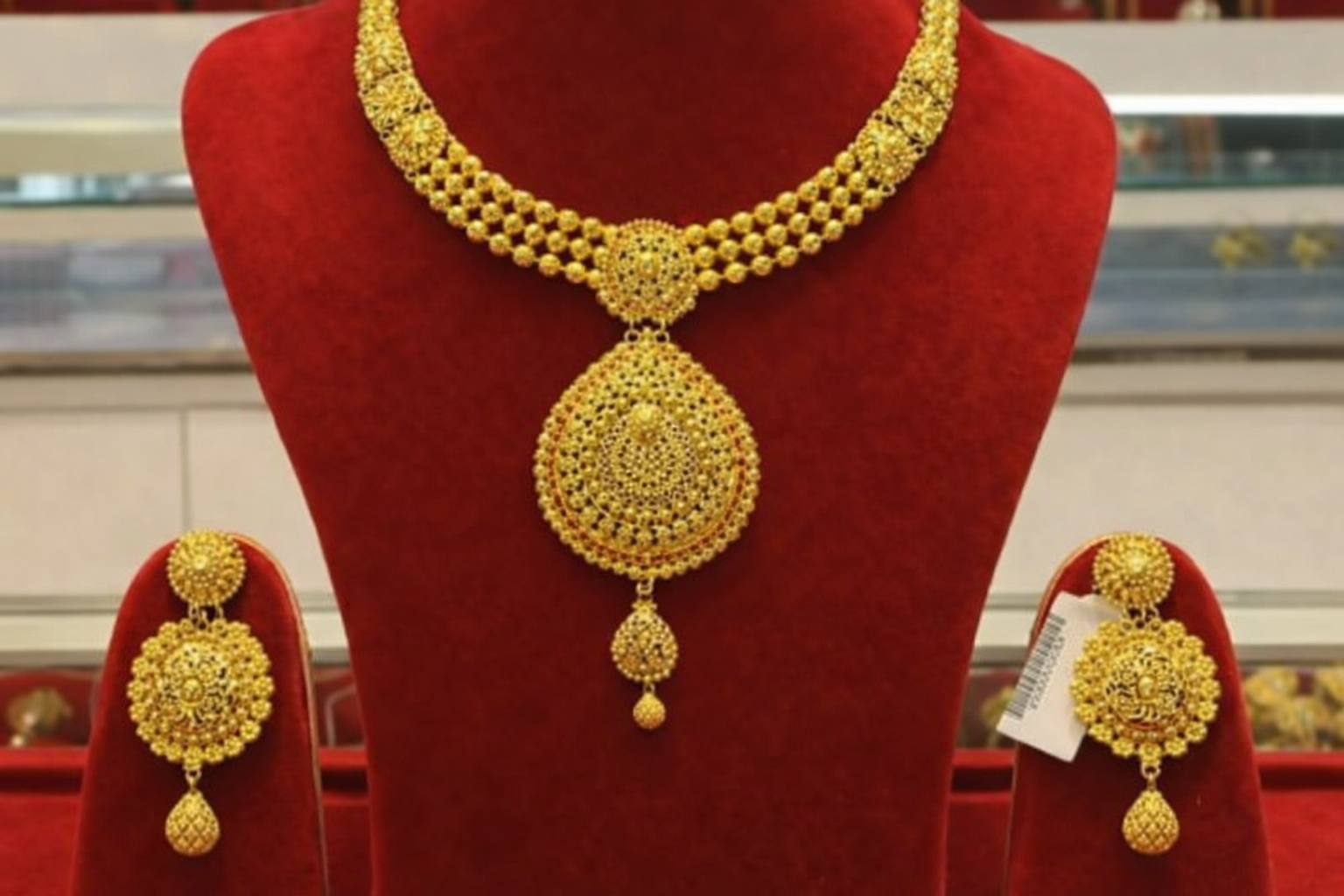
Festivals such as Dashain and Tihar hold strong cultural significance for buying gold, as it is considered auspicious and symbolic of prosperity. However, gold prices and making charges often carry a premium during festival periods due to increased demand. Buyers looking to purchase gold in Nepal during festivals should compare daily gold rates, plan in advance, and buy from licensed jewelers to avoid overpaying while maintaining cultural traditions.
Advance planning can help balance cultural sentiment with price optimization. Buying gold before festival demand peaks allows buyers to avoid inflated making charges while still honoring traditional practices. During festivals like Dashain and Tihar, gold demand rises sharply in Nepal, often driving up both gold rates and making charges. By purchasing early, buyers can secure fair pricing, access a wider variety of designs, and ensure availability at licensed jewelers.
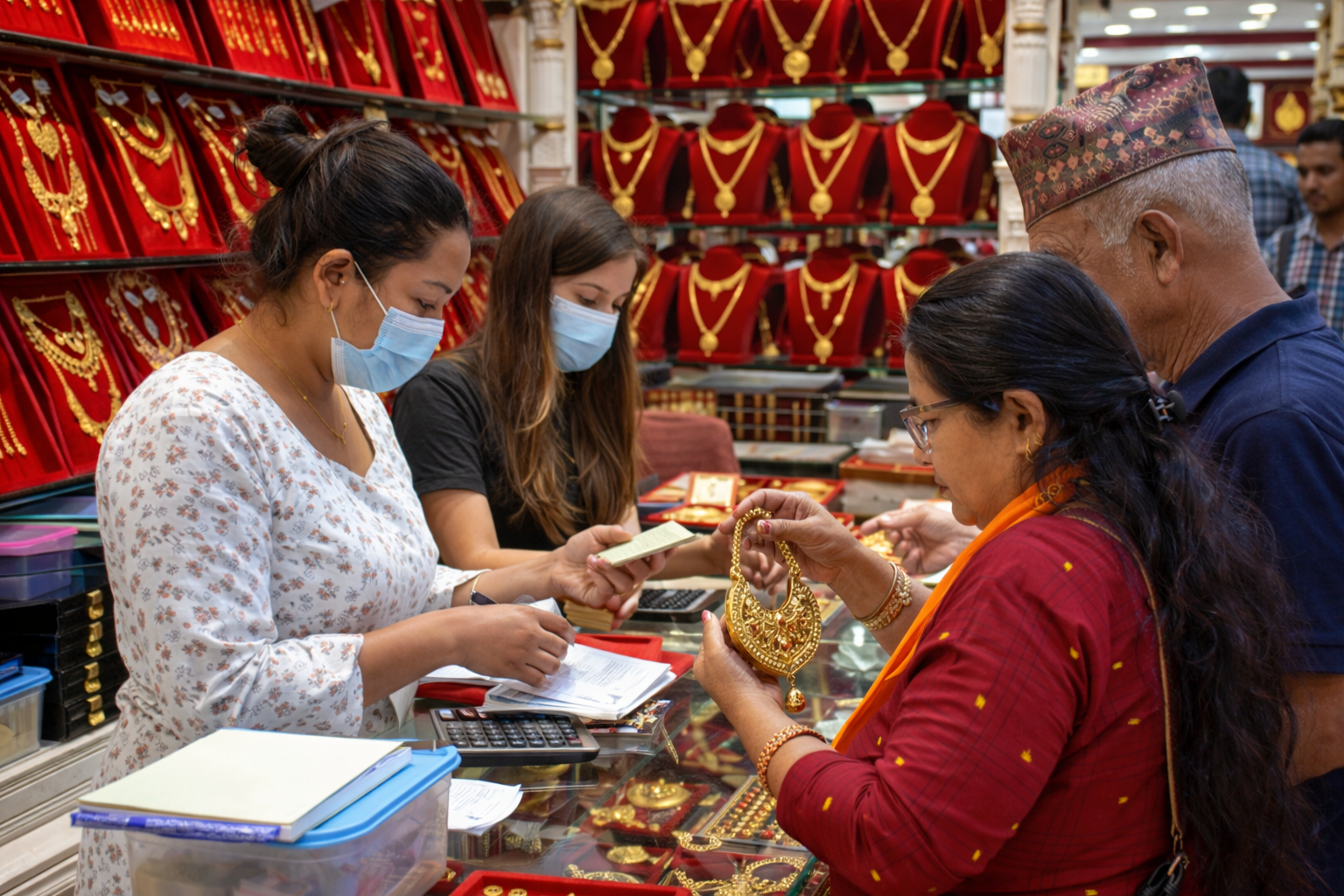
When buying gold as a gift, consider the recipient’s preferences, lifestyle, and age. Lightweight jewelry, coins, or simple designs are often preferred for gifting purposes. Presentation also matters, so ask about gift packaging options offered by the jeweler. Additionally, verify the purity certificate and hallmarks to ensure authenticity, especially for high-value gifts.
Exchange and return policies are especially important for gifts, as the recipient may wish to exchange the item later. Choosing a jeweler with flexible exchange terms ensures better long-term value and satisfaction for both the giver and the recipient. Always verify if the jeweler provides documented policies covering returns, exchanges, or buyback options for gifted items. Selecting a licensed jeweler in Nepal not only guarantees purity and authenticity but also offers peace of mind that the gift can be safely returned or exchanged if needed.
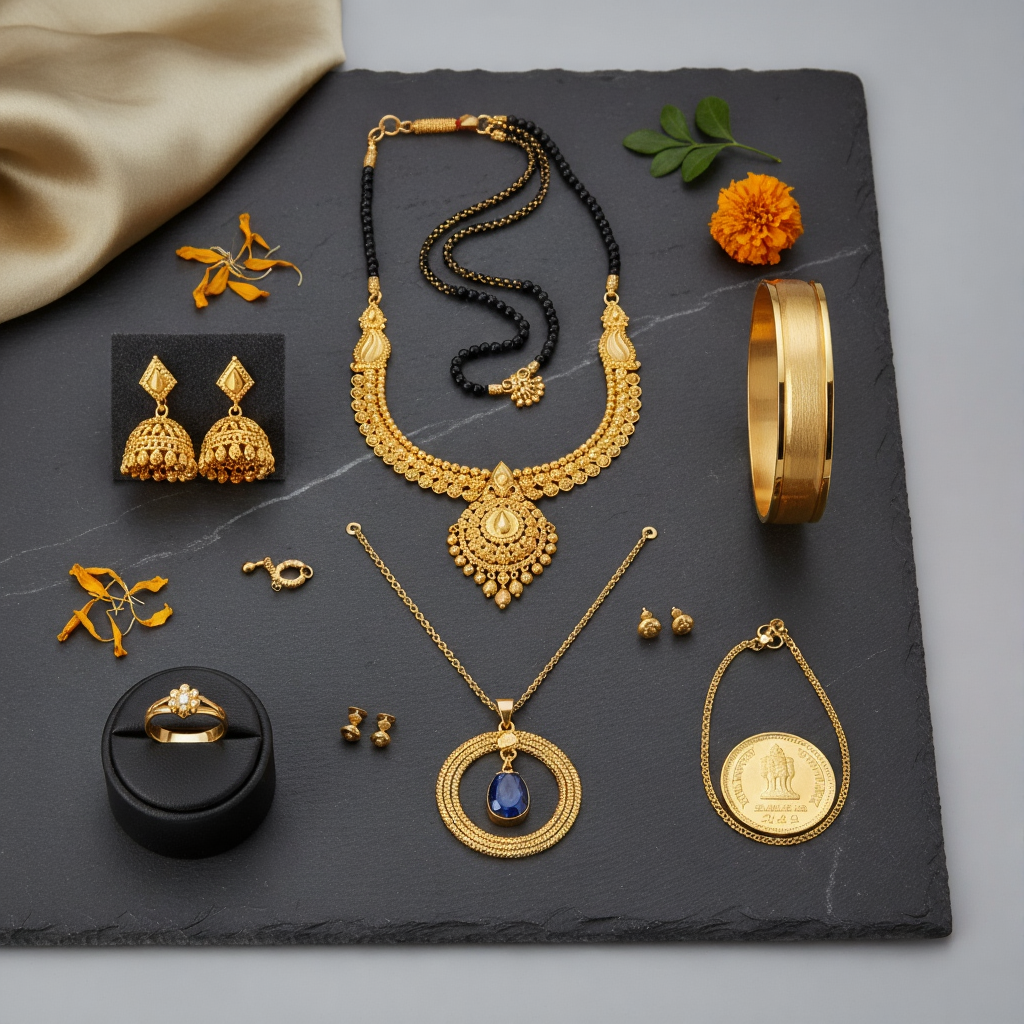
Understanding your consumer rights is essential when buying gold in Nepal. Gold is a high-value purchase, and proper legal protection ensures transparency, fair pricing, and accountability from sellers. Being aware of regulatory bodies and guidelines helps buyers avoid fraud, underweight items, and purity misrepresentation.
The Nepal Bureau of Standards and Metrology (NBSM) plays an important role in maintaining quality standards and measurement accuracy across industries, including precious metals. While hallmarking regulations are still evolving, jewelers are expected to follow standardized weighing practices and purity declarations. Buyers should always ask for clear purity information and accurate weight measurement.
In Nepal, daily gold pricing guidelines are issued by FENEGOSIDA, which sets the official gold rate followed by licensed jewelers nationwide. You can verify the correct rate using our gold price in Nepal today page to ensure you are not being overcharged. Licensed jewelers are expected to base their pricing on this official rate.
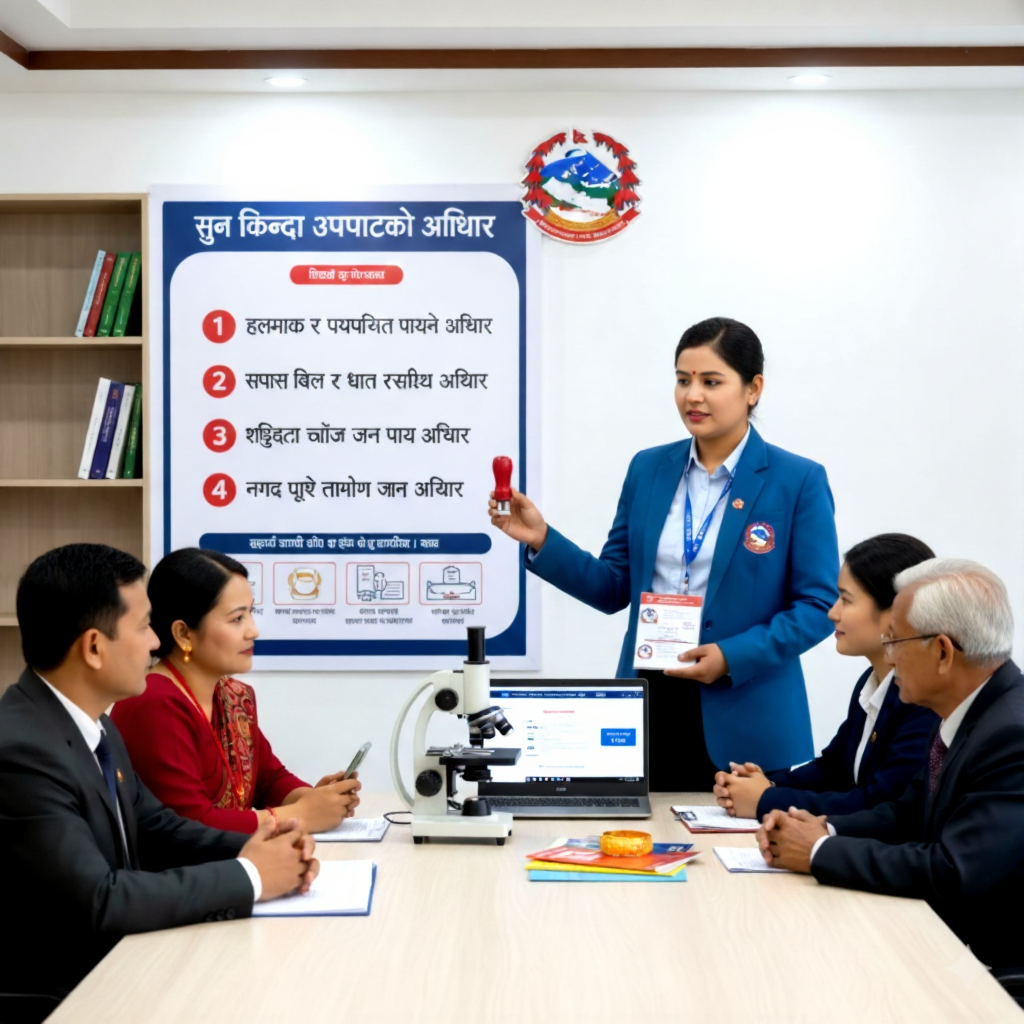
Nepal’s consumer protection laws give buyers the right to receive a proper tax invoice, accurate product information, and fair treatment. If a dispute arises, consumers can file complaints with the Department of Commerce, Supply and Consumer Protection or local consumer forums. Always retain invoices, certificates, and payment records, as these documents are crucial for lodging complaints.
For additional protection, consumers can contact relevant authorities such as the Department of Commerce or consumer helplines under the Ministry of Industry, Commerce, and Supplies. Buying gold only from licensed jewelers and keeping documentation secure are the strongest safeguards for protecting your rights and investment.